Ingegneria di Processo 2026

Process Engineering 2026, Automation and Digital Twin

The start of a new year represents a crucial moment for strategic planning and vision within the industrial sector. While the previous two years were characterized by experimentation, the evolution of Process Engineering in 2026 finally marks the transition to full digital maturity.

Today, the challenge is no longer simply to “digitize,” but to make innovation a structural and profitable asset. For ST2, guiding our partners means interpreting the new directions of Process Engineering that 2026 demands: systems that are not only efficient but intrinsically flexible and ready for change.

To discover our services, click here

The Pillars of Change for Process Engineering in 2026

To successfully navigate this landscape, we have identified three fundamental pillars that will characterize our Process Engineering projects throughout 2026.

1. Total Interoperability and O-PAS Standard

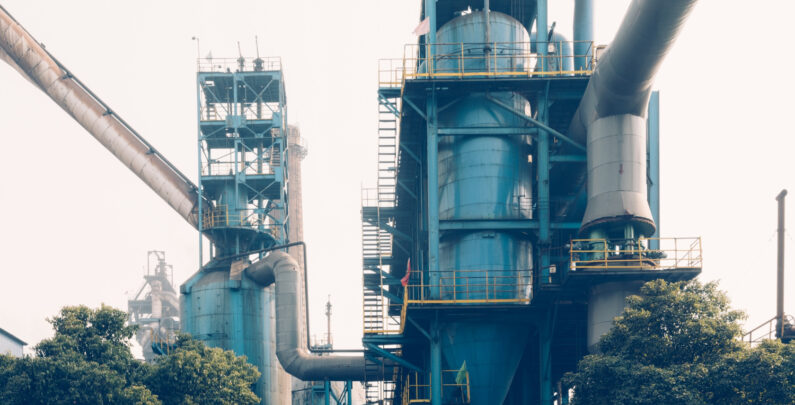
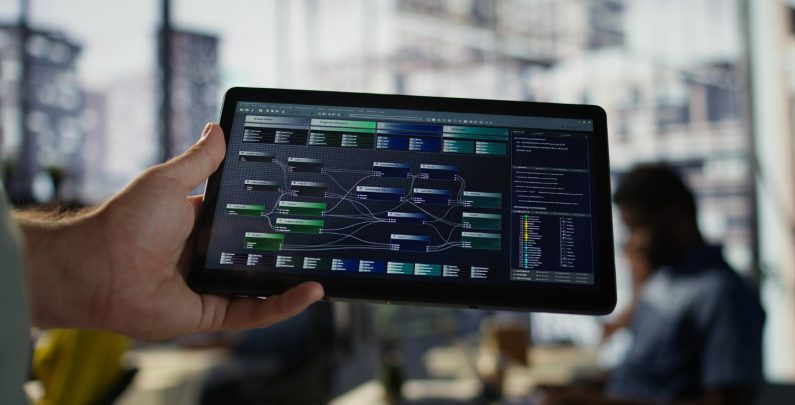
The era of closed systems and proprietary constraints has come to an end. One of the major breakthroughs in Process Engineering for 2026 is the accelerated adoption of the O-PAS (Open Process Automation Standard).

  • Beyond Lock-in: We support companies in adopting open architectures where hardware and software from different vendors communicate without barriers.
  • Continuous Evolution: This freedom translates into a drastic reduction in maintenance costs and unprecedented ease for future plant revamping.

2. Digital Twin: The Heart of Design

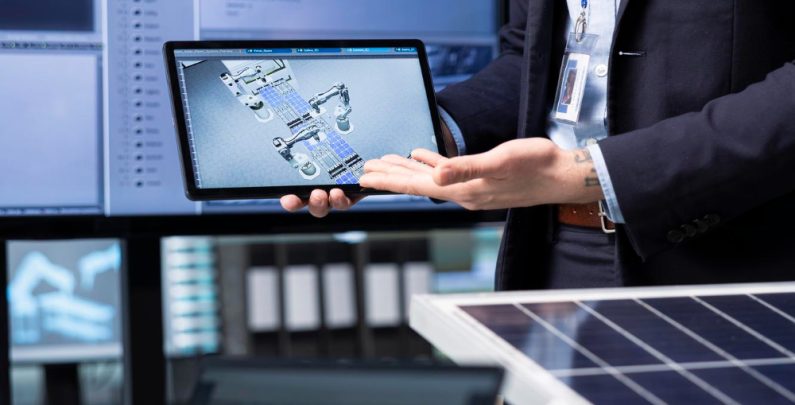
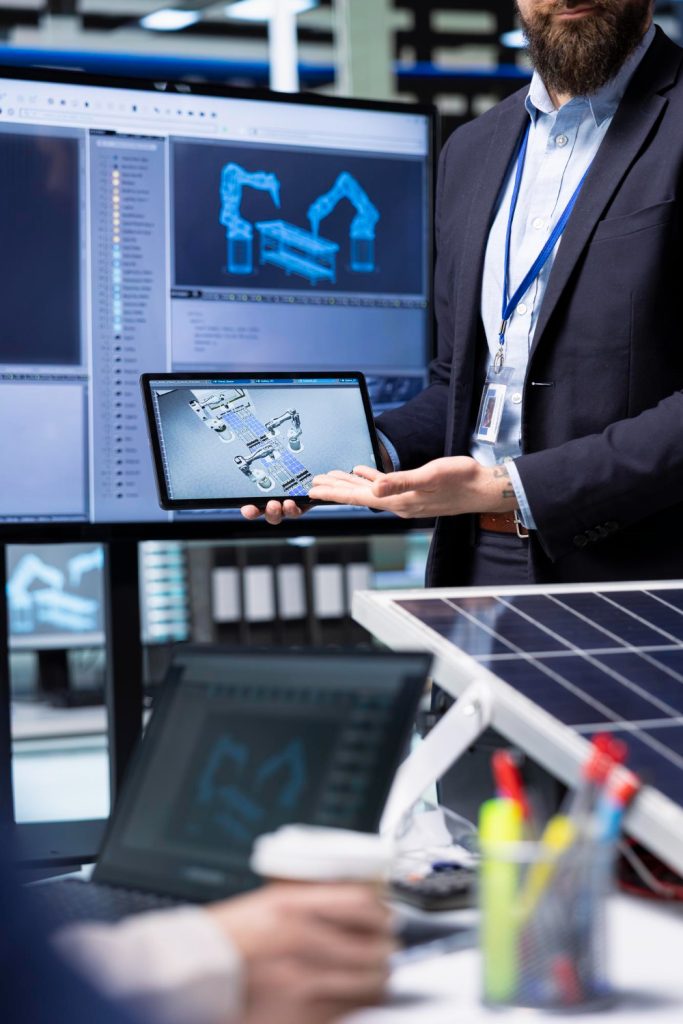
In the context of Process Engineering, 2026 sees the Digital Twin evolve from an “accessory” to the beating heart of the engineering phase.

  • Pre-Physical Simulation: We create exact digital replicas to simulate the behavior of pumps, valves, and dynamic flows long before the first component is installed.
  • Investment Optimization: Simulation allows for the reduction of CapEx risks and accelerates time-to-market, ensuring the real plant operates with maximum precision from day one.

3. Data-Driven Sustainability

Energy efficiency is no longer an abstract goal but a rigorous technical parameter. In contemporary Process Engineering, 2026 requires solutions capable of transforming data into sustainable actions.

Real-Time Monitoring: Through advanced control systems and IoT sensing, we optimize energy consumption and reduce the carbon footprint of plants, transforming environmental constraints into operational savings opportunities by turning raw data into real-time corrective actions.

ST2’s Mission: Merging Physics and Intelligence

At ST2, our goal for the year ahead is to consolidate the unbreakable bond between physical assets and control intelligence. Every Process Engineering solution we provide is designed to ensure the operational continuity of your business in an increasingly demanding global market.

We design the future of your production, making it secure, open, and resilient.

Contact us today!

READ MORE

Cyber-Physical Resilience: The Evolution of DCS/PLC Systems

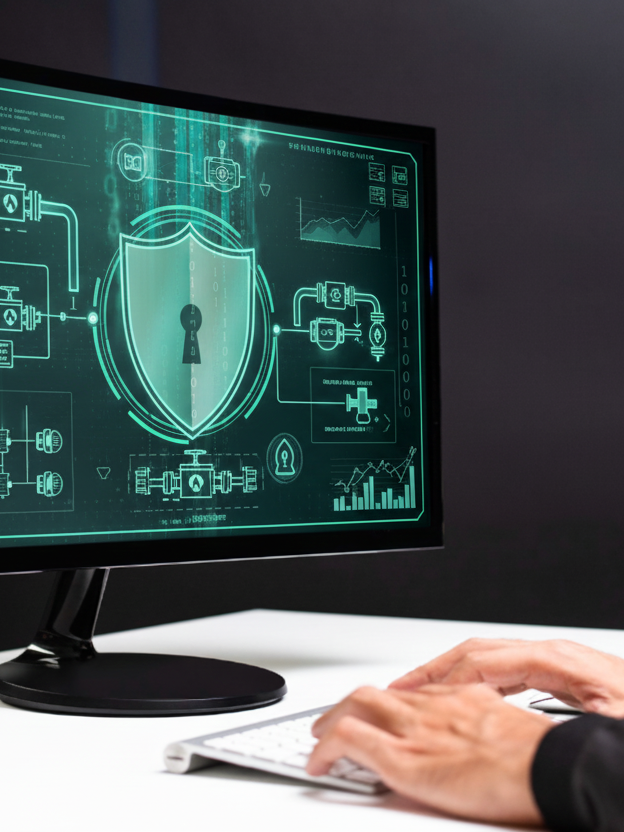
The convergence of Information Technology (IT) and Operational Technology (OT) has brought immense opportunities in terms of efficiency and predictive analytics, but it demands rigorous Cyber-Physical Resilience. This integration has introduced a critical threat: the potential for a cyber attack to translate directly into physical damage, process disruption, or, worse, a safety incident. For the Oil & Gas and Power industries, where Distributed Control Systems (DCS) and Programmable Logic Controllers (PLC) act as the plant’s “brain,” security is no longer an optional add-on—it is a fundamental design necessity.

At ST2 Srl, we define this necessity as Cyber-Physical Resilience. It is not just about installing firewalls; it is about engineering control systems to withstand, detect, and rapidly recover from any attack aimed at compromising physical and operational integrity.

To discover our services, click here

OT Risk Analysis: Why is Cyber-Physical Resilience Necessary?

While an IT attack primarily targets data theft or document destruction, an OT attack aims to manipulate or disable physical assets: valves, pumps, turbines, and Safety Instrumented Systems (SIS). The stakes are operational continuity and, above all, human and environmental safety.

Modern DCS/PLC systems are more open and interconnected than ever, exposing them to previously inaccessible attack vectors. To address this reality, a reactive approach based on software patching and perimeter defense is no longer sufficient. Cyber-Physical Resilience must be built-in.

Resilienza Cyber-Fisica

Pillars for Designing DCS/PLC Resilience (IEC 62443)

True cyber-physical defense begins long before the plant goes live. Our methodology is based on two fundamental pillars, in full compliance with the international ISA/IEC 62443 standard:

1. Security by Design

Every control system, whether a large-scale DCS for a power plant or a PLC for a remote E-House, must be designed under the assumption that it will be attacked.

  • Network Segmentation: We implement rigorous logical segmentation (Zones and Conduits) to isolate critical control networks from corporate IT levels.
  • Zero Trust / Least Privilege: We restrict access at the component level, ensuring only authorized users and processes can modify PLC/DCS logic.

2. Hardware Hardening and Certified Components

Resilience is rooted in hardware choice. We integrate modern DCS/PLC components that offer native security features:

po. L’investimento in un sistema di controllo deve essere visto come un investimento a lungo termine nella sicurezza. I sistemi devono essere intrinsecamente resilienti, capaci di continuare a operare in sicurezza anche dopo un tentativo di attacco, o di ripristinare le condizioni operative con il minimo downtime.

  • Authenticated Firmware: To prevent unauthorized code installation.
  • Encryption: To protect communication between controllers and workstations.
  • Advanced Logging: For early detection of anomalies and unauthorized access attempts.

The ST2 Multidisciplinary Advantage

OT cybersecurity is not an IT problem; it is an engineering problem. It requires a deep understanding of both communication networks and the physics of the process being controlled. Our multidisciplinary engineering team is able to:

  1. Interpret the Process: Identify which physical assets (valves, pumps) are high-risk targets.
  2. Design the Defense: Architect the electrical and network infrastructure (industrial firewalls, cabling, segmentation).
  3. Implement Controls: Program DCS/PLC logic to include robust security checks and failsafe mechanisms.
Resilienza Cyber-Fisica

Cyber-Physical Resilience is a prerequisite for operational survival. By partnering with ST2 Srl, you don’t just modernize your control systems—you fortify them against tomorrow’s threats, ensuring maximum continuity and asset protection.

Contact us today to build resilience into your plant!

Contattaci oggi stesso!

READ MORE
Team Ingegneria Multidisciplinare

The Multidisciplinary Engineering Team Behind Every ST2 E-House

The E-House is the technological heart of your plant: a complex system where power supply, control, and automation must operate in perfect synergy. Relying on different suppliers for each component increases risk and complexity. At ST2 Srl, we have chosen a strategic path: an internal, cohesive, and highly specialized Multidisciplinary Engineering Team. This is our strength—the guarantee that every E-House solution is not only functional but flawlessly integrated, secure, and future-ready.

To discover our services, click here

The Power of Integration: Why Single-Discipline Isn’t Enough

Building an E-House involves electrical, instrumental, and software engineering. Traditionally, this means coordinating external specialists, risking weak “interfaces”—junction points where errors, delays, and extra costs often arise.

The ST2 philosophy eliminates these criticalities. Our Multidisciplinary Engineering Team works side-by-side from the initial sketch. The electrical engineer dialogues with the PLC programmer, and the instrumentation specialist designs the communication protocols that the automation will utilize. The result? A final product that is safer, more efficient, and boasts a drastically reduced commissioning time.

Convergent Expertise for Your E-House

Our team integrates vital specializations:

  • Electrical Engineering: For stable, safe, and efficient power distribution, precisely sizing panels and protections.
  • Instrumental Engineering: For the selection and integration of sensors and actuators, ensuring accurate and reliable data.
  • Automation and Control: For developing PLC/SCADA logic and intuitive HMI interfaces that provide the “intelligence” of the E-House.
  • Functional Safety and Compliance: For integrating regulatory standards (SIL, ATEX) from the design phase, protecting both people and assets.
Team Ingegneria Multidisciplinare

Project Management: Your Single Point of Contact

Our Project Management is the “glue” that harmonizes these skills. You will have a single point of reference managing every phase, from internal design to rigorous Factory Acceptance Tests (FAT). This approach translates into:

  1. Zero Errors: Everything is pre-verified internally.
  2. Short Delivery Times: Optimized engineering processes.
  3. Lower TCO: Design for longevity and efficient maintenance.

Conclusion: Engineering the Future

At ST2 Srl, we don’t just offer a product; we provide a complete engineering solution. The strength of our Multidisciplinary Engineering Team ensures that your E-House is the safest, most efficient, and highest-performing solution on the market. From specifications to a fully functional cabin, we turn your requirements into operational excellence.

Contact us today to meet the team behind your next E-House project!

READ MORE
transizione energetica O&G

O&G Energy Transition, engineering & Automation Roles

The O&G Energy Transition is one of the greatest challenges and opportunities of our time. The global imperative to reduce carbon emissions and combat climate change is reshaping every aspect of the energy sector. At the center of this epochal shift lies the Oil & Gas industry—a pillar of the world economy that now stands at a crossroads: adapt or risk obsolescence. In this context, engineering and automation emerge as the fundamental driving forces to guide the conversion toward renewable sources and more sustainable processes.

To discover our services, click here

The Challenges of O&G Energy Transition: From Obstacles to Innovation

For decades, the O&G industry has perfected the extraction and processing of fossil fuels. The O&G Energy Transition requires more than just a change of course; it demands a radical transformation of infrastructure, skills, and business models. Key challenges include the need to reduce emissions (Scope 1, 2, and 3), intense regulatory pressure, and the adaptation of costly, complex assets. However, these challenges are also catalysts for unprecedented innovation.Le sfide della transizione energetica O&G, da ostacoli a motori di innovazione

transizione energetica O&G

The Role of Multidisciplinary Engineering in the New Scenario

Engineering is the heart of the response to these challenges. A multidisciplinary approach—combining mechanical, chemical, electrical, and civil expertise—is essential for the success of the O&G Energy Transition. Engineers are no longer just optimizing traditional processes; they are designing entirely new ones:

  • Carbon Capture, Utilization, and Storage (CCUS): Designing systems to capture, transport, and store CO2 produced by existing plants.
  • Hydrogen Engineering: Creating facilities for the production (Green and Blue Hydrogen), transport, and storage of hydrogen—the energy carrier of the future.
  • Asset Conversion: Reconfiguring refineries and plants for advanced biofuel production or integrating renewable power sources.

Automation: The Path to Efficiency and Sustainability

While engineering designs the “what,” automation handles the “how,” making processes more efficient, safe, and clean. Plant digitalization is the pillar of modernization:

  • Process Control: Advanced PLC and SCADA systems optimize energy consumption, product yield, and raw material use, reducing waste and emissions in real-time.
  • Predictive Maintenance: Data analysis supported by IoT predicts equipment failure before it occurs, ensuring maximum operational efficiency.
  • Safety: Automating high-risk processes protects personnel and prevents environmental incidents.

The Future is Already Here

The O&G Energy Transition is no longer a future concept; it is a reality in motion. O&G companies have a unique opportunity to reinvent themselves, using engineering and automation as strategic levers. Investing in these skills means more than just complying with new regulations—it means creating new business opportunities and securing a central role in tomorrow’s energy landscape.

Contact ST2 Srl today for professional support from the very start of your plant’s journey!

READ MORE
sistemi di controllo

Designing Modern Control Systems, integration for Industry 4.0

In the era of Industry 4.0, the design of industrial control systems requires an approach that integrates precision, safety, and interoperability. Companies operating in critical sectors such as Oil & Gas, Energy, and Water Treatment need advanced solutions to ensure operational efficiency and regulatory compliance.

segui il nostro blog!

Precision in Control Systems: The Heart of Automation

Modern Wellhead Control Panels (WHCP) are designed to monitor and manage critical valves, including SCSSV, Master, Wing, Choke, ESD, and HIPPS. Their ability to operate in extreme conditions—handling pressures up to 1,379 bar (20,000 PSI) and fluctuating temperatures—makes them indispensable for maintaining the safety and operational efficiency of high-pressure facilities.

Functional Safety to Protect People and Assets

Safety in Modern Control Systems is not just a matter of compliance; it is an operational imperative. Standards such as ISO 13849 and IEC 61508 provide the framework for designing and validating safety functions. Implementing systems with the appropriate Safety Integrity Levels (SIL) significantly reduces the risk of dangerous failures, protecting both personnel and infrastructure.

Integration and Interoperability: Toward a Connected Industry

The ability to integrate diverse systems and devices is essential for efficient plant management. Platforms like Ignition SCADA offer flexible solutions for supervision and control, supporting a wide range of communication protocols and facilitating real-time data access across the entire enterprise.

sistemi di controllo

Tailor-Made Control Systems for Every Need

Real-world applications demonstrate the effectiveness of integrated solutions. For instance, incorporating WHCPs into offshore platforms allows for precise control of safety valves even in the harshest environments. Similarly, adopting advanced SCADA systems in water treatment plants improves resource management and the speed of response to critical events.

Conclusion: Precision, Safety, and Integration

Designing Modern Control Systems requires a delicate balance between technical precision, functional safety, and system integration. By adopting advanced technologies and international standards, companies can meet the challenges of contemporary industry, enhancing operational efficiency while ensuring maximum safety.

Contact ST2 Srl today for more information on implementing advanced control solutions in your facilities!

READ MORE

Edge Computing revolutionises automation

In the world of industrial automation, the expansion of the IoT and the need for timely decisions are driving companies to seek increasingly innovative solutions. Edge computing, which allows data to be processed directly on site, is emerging as a key technology for reducing latency and improving the efficiency of production processes. In this article, we analyse how edge computing is revolutionising the industry, illustrating the benefits, challenges and best practices for its effective implementation.

follow the blog!

What is edge computing?

Edge computing is based on the concept of moving data processing from the cloud to devices located close to the data source. In practice, instead of sending all information to a remote data centre, smart devices process data on site, enabling near real-time decisions. This approach is particularly useful in industrial environments, where every millisecond counts to ensure smooth and safe operations.

Benefits of edge computing in industrial automation

Its adoption offers numerous advantages:

  • Reduced Latency: Local processing drastically reduces response times, enabling immediate interventions and more responsive operations.
  • Greater Data Security: Managing data on site limits the risk of interception and cyber attacks, improving the overall security of the system.
  • Operational Efficiency: Rapid access to information allows for the optimisation of production processes, reducing machine downtime and operating costs.
  • Scalability and Flexibility: Edge computing solutions easily adapt to the specific needs of the industrial environment, supporting modular expansion without compromising performance.

These benefits make edge computing an indispensable tool for those who want to digitally transform their industrial plant, ensuring a high level of competitiveness in the global market.

Challenges and best practices

Despite the advantages, adopting edge computing also presents challenges. Integration with legacy systems, security management, and the need for constant maintenance are obstacles that must be overcome. To implement effectively, companies should consider certain best practices:

  • Requirements Analysis: Carefully evaluate production processes to identify areas where local processing can offer concrete benefits.
  • Gradual Integration: Adopt a step-by-step approach, integrating in line with the evolution of existing technologies.
  • IT Security: Implement robust cybersecurity measures to protect locally processed data, ensuring operational continuity.
  • Constant Monitoring: Use analytics tools to monitor performance and identify any critical issues, enabling timely intervention.

Adopting these strategies not only facilitates the transition to a more advanced digital environment, but also ensures that investment in edge computing delivers tangible and lasting results.

The new standard for data processing

Edge computing represents the new standard for real-time data processing in industrial automation. With the ability to reduce latency, increase security and optimise production processes, this technology offers companies a competitive advantage in an ever-changing market. For ST2 S.r.l., embracing edge computing means investing in cutting-edge solutions that transform complexity into opportunities for growth and innovation.

Investing today is the key to operating efficiently and securely, preparing for tomorrow’s challenges.

READ MORE

Purchasing Requirements for Industrial Control Systems

In an increasingly technological and interconnected landscape, Industrial Control Systems (ICS) play a fundamental role in ensuring the efficiency, safety, and quality of operations. These systems, ranging from basic automation to complex process management, require the careful selection of components to ensure optimal performance and operational continuity. The procurement phase for control systems must be guided by technical, economic, and safety requirements that satisfy both specific production needs and industry regulations.

To discover our services, click here

Reliability and Operational Continuity

Industrial plants cannot afford unplanned downtime. Therefore, the primary requirement for purchasing Industrial Control Systems is reliability. The system must guarantee continuous operation with rapid response times and self-diagnostic capabilities. Components must be selected for their robustness and resistance to specific site conditions, such as extreme temperatures, humidity, and vibrations.

Compatibility and System Integration

The purchased system must be compatible with existing infrastructure. This includes the ability to integrate seamlessly with other automation systems, data acquisition devices, and production management software. Choosing a modular and scalable solution allows for future expansions without compromising interoperability. Compatibility should be evaluated based on communication protocols (e.g., Modbus, Profibus, or PROFINET) and interface software.

Scalabilità e flessibilità

La capacità di scalare un sistema di controllo è cruciale per l’adattabilità di un impianto industriale alle nuove esigenze. Un impianto può crescere o subire modifiche nel corso del tempo, quindi il sistema di controllo deve essere in grado di adattarsi facilmente a nuove funzionalità o alla gestione di un numero maggiore di dispositivi. Questo implica che il sistema debba essere progettato con un’architettura modulare che permetta di aggiungere o rimuovere facilmente componenti in funzione delle necessità.

Inoltre, la flessibilità del sistema permette di rispondere tempestivamente a variazioni di processo o a richieste specifiche del cliente, come la personalizzazione di cicli di lavoro o la gestione di scenari produttivi particolari.

Sicurezza e conformità alle normative

La sicurezza dei sistemi di controllo industriali è un aspetto cruciale. Non solo è necessario garantire la sicurezza fisica dell’impianto e degli operatori, ma anche la protezione contro i rischi legati alla cyber-sicurezza. I sistemi di controllo devono essere protetti da attacchi informatici, che potrebbero compromettere l’integrità dell’impianto e causare danni economici e ambientali.

Inoltre, i sistemi devono essere conformi alle normative locali e internazionali riguardanti la sicurezza sul lavoro, l’efficienza energetica, e l’impatto ambientale. Ad esempio, la conformità agli standard ISO, IEC e agli specifici requisiti normativi di settore (come la norma IEC 61508 per la sicurezza funzionale) è fondamentale per garantire che il sistema sia sicuro e operi in conformità con le leggi.

Prestazioni e precisione

Un sistema di controllo deve garantire prestazioni elevate e la massima precisione nel monitoraggio e nella regolazione dei parametri di processo. La velocità di acquisizione dei dati, la risposta alle variazioni di processo e la capacità di ottimizzare i consumi energetici sono tutti aspetti da considerare. Inoltre, il sistema dovrebbe essere in grado di gestire processi complessi e multivario con elevata accuratezza, anche in presenza di segnali distorti o in condizioni operative difficili.

L’adozione di tecnologie avanzate, come l’intelligenza artificiale e il machine learning, può ulteriormente ottimizzare le prestazioni, migliorando la capacità di predire guasti e ottimizzare i parametri operativi in tempo reale.

Supporto e manutenzione

La manutenzione è un aspetto chiave per garantire la longevità di un sistema di controllo. La disponibilità di ricambi, il supporto tecnico qualificato e la facilità di eseguire operazioni di manutenzione ordinaria e straordinaria sono determinanti nella scelta di un fornitore. I sistemi di controllo moderni devono essere dotati di diagnostica avanzata per facilitare l’individuazione e la risoluzione dei problemi.

Inoltre, l’acquisto dovrebbe comprendere un piano di manutenzione preventiva che permetta di monitorare e gestire la salute del sistema nel lungo periodo.

Costi e budget

Infine, i costi associati all’acquisto di un sistema di controllo devono essere valutati in modo oculato. Sebbene l’acquisto iniziale possa rappresentare un investimento significativo, è importante considerare anche i costi operativi a lungo termine, tra cui quelli di manutenzione, aggiornamento, e supporto tecnico. Un sistema che offre alta affidabilità e basso costo di gestione può essere più vantaggioso nel lungo periodo rispetto a soluzioni più economiche ma meno performanti.

Inoltre, la scelta di un fornitore che garantisca un buon rapporto qualità-prezzo e che offra opzioni di supporto e formazione può influenzare positivamente l’efficienza operativa e la gestione dei costi complessivi.

Conclusioni

L’acquisto di un sistema di controllo per impianti industriali è una decisione strategica che deve considerare una serie di fattori critici per assicurare il successo dell’operazione. Affidabilità, compatibilità, scalabilità, sicurezza, prestazioni e supporto sono solo alcuni degli aspetti che dovrebbero guidare la scelta del sistema. Solo un’attenta valutazione di questi requisiti permetterà alle imprese di fare un investimento che possa ottimizzare le operazioni, ridurre i rischi e migliorare la competitività nel lungo periodo.

Reliability and Operational Continuity

Industrial plants cannot afford unplanned downtime. Therefore, the primary requirement for purchasing Industrial Control Systems is reliability. The system must guarantee continuous operation with rapid response times and self-diagnostic capabilities. Components must be selected for their robustness and resistance to specific site conditions, such as extreme temperatures, humidity, and vibrations.

Compatibility and System Integration

The purchased system must be compatible with existing infrastructure. This includes the ability to integrate seamlessly with other automation systems, data acquisition devices, and production management software. Choosing a modular and scalable solution allows for future expansions without compromising interoperability. Compatibility should be evaluated based on communication protocols (e.g., Modbus, Profibus, or PROFINET) and interface software.

Scalability and Flexibility

A control system’s ability to scale is crucial for the adaptability of industrial plants. As a plant grows or undergoes modifications, the control architecture must easily adapt to new functionalities or a higher number of managed devices. A modular design allows for the effortless addition or removal of components according to production demands.

Safety and Regulatory Compliance

The safety of Industrial Control Systems is a critical aspect. It is essential to ensure both the physical safety of operators and protection against cyber-threats. Systems must be shielded from cyber-attacks that could compromise plant integrity. Furthermore, compliance with international standards such as ISO, IEC (e.g., IEC 61508 for functional safety), and local safety-at-work regulations is mandatory to ensure legal and operational security.

Performance and Precision

A high-performance control system ensures maximum precision in monitoring and regulating process parameters. Key factors include data acquisition speed, response to process variations, and the ability to optimize energy consumption. The integration of AI and Machine Learning can further enhance performance by improving predictive maintenance and real-time parameter optimization.

Support and Maintenance

Maintenance is key to ensuring the longevity of Industrial Control Systems. When selecting a provider, the availability of spare parts, qualified technical support, and ease of maintenance are decisive factors. Modern systems should feature advanced diagnostics to facilitate rapid problem-solving.

Costs and Budgeting

While the initial purchase is a significant investment, long-term operational costs (OPEX)—including maintenance, updates, and technical support—must be carefully evaluated. A system that offers high reliability and low management costs often proves more cost-effective over its lifecycle than cheaper, lower-performing alternatives.

Strategic decision

Purchasing Industrial Control Systems is a strategic decision that influences the long-term success of an industrial facility. Reliability, compatibility, scalability, and safety are the pillars that should guide this choice. Only a thorough evaluation of these requirements allows companies to make an investment that optimizes operations, reduces risks, and improves global competitiveness.

Contact us today to define the technical requirements for your next control system!

READ MORE

Excellence in Industrial Automation: Driving the Future of Production

Industrial Automation is one of the primary forces behind the technological evolution and production efficiency of modern industry. In an increasingly globalized and competitive world, excellence in automation is no longer an option but a necessity for companies aiming to remain competitive, reduce costs, and enhance product quality. This sector—which encompasses advanced technologies like robotics, Artificial Intelligence (AI), the Internet of Things (IoT), and Big Data—is redefining the boundaries of production and corporate management.

The Role of Automation in Industrial Competitiveness

In today’s industrial landscape, automation is the engine fueling competitiveness. The ability to automate production processes allows companies to gain significant advantages in speed, quality, and cost-efficiency. Automated systems can operate 24/7 without interruption, reducing the risk of human error and ensuring constant precision.

Beyond simple repetitive tasks, Industrial Automation involves the intelligent management of workflows, coordination between production lines, and resource optimization. In a context of shorter production cycles and tighter margins, automation excellence is the key to maintaining high quality while lowering operational costs.

Core Technologies of Excellence

Achieving excellence in Industrial Automation requires the integration of advanced technologies that improve efficiency, safety, and sustainability:

  • Industrial Robotics: From welding and painting to assembly and quality control. Collaborative robots (cobots) work alongside humans, increasing efficiency without compromising safety.
  • Internet of Things (IoT): Real-time connection of devices and sensors allows for continuous monitoring and the detection of anomalies before they become critical issues. This is the foundation of predictive maintenance.
  • Artificial Intelligence (AI) and Machine Learning: These solutions optimize production through predictive analysis. Intelligent systems can analyze data to optimize operation sequences and reduce downtime.
  • Big Data Analytics: The vast amount of data generated by smart machines enables more informed decision-making and waste reduction.
Automazioni Industriali

Sustainability through Automation

Industrial Automation is also a powerful tool for environmental sustainability. It allows companies to reduce resource consumption and optimize energy use. Through intelligent energy management, companies can monitor consumption in real-time and implement efficiency strategies, such as auto-adjusting processes based on demand. Furthermore, automation promotes the production of higher-quality, more durable goods, contributing to a reduction in industrial waste cycles.

The Challenge of Training and Organizational Adaptation

To reach peak excellence, implementing technology isn’t enough; companies must invest in people. Digital skills and innovation must become integral to employee training, with a focus on managing automated systems. Automation also requires a rethink of organizational models to maintain a balance between technological innovation and the value of human capital.

New Frontiers: The Smart Factory

The future of Industrial Automation points toward the “Smart Factory,” where every machine, sensor, and device is interconnected. Technologies like 5G and cloud platforms will enable even more flexible production environments, capable of adapting in real-time to demand fluctuations or unforeseen events.

The result of integrating advanced technology

Excellence in Industrial Automation is the result of integrating advanced technology, continuous training, and a long-term vision centered on quality and sustainability. Companies that invest in automation with an innovative mindset will lead the future of the industrial sector, transforming efficiency into a true competitive engine.

Contact us today to achieve excellence in your production processes!

READ MORE

Innovation in the Oil and Gas Transportation System

The energy sector, particularly oil and gas, is undergoing a profound transformation driven by an increasing need for efficiency, safety, and sustainability. Technological innovations are reshaping how energy resources are extracted, transported, and distributed. In particular, the Oil and Gas Transportation System represents one of the industry’s most complex challenges, given the need to manage high volumes across vast distances, often through harsh and hazardous environments. Fortunately, new technologies are significantly improving the safety, reliability, and efficiency of these transport networks.

Automation and Digitalization, the Future of Transport

Automation is playing a fundamental role in improving operational efficiency. Technologies such as remote monitoring systems and smart sensors have become the standard for real-time data analysis. Companies can continuously monitor pipeline conditions, drastically reducing risks associated with leaks or malfunctions.

Furthermore, Artificial Intelligence (IA) and Big Data analytics are being used to predict failures and optimize fuel flow. AI can process vast amounts of data from sensors and surveillance systems to detect anomalies before they escalate into real problems.

Real-Time Monitoring and Leak Detection

One of the most significant innovations involves “smart pipelines” equipped with advanced sensors for leak detection and structural analysis. These sensors, integrated directly into the infrastructure, use the Internet of Things (IoT) to transmit real-time data to centralized control centers. This allows companies to perform preventive maintenance, reducing environmental risks and extending the lifespan of the infrastructure.

Maritime Transport, safer and Sustainable Shipping

Oil tankers and gas carriers are increasingly equipped with advanced navigation systems, such as radar and obstacle detection sensors, alongside emission monitoring solutions. Innovations in propulsion are also reducing environmental impact: the shift to cleaner fuels like LNG (Liquefied Natural Gas) and the adoption of carbon capture technologies are key examples. Additionally, the use of hybrid engines and electric propulsion for smaller vessels is gaining ground.

segui il nostro blog!

Transport in Extreme Conditions: Challenges and Solutions

Evolution in the Oil and Gas Transportation System also concerns efficiency in extreme environments, such as Arctic regions or deep waters. To face these technical challenges, more resilient materials and high-performance insulation systems have been developed. For offshore platforms, the use of underwater drones and autonomous vehicles (AUVs) for monitoring and maintenance is increasing safety by reducing risks for human operators.

sistema di trasporto

Blockchain for Supply Chain Management

Blockchain technology is finding applications in ensuring the traceability of goods along the supply chain. It allows real-time monitoring of every stage of the transport process, from departure to destination, ensuring transparency and reducing the risk of fraud or errors in shipping documentation.

Sustainability and Environmental Impact

Beyond adopting greener ships, there is a concerted effort to develop transport systems that minimize the risk of spills. Technologies for water and hydrocarbon recovery, combined with the use of eco-friendly materials for infrastructure, are significant steps toward a more sustainable future.

Conclusion

The Oil and Gas Transportation System is experiencing accelerated transformation. Automation, real-time monitoring, blockchain, and sustainable solutions are improving safety and transparency. As global energy demand grows, these technological innovations will provide new opportunities to reduce environmental impact and increase infrastructure resilience.

Contact us today to discover how we can innovate your transportation infrastructure!

READ MORE
industrial automation

The evolution of industrial automation, from past to future

Industrial automation has revolutionized the way we produce goods and manage manufacturing operations. From its humble beginnings in the nineteenth century, when steam-powered machines began to replace human labor in factories, to today’s advanced systems based on Artificial Intelligence and the Internet of Things (IoT), industrial automation has constantly improved efficiency, precision and safety in industrial operations.

The origins of industrial automation

Industrial automation has its roots in the early industrial revolutions. In the 19th century, the invention of machines such as the mechanical loom and the steam engine led to the mechanization of factories, reducing dependence on manual labor and increasing production. However, it was only with the passage of time that more sophisticated technologies for automating industrial processes developed.

industrial automation

The role of electronics and PLCs

Towards the mid-20th century, the advent of electronics led to a further evolution of industrial automation. The first programmable logic controllers (PLCs) began to replace electromechanical relays, offering greater flexibility and programmability in industrial processes. PLCs made it possible to automate complex tasks and centralize the management of control systems.

The programmable automation revolution

In the 1970s and 1980s, with the introduction of computers and numerical control (CNC) systems, programmable automation experienced a real revolution. These systems made it possible to program machines in detail to perform precise and complex operations, from assembly to material processing. This led to a significant increase in productivity and product quality.

Artificial intelligence and predictive automation

Today, industrial automation is entering a new era with the increasingly widespread adoption of Artificial Intelligence (AI) and Predictive Automation. AI-based systems can analyze enormous amounts of data in real time to optimize production processes, predict machine failures and improve preventive maintenance. This leads to greater operational efficiency, reducing downtime and maintenance costs.

you can find more information about us by clicking here

The Internet of Things (IoT) and global connection

Furthermore, the Internet of Things (IoT) is transforming industrial automation by allowing the connection of machinery, sensors and smart devices in a global network. This interconnection allows remote monitoring and control of equipment, real-time data collection and process optimization more efficiently and accurately than ever before.

Social and economic implications

Despite the numerous advantages of industrial automation, there are also social and economic implications to consider. Automation can lead to job losses in the short term, but it can also create new specialized employment opportunities in the long term. It is therefore essential to adopt policies that favor the retraining of the workforce and promote technological innovation in an equitable and sustainable way.

The future of industrial automation

The future of the industry looks exciting, with the increasing adoption of technologies such as AI, IoT and collaborative robotics. These innovations promise to make factories even more efficient, flexible and intelligent, allowing large-scale production that is customized and adaptable to market needs. However, for this future to be fully realized, it is essential to address the challenges related to safety, data privacy and the environmental impact of industrial automation.


In conclusion, industrial automation has undergone an extraordinary evolutionary journey, radically transforming the way we produce goods and manage manufacturing operations. With the advent of increasingly advanced technologies, the future of the industry promises to be full of possibilities and promises, with the potential to further improve the efficiency, quality and sustainability of industrial production.

Blog

READ MORE