Costo Totale di Possesso

Total Cost of Ownership (TCO): The Key to Winning Industrial Tenders

In the Oil & Gas and Energy industries, the era when tenders were won solely by offering the lowest list price is over. Today, clients seek partners who do not just deliver a plant, but who guarantee the efficiency and sustainability of operations throughout the entire asset lifecycle. The metric that has revolutionized this paradigm is the Total Cost of Ownership (TCO).

Understanding and demonstrating the ability to reduce the Total Cost of Ownership (TCO) is the secret weapon for securing strategic contracts. It is no longer just about how much it costs to build, but how much it will cost to manage the plant over the next 20 years.

To discover our services, click here

Beyond the Initial Price: Defining Industrial TCO

The Total Cost of Ownership (TCO) is the sum of all costs incurred for an asset, from purchase to decommissioning. For an electrical and instrumental plant, TCO consists of four main components:

  1. Initial Cost (CapEx): Engineering, procurement, and installation.
  2. Operating Costs (OpEx): Energy consumption and personnel.
  3. Maintenance Costs: Repairs, spare parts, and downtime.
  4. Risk Costs: Accidents and regulatory non-compliance.

In the Energy and Oil & Gas sectors, the real economic impact lies in the long term: one hour of plant downtime can cost hundreds of thousands of dollars. Therefore, a design aimed at minimizing TCO is a superior value proposition compared to a simple saving on component purchases.

Strategic Engineering Reduces TCO from the Design Phase

ST2’s expertise lies in making electrical and instrumental design an active driver in reducing the Total Cost of Ownership (TCO).

1. Electrical Optimization for Energy Efficiency

Technical choices made during the study phase have repercussions on energy consumption. Through multidisciplinary engineering, we select high-efficiency components, such as Variable Frequency Drives (VFDs) and premium efficiency motors, which significantly reduce long-term operating costs. These interventions, while potentially increasing the initial cost slightly, guarantee a rapid ROI and a significantly lower TCO.

2. Instrumentation for Reliability

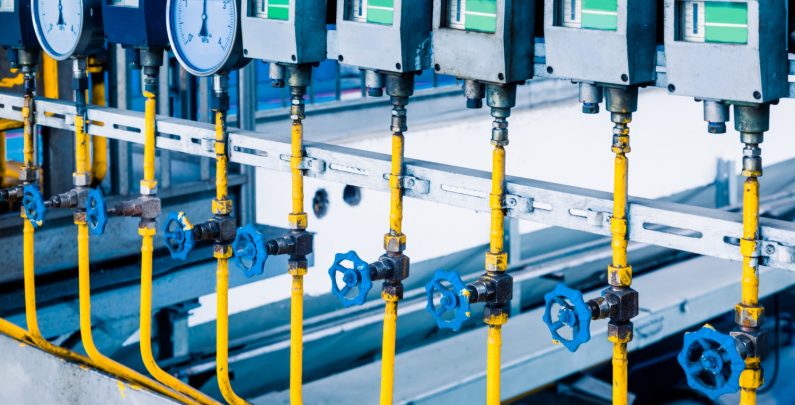
Instrumentation is the backbone of process control. We choose only robust, long-lasting measuring instruments (pressure, temperature, flow sensors) that require less frequent calibration and maintenance. Fewer interventions = lower maintenance costs and, above all, less risk of failure and unexpected interruptions.

Costo Totale di Possesso

Automation and Predictivity: The Heart of Optimized TCO

The real revolution in reducing Total Cost of Ownership (TCO) comes from the integration of advanced automation systems:

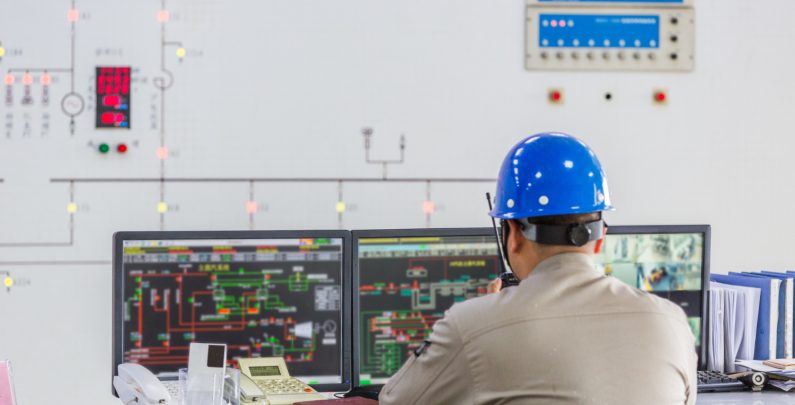
  • Predictive Maintenance: Integrating smart sensors and SCADA/PLC systems from the design phase enables predictive maintenance. This eliminates costly surprise breakdowns—the number one enemy of TCO—transforming emergency repairs into planned, cost-effective interventions.
  • Risk Mitigation: Control systems and instrumentation designed for maximum safety reduce operational risks and the insurance costs associated with potential accidents.

By presenting a bid that not only lists material costs but also quantifies expected savings in terms of energy and maintenance through these automation solutions, we provide the client with a complete and winning financial perspective.

Conclusion

Today, Total Cost of Ownership (TCO) is the language of excellence. Companies that, like ST2, can translate their engineering and automation expertise into lower operational risk and higher long-term efficiency are destined not only to win tenders but to become strategic partners for the future of energy.

Contact us today to optimize the TCO of your next industrial project!
READ MORE

Maintenance Data Analysis, the Key to a Proactive Industry

Imagine an industrial plant: everything is running perfectly, then suddenly, an unexpected failure halts production. This is the reactive maintenance model—a traditional approach where action is taken only after the damage is done. Today, however, modern industry is moving toward a smarter, more advantageous alternative: predictive maintenance. This approach relies on Maintenance Data Analysis to prevent failures before they occur.

In this article, we compare these two approaches, revealing why investing in monitoring and analysis technologies is the most strategic choice for long-term success.

segui il nostro blog!

Unforeseen Costs and Downtime

Reactive maintenance is the “fix it when it breaks” philosophy. While it may seem simple and low-cost initially, it hides significant pitfalls. A sudden failure causes unplanned production downtime, leading to supply chain disruptions, lost revenue, and often, high costs for emergency repairs. This model is inefficient, unpredictable, and can even pose risks to worker safety. It is not about managing a process; it is about constantly chasing problems.

The Rise of Predictive Maintenance, from Cost to Investment

Predictive maintenance represents an evolutionary leap. Instead of waiting for a breakdown, this approach is based on the continuous monitoring of equipment conditions. Through the use of sensors, IoT (Internet of Things) devices, and advanced analysis software, real-time data is collected on key parameters such as vibration, temperature, pressure, and energy consumption.

By utilizing Maintenance Data Analysis, early signs of wear or anomalies indicating a potential failure can be identified. This allows maintenance teams to schedule interventions exactly when needed, avoiding both sudden shutdowns and the premature replacement of functioning components.

How Data Analysis Transforms Maintenance

The true power of predictive maintenance lies in the ability to transform a constant flow of data into valuable insights. Machine learning algorithms can analyze vast amounts of historical and real-time data to identify patterns and correlations that the human eye could never catch.

The benefits of Maintenance Data Analysis are clear:

  • Downtime Reduction: Planned interventions drastically reduce unplanned machine stoppages.
  • Cost Optimization: Expensive emergency repairs are avoided, and equipment lifespan is maximized.
  • Enhanced Safety: Preventing failures reduces the risk of accidents related to malfunctions.
  • Increased Efficiency: Maintenance is performed only when necessary, optimizing team resources.
Analisi Dati Manutenzione

A Strategic Choice for Growth

Moving from reactive to predictive maintenance is more than just a technological upgrade: it is a strategic choice that positions a company for future growth. Investing in Maintenance Data Analysis means transforming maintenance from a cost center into a driver for efficiency, safety, and competitiveness. For forward-looking businesses, there is no doubt: data analysis is the engine pushing industry toward smarter, more reliable operations.

Contact us today to transform your maintenance into a strategic asset!

READ MORE
sistemi di riscaldamento

Automation and safety in heating systems

Safety in industrial heating systems is a major concern for companies operating in high-temperature environments. Poorly managed or inadequately monitored heating systems can cause dangerous malfunctions, costly breakdowns and, in the most serious cases, accidents that compromise worker safety and operational efficiency. At ST2 Ltd, we offer advanced automation solutions for heating systems, designed to improve plant safety, reduce the risk of failure and ensure safer and more reliable operations.

follow the blog!

A crucial aspect for industrial operations

Heating systems are essential in many industrial sectors, from manufacturing to materials processing, but their management involves inherent risks, especially when operating in extremely high-temperature environments. Without a continuous monitoring and control system, failures in heating systems can lead to dangerous situations, such as fires, explosions or damage to equipment.

To prevent such risks, it is essential to implement advanced automation solutions that allow every aspect of heating systems to be monitored and controlled. Our automation systems allow you to manage temperature, pressure and flow in real time, ensuring that systems operate within strict safety parameters.

How automation improves the safety of heating systems

Advanced automation integrates intelligent sensors and monitoring systems that constantly analyse the operating conditions of heating systems. The use of temperature and pressure sensors and leak detectors provides accurate, real-time data on all crucial parameters.

When systems detect an abnormal condition, such as a sudden increase in temperature or excessive pressure, automation kicks in, automatically adjusting system operation to prevent breakdowns or dangerous situations. If a serious problem is detected, automation systems can also shut down the plant or activate protective mechanisms to reduce the risk of damage.

Benefits of automation for heating system safety

  1. Prevention of breakdowns and accidents: Thanks to sensors and continuous monitoring, automation allows anomalies to be identified and corrected before they can cause serious damage, preventing breakdowns, fires or explosions.
  2. Real-time control: The ability to constantly monitor temperature and pressure parameters allows immediate intervention in the event of risk, minimising reaction time and improving the overall safety of the plant.
  3. Automation of safety procedures: Automated systems can activate predefined safety measures, such as immediately shutting down heating in the event of an anomaly, reducing manual intervention and the risks associated with human error.
  4. Maintenance optimisation: Predictive automation, combined with continuous monitoring, allows you to predict when a component might fail, reducing the need for sudden interventions and improving resource management.
  5. Compliance with safety regulations: Our automation systems are designed to ensure that heating systems comply with all industrial safety regulations, reducing the risk of non-compliance and improving the protection of workers and equipment.

The ST2 Srl solution for you

At ST2 Ltd, we offer tailor-made solutions for the automation and protection of industrial heating systems. Our solutions include:

  • Continuous monitoring: Sensor systems that constantly monitor temperature, pressure and other crucial parameters.
  • Automatic control: Automatic adjustment of parameters to avoid dangerous situations.
  • Alarm systems: Detection of anomalies with immediate alarms for rapid intervention.
  • Predictive maintenance: Optimisation of maintenance operations through real-time data analysis, reducing unexpected breakdowns.

Our solutions not only improve safety, but also help to increase operational efficiency and reduce the overall costs of managing heating systems.

The future of safety in heating systems

With technological advances, the future of industrial heating systems will increasingly focus on smart, automated solutions. Automation not only improves safety, but also allows for optimised resource management, reducing energy consumption and improving environmental sustainability. At ST2 Ltd, we are ready to take your industrial operations to the next level by integrating automation for safe and efficient heating system management.

Contact us today to find out how we can protect your heating systems with advanced automation solutions and ensure the safety and reliability of your industrial operations. Predictive maintenance tailored to your needs, improving the management and maintenance of your industrial operations.

READ MORE
manutenzione predittiva

Predictive maintenance in automation with St2srl

In today’s industrial landscape, operational efficiency is essential for competitiveness. A crucial aspect of optimising performance is maintenance, which has traditionally been based on reactive interventions, addressing failures only when they occur. However, thanks to predictive automation, it is now possible to anticipate failures before they happen, drastically reducing downtime and operating costs. At ST2 Ltd, we offer advanced automation and predictive maintenance solutions that enable industrial companies to optimise their operations and ensure maximum efficiency and reliability.

follow the blog!

What is predictive maintenance in automation and why is it crucial?

Predictive maintenance is a strategy that harnesses the power of automated systems to monitor the condition of industrial plants in real time. Through the use of smart sensors and monitoring devices, data is continuously collected and analysed to predict any faults or anomalies in machinery. This approach allows problems to be anticipated, enabling maintenance to be scheduled before serious damage occurs.

Unlike traditional methods, which are based on predefined maintenance intervals or unexpected failures, predictive maintenance reduces unnecessary interventions and optimises resources, lowering overall management costs.

How does predictive automation work in maintenance?

Predictive automation integrates advanced sensors and monitoring software that continuously collect vital data on the operating conditions of industrial plants. Automated systems analyse this data in real time to detect any signs of wear or impending malfunction.

When the system identifies an anomaly, such as abnormal vibrations, temperature fluctuations or changes in operating parameters, it immediately intervenes to adjust operations or send an alarm to the maintenance team. This allows for efficient planning of interventions, reducing machine downtime and preventing costly or damaging breakdowns.

Benefits of predictive automation for businesses

Adopting a predictive automation system brings numerous concrete benefits for industrial operations:

  • Reduced downtime: Systems are monitored in real time, allowing action to be taken before unexpected failures occur. This approach significantly reduces downtime, improving operational continuity.
  • Optimisation of maintenance costs: Predictive maintenance eliminates unnecessary interventions and allows you to focus only on real needs. This reduces costs associated with extraordinary maintenance and replacement of expensive components.
  • Increased plant life: By continuously monitoring machine conditions and taking timely action, predictive maintenance helps extend the useful life of plants, improving long-term performance.
  • Increased reliability and safety: Automated systems allow anomalies to be detected and corrected in real time, reducing the risk of sudden failures that could compromise workplace safety.
  • Improved energy efficiency: By optimising machine operation and preventing failures, predictive automation helps reduce energy consumption, thereby improving overall energy efficiency.

The future of predictive automation

The future of predictive automation is closely linked to continuous advances in digital technologies and data collection. The integration of advanced monitoring systems and automation will enable companies to achieve ever-higher levels of operational efficiency and cost reduction. Predictive solutions are becoming increasingly accurate, thanks to their ability to analyse huge volumes of data and provide increasingly accurate forecasts.

At ST2 Ltd, we are ready to support your company on this path of innovation, offering advanced predictive automation solutions designed to optimise every phase of industrial operations. Our technologies are designed to reduce risks, improve productivity and ensure the continuous and efficient operation of your plants.

Contact us today to find out how we can implement predictive automation solutions tailored to your needs, improving the management and maintenance of your industrial operations.

READ MORE

Industrial automation 2025: targets for a year of growth

2025 is shaping up to be a crucial year for the industrial sector, where automation will be key to unlocking new growth potential. In a context of rapid technological evolution, companies are being called upon to rethink their processes, investing in innovative solutions to remain competitive and optimise operations.

follow the blog!

Strategic investments in industrial automation for 2025

To meet the challenges of 2025, it is essential to plan targeted investments in key technologies. IoT solutions enable the installation of smart sensors and real-time monitoring systems, which are essential for collecting valuable data. Artificial intelligence, through advanced algorithms, supports predictive analytics and informed decisions, while robotics and process automation, thanks to collaborative robots and automated systems, help increase productivity. These investments dramatically reduce downtime, increase operational accuracy and optimise the use of company resources.

Optimisation of production processes

Adopting a data-driven approach is essential for transforming production processes. By carefully analysing operational flows, companies can identify and overcome bottlenecks, improve the quality of the final product and make the production environment more agile and responsive. This combination of technology and analysis promotes continuous innovation and delivers tangible results in terms of efficiency and competitiveness.

Technological integration and training

Integrating new technologies with existing infrastructure requires ongoing training. Investing in specialist training means preparing staff to use new digital solutions effectively, promoting a corporate culture focused on innovation. This training programme is crucial to ensuring a smooth and sustainable transition to automated processes, combining the potential of technology with the expertise of human capital.

Industrial automation for growth in 2025

Industrial automation is not only a response to current challenges, but also the foundation on which to build a year of growth and development in 2025. Planning targeted investments and optimising production processes are essential steps in transforming challenges into concrete opportunities. With a clear strategy and the adoption of the most advanced technologies, companies will be able to consolidate their position in the global market, preparing for an increasingly competitive and innovative future. Industrial plants are a strategic decision that must consider a number of critical factors to ensure the success of the operation.

Reliability, compatibility, scalability, security, performance and support are just some of the aspects that should guide the choice of system. Only a careful assessment of these requirements will enable companies to make an investment that can optimise operations, reduce risks and improve competitiveness in the long term.

READ MORE

How the IoT is changing plant management

The Internet of Things (IoT) is revolutionising the industrial sector, offering advanced solutions for predictive maintenance. Thanks to smart sensors, real-time data analysis and artificial intelligence, industrial plants can proactively monitor their equipment, preventing breakdowns and reducing operating costs. In this article, we will explore the challenges and opportunities associated with IoT-based predictive maintenance.

follow the blog!

What is predictive maintenance?

Unlike corrective maintenance, which only intervenes after a failure, and preventive maintenance, which is based on periodic checks, predictive maintenance uses data collected in real time by sensors to identify anomalies and predict malfunctions before they occur. The goal is to minimise downtime and optimise the use of resources.

The role of IoT in predictive maintenance

The Internet of Things plays a key role in predictive maintenance, enabling the continuous collection and analysis of data from plants. Through advanced sensors, cloud connectivity and artificial intelligence algorithms, companies can obtain detailed information on the status of machinery and intervene before a failure occurs.

1. Smart Sensors for Real-Time Monitoring

IoT sensors installed on equipment detect parameters such as temperature, vibrations, pressure and energy consumption. Any abnormal variation in these values may indicate an imminent problem, allowing targeted interventions to be planned before the fault becomes critical.

2. Data Analysis and Machine Learning

Data analysis technologies enable large amounts of raw information to be transformed into useful predictions. Machine learning algorithms analyse operating patterns and identify anomalies, providing a predictive view of the status of industrial equipment.

3. Cloud Connection and Remote Access

Thanks to cloud integration, the data collected can be analysed in real time and accessed from any connected device. This allows technicians to monitor the efficiency of the systems even remotely, reducing the need for frequent physical inspections.

Benefits of predictive maintenance

Reduced Maintenance Costs

One of the main benefits of IoT in predictive maintenance is cost savings. Preventing breakdowns means avoiding high repair costs and minimising downtime, which has a positive impact on business productivity.

Greater Plant Reliability

Constantly monitoring the operating conditions of equipment improves plant reliability. More efficient maintenance management translates into fewer unexpected events and improved workplace safety.

Energy Efficiency and Sustainability

Optimising maintenance processes not only reduces operating costs but also contributes to environmental sustainability. A well-maintained plant consumes less energy and generates less waste, aligning itself with the ecological transition objectives required by European regulations.

Implement a predictive maintenance system

Adopting a predictive maintenance system requires a strategic approach and targeted investments. Companies need to equip themselves with IoT sensors, data analysis platforms and advanced management systems to fully exploit the benefits of this technology. Collaborating with industry experts and adopting a gradual strategy allows for optimised integration without impacting daily operations.

IoT for industrial plant management

Predictive maintenance, enabled by the IoT, represents a revolution in industrial plant management. Real-time monitoring, predictive analysis and resource optimisation enable companies to reduce costs, improve efficiency and ensure greater plant reliability. Investing in these technologies today means building a smarter, more sustainable and efficient industrial future.

READ MORE

Excellence in Industrial Automation: Driving the Future of Production

Industrial Automation is one of the primary forces behind the technological evolution and production efficiency of modern industry. In an increasingly globalized and competitive world, excellence in automation is no longer an option but a necessity for companies aiming to remain competitive, reduce costs, and enhance product quality. This sector—which encompasses advanced technologies like robotics, Artificial Intelligence (AI), the Internet of Things (IoT), and Big Data—is redefining the boundaries of production and corporate management.

The Role of Automation in Industrial Competitiveness

In today’s industrial landscape, automation is the engine fueling competitiveness. The ability to automate production processes allows companies to gain significant advantages in speed, quality, and cost-efficiency. Automated systems can operate 24/7 without interruption, reducing the risk of human error and ensuring constant precision.

Beyond simple repetitive tasks, Industrial Automation involves the intelligent management of workflows, coordination between production lines, and resource optimization. In a context of shorter production cycles and tighter margins, automation excellence is the key to maintaining high quality while lowering operational costs.

Core Technologies of Excellence

Achieving excellence in Industrial Automation requires the integration of advanced technologies that improve efficiency, safety, and sustainability:

  • Industrial Robotics: From welding and painting to assembly and quality control. Collaborative robots (cobots) work alongside humans, increasing efficiency without compromising safety.
  • Internet of Things (IoT): Real-time connection of devices and sensors allows for continuous monitoring and the detection of anomalies before they become critical issues. This is the foundation of predictive maintenance.
  • Artificial Intelligence (AI) and Machine Learning: These solutions optimize production through predictive analysis. Intelligent systems can analyze data to optimize operation sequences and reduce downtime.
  • Big Data Analytics: The vast amount of data generated by smart machines enables more informed decision-making and waste reduction.
Automazioni Industriali

Sustainability through Automation

Industrial Automation is also a powerful tool for environmental sustainability. It allows companies to reduce resource consumption and optimize energy use. Through intelligent energy management, companies can monitor consumption in real-time and implement efficiency strategies, such as auto-adjusting processes based on demand. Furthermore, automation promotes the production of higher-quality, more durable goods, contributing to a reduction in industrial waste cycles.

The Challenge of Training and Organizational Adaptation

To reach peak excellence, implementing technology isn’t enough; companies must invest in people. Digital skills and innovation must become integral to employee training, with a focus on managing automated systems. Automation also requires a rethink of organizational models to maintain a balance between technological innovation and the value of human capital.

New Frontiers: The Smart Factory

The future of Industrial Automation points toward the “Smart Factory,” where every machine, sensor, and device is interconnected. Technologies like 5G and cloud platforms will enable even more flexible production environments, capable of adapting in real-time to demand fluctuations or unforeseen events.

The result of integrating advanced technology

Excellence in Industrial Automation is the result of integrating advanced technology, continuous training, and a long-term vision centered on quality and sustainability. Companies that invest in automation with an innovative mindset will lead the future of the industrial sector, transforming efficiency into a true competitive engine.

Contact us today to achieve excellence in your production processes!

READ MORE

Innovation in the Oil and Gas Transportation System

The energy sector, particularly oil and gas, is undergoing a profound transformation driven by an increasing need for efficiency, safety, and sustainability. Technological innovations are reshaping how energy resources are extracted, transported, and distributed. In particular, the Oil and Gas Transportation System represents one of the industry’s most complex challenges, given the need to manage high volumes across vast distances, often through harsh and hazardous environments. Fortunately, new technologies are significantly improving the safety, reliability, and efficiency of these transport networks.

Automation and Digitalization, the Future of Transport

Automation is playing a fundamental role in improving operational efficiency. Technologies such as remote monitoring systems and smart sensors have become the standard for real-time data analysis. Companies can continuously monitor pipeline conditions, drastically reducing risks associated with leaks or malfunctions.

Furthermore, Artificial Intelligence (IA) and Big Data analytics are being used to predict failures and optimize fuel flow. AI can process vast amounts of data from sensors and surveillance systems to detect anomalies before they escalate into real problems.

Real-Time Monitoring and Leak Detection

One of the most significant innovations involves “smart pipelines” equipped with advanced sensors for leak detection and structural analysis. These sensors, integrated directly into the infrastructure, use the Internet of Things (IoT) to transmit real-time data to centralized control centers. This allows companies to perform preventive maintenance, reducing environmental risks and extending the lifespan of the infrastructure.

Maritime Transport, safer and Sustainable Shipping

Oil tankers and gas carriers are increasingly equipped with advanced navigation systems, such as radar and obstacle detection sensors, alongside emission monitoring solutions. Innovations in propulsion are also reducing environmental impact: the shift to cleaner fuels like LNG (Liquefied Natural Gas) and the adoption of carbon capture technologies are key examples. Additionally, the use of hybrid engines and electric propulsion for smaller vessels is gaining ground.

segui il nostro blog!

Transport in Extreme Conditions: Challenges and Solutions

Evolution in the Oil and Gas Transportation System also concerns efficiency in extreme environments, such as Arctic regions or deep waters. To face these technical challenges, more resilient materials and high-performance insulation systems have been developed. For offshore platforms, the use of underwater drones and autonomous vehicles (AUVs) for monitoring and maintenance is increasing safety by reducing risks for human operators.

sistema di trasporto

Blockchain for Supply Chain Management

Blockchain technology is finding applications in ensuring the traceability of goods along the supply chain. It allows real-time monitoring of every stage of the transport process, from departure to destination, ensuring transparency and reducing the risk of fraud or errors in shipping documentation.

Sustainability and Environmental Impact

Beyond adopting greener ships, there is a concerted effort to develop transport systems that minimize the risk of spills. Technologies for water and hydrocarbon recovery, combined with the use of eco-friendly materials for infrastructure, are significant steps toward a more sustainable future.

Conclusion

The Oil and Gas Transportation System is experiencing accelerated transformation. Automation, real-time monitoring, blockchain, and sustainable solutions are improving safety and transparency. As global energy demand grows, these technological innovations will provide new opportunities to reduce environmental impact and increase infrastructure resilience.

Contact us today to discover how we can innovate your transportation infrastructure!

READ MORE