sistemi di riscaldamento

Automation and safety in heating systems

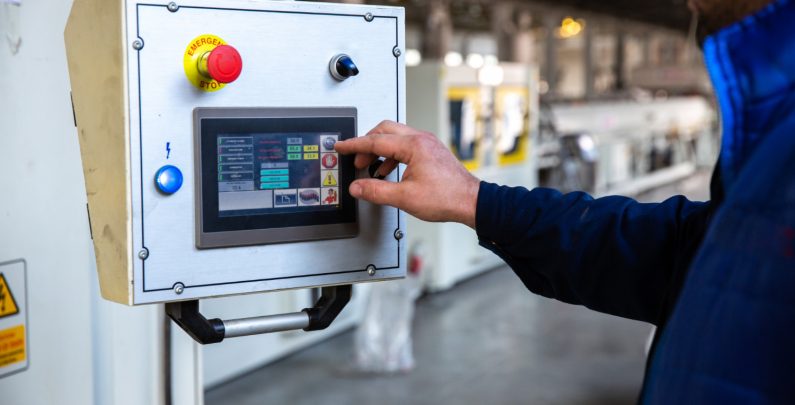
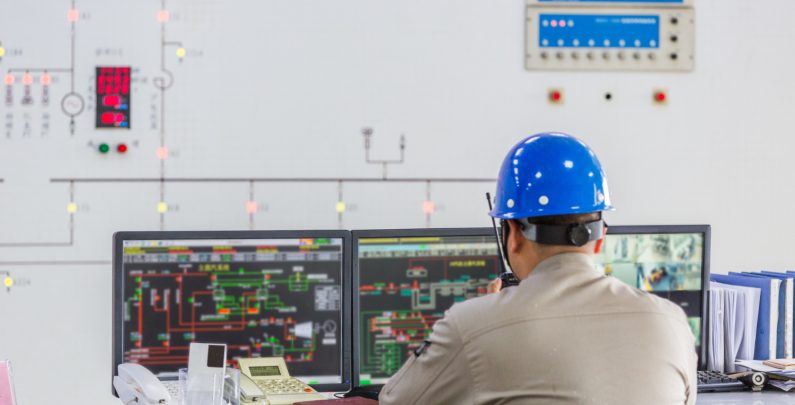
Safety in industrial heating systems is a major concern for companies operating in high-temperature environments. Poorly managed or inadequately monitored heating systems can cause dangerous malfunctions, costly breakdowns and, in the most serious cases, accidents that compromise worker safety and operational efficiency. At ST2 Ltd, we offer advanced automation solutions for heating systems, designed to improve plant safety, reduce the risk of failure and ensure safer and more reliable operations.

follow the blog!

A crucial aspect for industrial operations

Heating systems are essential in many industrial sectors, from manufacturing to materials processing, but their management involves inherent risks, especially when operating in extremely high-temperature environments. Without a continuous monitoring and control system, failures in heating systems can lead to dangerous situations, such as fires, explosions or damage to equipment.

To prevent such risks, it is essential to implement advanced automation solutions that allow every aspect of heating systems to be monitored and controlled. Our automation systems allow you to manage temperature, pressure and flow in real time, ensuring that systems operate within strict safety parameters.

How automation improves the safety of heating systems

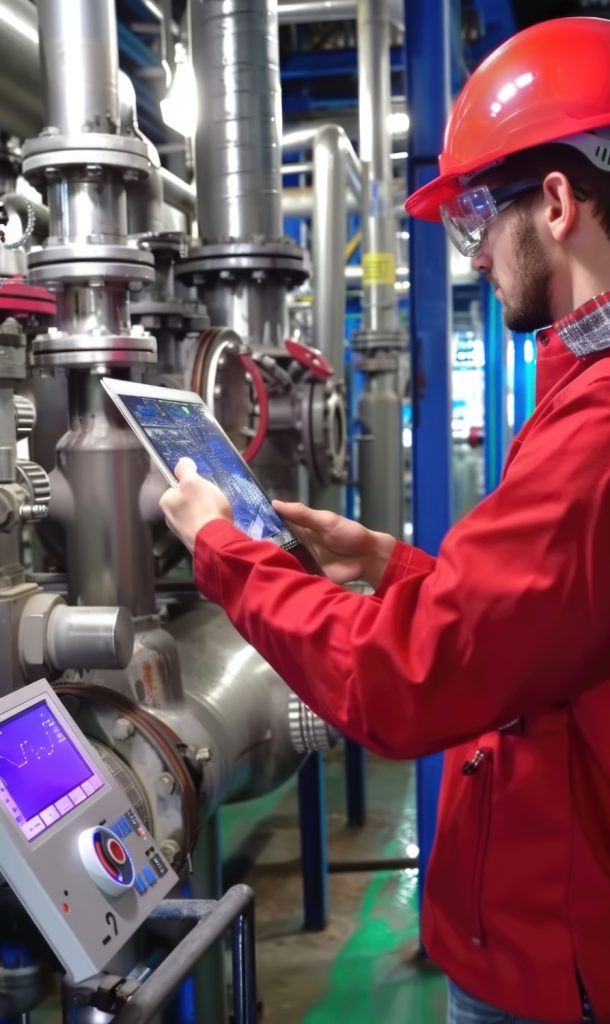
Advanced automation integrates intelligent sensors and monitoring systems that constantly analyse the operating conditions of heating systems. The use of temperature and pressure sensors and leak detectors provides accurate, real-time data on all crucial parameters.

When systems detect an abnormal condition, such as a sudden increase in temperature or excessive pressure, automation kicks in, automatically adjusting system operation to prevent breakdowns or dangerous situations. If a serious problem is detected, automation systems can also shut down the plant or activate protective mechanisms to reduce the risk of damage.

Benefits of automation for heating system safety

  1. Prevention of breakdowns and accidents: Thanks to sensors and continuous monitoring, automation allows anomalies to be identified and corrected before they can cause serious damage, preventing breakdowns, fires or explosions.
  2. Real-time control: The ability to constantly monitor temperature and pressure parameters allows immediate intervention in the event of risk, minimising reaction time and improving the overall safety of the plant.
  3. Automation of safety procedures: Automated systems can activate predefined safety measures, such as immediately shutting down heating in the event of an anomaly, reducing manual intervention and the risks associated with human error.
  4. Maintenance optimisation: Predictive automation, combined with continuous monitoring, allows you to predict when a component might fail, reducing the need for sudden interventions and improving resource management.
  5. Compliance with safety regulations: Our automation systems are designed to ensure that heating systems comply with all industrial safety regulations, reducing the risk of non-compliance and improving the protection of workers and equipment.

The ST2 Srl solution for you

At ST2 Ltd, we offer tailor-made solutions for the automation and protection of industrial heating systems. Our solutions include:

  • Continuous monitoring: Sensor systems that constantly monitor temperature, pressure and other crucial parameters.
  • Automatic control: Automatic adjustment of parameters to avoid dangerous situations.
  • Alarm systems: Detection of anomalies with immediate alarms for rapid intervention.
  • Predictive maintenance: Optimisation of maintenance operations through real-time data analysis, reducing unexpected breakdowns.

Our solutions not only improve safety, but also help to increase operational efficiency and reduce the overall costs of managing heating systems.

The future of safety in heating systems

With technological advances, the future of industrial heating systems will increasingly focus on smart, automated solutions. Automation not only improves safety, but also allows for optimised resource management, reducing energy consumption and improving environmental sustainability. At ST2 Ltd, we are ready to take your industrial operations to the next level by integrating automation for safe and efficient heating system management.

Contact us today to find out how we can protect your heating systems with advanced automation solutions and ensure the safety and reliability of your industrial operations. Predictive maintenance tailored to your needs, improving the management and maintenance of your industrial operations.
READ MORE
manutenzione predittiva

Predictive maintenance in automation with St2srl

In today’s industrial landscape, operational efficiency is essential for competitiveness. A crucial aspect of optimising performance is maintenance, which has traditionally been based on reactive interventions, addressing failures only when they occur. However, thanks to predictive automation, it is now possible to anticipate failures before they happen, drastically reducing downtime and operating costs. At ST2 Ltd, we offer advanced automation and predictive maintenance solutions that enable industrial companies to optimise their operations and ensure maximum efficiency and reliability.

follow the blog!

What is predictive maintenance in automation and why is it crucial?

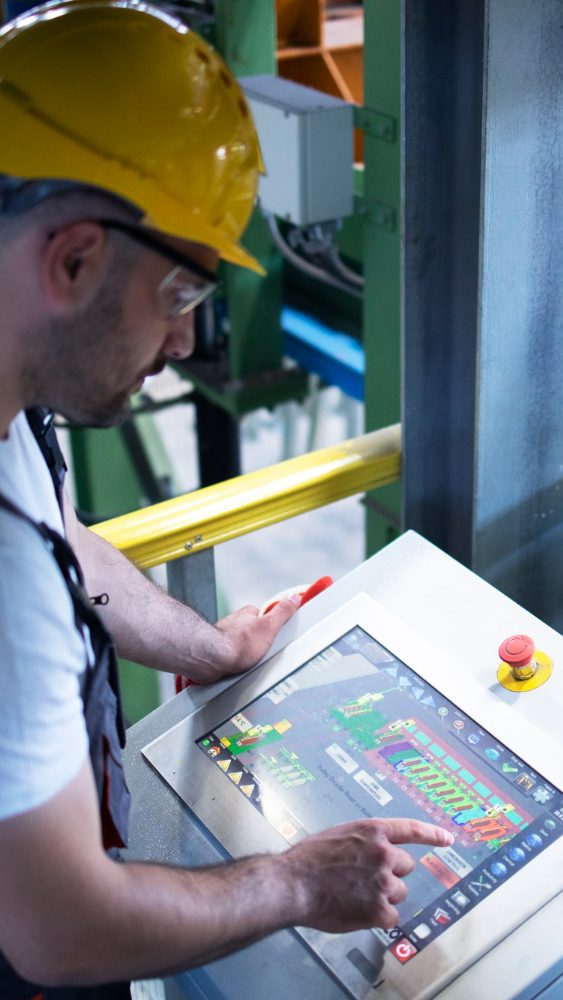
Predictive maintenance is a strategy that harnesses the power of automated systems to monitor the condition of industrial plants in real time. Through the use of smart sensors and monitoring devices, data is continuously collected and analysed to predict any faults or anomalies in machinery. This approach allows problems to be anticipated, enabling maintenance to be scheduled before serious damage occurs.

Unlike traditional methods, which are based on predefined maintenance intervals or unexpected failures, predictive maintenance reduces unnecessary interventions and optimises resources, lowering overall management costs.

How does predictive automation work in maintenance?

Predictive automation integrates advanced sensors and monitoring software that continuously collect vital data on the operating conditions of industrial plants. Automated systems analyse this data in real time to detect any signs of wear or impending malfunction.

When the system identifies an anomaly, such as abnormal vibrations, temperature fluctuations or changes in operating parameters, it immediately intervenes to adjust operations or send an alarm to the maintenance team. This allows for efficient planning of interventions, reducing machine downtime and preventing costly or damaging breakdowns.

Benefits of predictive automation for businesses

Adopting a predictive automation system brings numerous concrete benefits for industrial operations:

  • Reduced downtime: Systems are monitored in real time, allowing action to be taken before unexpected failures occur. This approach significantly reduces downtime, improving operational continuity.
  • Optimisation of maintenance costs: Predictive maintenance eliminates unnecessary interventions and allows you to focus only on real needs. This reduces costs associated with extraordinary maintenance and replacement of expensive components.
  • Increased plant life: By continuously monitoring machine conditions and taking timely action, predictive maintenance helps extend the useful life of plants, improving long-term performance.
  • Increased reliability and safety: Automated systems allow anomalies to be detected and corrected in real time, reducing the risk of sudden failures that could compromise workplace safety.
  • Improved energy efficiency: By optimising machine operation and preventing failures, predictive automation helps reduce energy consumption, thereby improving overall energy efficiency.

The future of predictive automation

The future of predictive automation is closely linked to continuous advances in digital technologies and data collection. The integration of advanced monitoring systems and automation will enable companies to achieve ever-higher levels of operational efficiency and cost reduction. Predictive solutions are becoming increasingly accurate, thanks to their ability to analyse huge volumes of data and provide increasingly accurate forecasts.

At ST2 Ltd, we are ready to support your company on this path of innovation, offering advanced predictive automation solutions designed to optimise every phase of industrial operations. Our technologies are designed to reduce risks, improve productivity and ensure the continuous and efficient operation of your plants.

Contact us today to find out how we can implement predictive automation solutions tailored to your needs, improving the management and maintenance of your industrial operations.
READ MORE
sistema petrolifero

Process optimisation in the oil treatment system

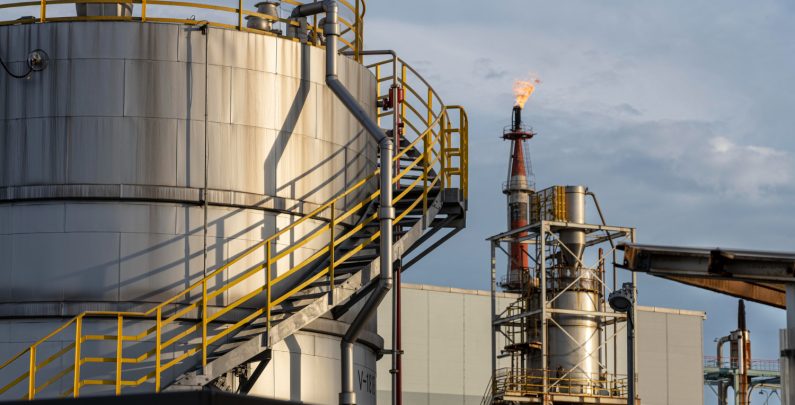
In the oil and gas sector, optimising the process in the material treatment system is essential to ensure long-term competitiveness and sustainability. With the evolution of technology, industrial automation has become an essential component in optimising every stage of the process, from extraction to refining and the transport of oil and gas. At ST2 Ltd, we are committed to offering cutting-edge solutions that improve performance and reduce operating costs through advanced automation systems.

follow the blog!

Process automation in oil treatment systems

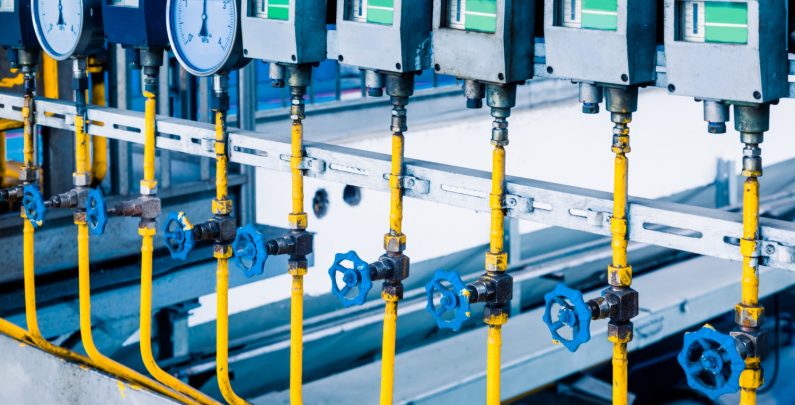
Oil extraction is one of the most critical and complex stages of the production process. With the introduction of automation, operations can be optimised, minimising margins of error and improving workplace safety in the oil processing system. Automation allows for constant monitoring of operating parameters, ensuring real-time control of activities. Intelligent sensors and advanced monitoring systems help identify any anomalies before they turn into serious problems, enabling timely intervention and minimising machine downtime.

Process optimisation and cost improvement

Oil refining is a complex process that requires precise control of variables such as temperature, pressure and flow. Automating refining processes allows these parameters to be optimised in real time, improving efficiency and reducing energy consumption. Thanks to sophisticated management algorithms, automated control systems can independently adjust operating conditions to maximise yield, improve the quality of the final product and reduce waste.

In addition, automation enables the implementation of predictive maintenance, reducing unexpected breakdowns and the costs associated with unscheduled maintenance. With constant monitoring of machinery, it is possible to predict malfunctions and intervene before they become critical, ensuring smoother and uninterrupted operations.

Automazione nel trasporto del petrolio e del gas

The transport of oil and gas is one of the most delicate and risky stages of the entire production cycle. Safety is a top priority, and automation plays a crucial role in ensuring compliance with regulations and preventing accidents. Automated pressure and temperature monitoring systems in pipelines allow for the immediate detection of any anomalies, such as leaks or overloads, reducing the risk of serious accidents.

In addition, automation helps to better manage logistics and operational efficiency, enabling a smoother and more timely workflow. The integration of advanced technologies such as GPS and real-time communication systems allows for continuous monitoring of shipments and optimisation of routes, reducing transit times and costs.

Benefits of oil and gas system automation

The benefits of adopting automation solutions in the oil and gas system are manifold:

  • Increased Operational Efficiency: Automation allows processes to be optimised, improving productivity and reducing waste.
  • Greater Safety: Automated systems reduce the risks associated with manual operations and enable safer process management.
  • Real-Time Control: The use of advanced sensors and software allows for constant monitoring of each stage of the process, ensuring accurate and timely control.
  • Cost Reduction: Automation reduces the risk of unexpected breakdowns and optimises energy consumption, cutting operating costs.

The future of the oil industry

In the competitive landscape of the oil industry, process optimisation within the system represents not only a solution for optimising processes, but also a fundamental strategy for addressing future challenges. Digitalisation, artificial intelligence and the Internet of Things (IoT) are transforming the sector, and companies that adopt automated solutions will be able to ensure greater efficiency, safety and sustainability.

At ST2 Ltd, we are ready to guide you through this transformation, offering customised industrial automation solutions for the oil and gas sector. With our experience and advanced technology, we can improve the operational efficiency and safety of your facilities, ensuring the long-term success of your business.

Contact us today to find out how we can optimise your industrial processes and take your business into the future of automation.

READ MORE

System integration for optimal operational efficiency

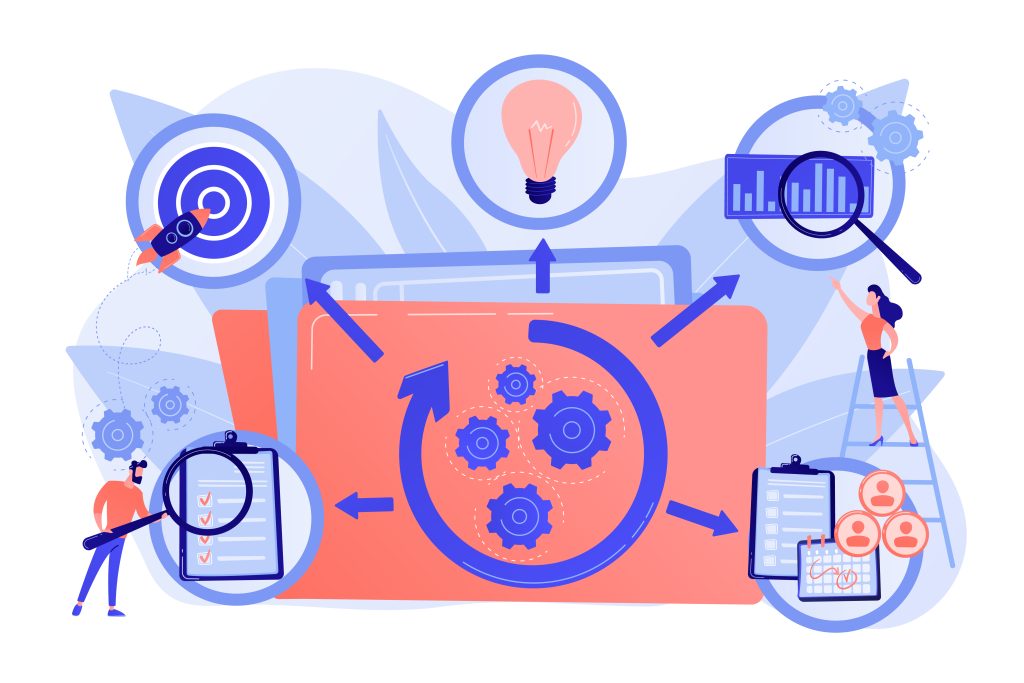
In today’s industrial environment, where digitalisation and automation play a fundamental role, system integration is the cornerstone for achieving unprecedented operational efficiency. Connecting technologies, applications and processes within a single infrastructure allows information to be centralised and operational management to be improved, laying the foundations for a complete transformation.

follow the blog!

What does integrating systems mean?

System integration consists of combining different platforms and technological solutions so that they can communicate and collaborate with each other. This approach breaks down barriers between different departments within a company, making processes more fluid and decisions faster and more informed. In practice, it creates a digital ecosystem where each component contributes to the harmonious functioning of the entire organisation.

Operational benefits and advantages

The adoption of integrated systems offers multiple benefits. First, it significantly reduces downtime, as data is shared in real time between the various operating units. Furthermore, the elimination of fragmented information facilitates more accurate resource management, with a direct impact on productivity and the quality of the final product. An integrated system thus becomes a strategic tool for maintaining a competitive advantage in the market.

Overcoming the challenges of integration

Integrating different technologies is not always an easy task, especially when it comes to combining legacy systems with modern solutions. Companies must deal with the complexity of compatibility and data security. However, by adopting targeted strategies and modular solutions, it is possible to achieve gradual and secure integration, minimising risks and enabling a smooth transition to an interconnected digital environment.

Key strategies for success

To successfully implement a systems integration, it is essential to follow a structured path:

  • Analysis and Diagnosis: Evaluate existing processes to identify areas for improvement and technologies to be integrated.
  • Strategic Planning: Define clear objectives and choose the solutions best suited to the specific needs of the company.
  • Gradual Implementation: Proceed in stages, constantly monitoring results to ensure operational continuity and make any necessary adjustments.
  • Continuous Monitoring: Use analysis tools to verify the effectiveness of the integration and adapt to market developments.

The Impact on Business Efficiency

When systems are effectively integrated, the entire company benefits from a more streamlined and responsive workflow. Centralising information reduces response times and optimises resource utilisation, contributing to greater competitiveness. In this scenario, each department works in synergy, transforming challenges into opportunities for growth and innovation.

System integration for an optimal strategy

System integration is an essential strategy for achieving optimal operational efficiency. Investing in integrated technological solutions and adopting a holistic approach allows you to overcome the complexities of digitalisation, creating a dynamic and resilient environment. For ST2 S.r.l., embracing integration means looking to the future with a clear vision: that of an increasingly innovative, efficient and competitive industry. Industrial integration is a strategic decision that must take into account a number of critical factors to ensure the success of the operation.

Reliability, compatibility, scalability, security, performance and support are just some of the aspects that should guide the choice of system. Only a careful assessment of these requirements will enable companies to make an investment that can optimise operations, reduce risks and improve competitiveness in the long term.

READ MORE

Industrial automation 2025: targets for a year of growth

2025 is shaping up to be a crucial year for the industrial sector, where automation will be key to unlocking new growth potential. In a context of rapid technological evolution, companies are being called upon to rethink their processes, investing in innovative solutions to remain competitive and optimise operations.

follow the blog!

Strategic investments in industrial automation for 2025

To meet the challenges of 2025, it is essential to plan targeted investments in key technologies. IoT solutions enable the installation of smart sensors and real-time monitoring systems, which are essential for collecting valuable data. Artificial intelligence, through advanced algorithms, supports predictive analytics and informed decisions, while robotics and process automation, thanks to collaborative robots and automated systems, help increase productivity. These investments dramatically reduce downtime, increase operational accuracy and optimise the use of company resources.

Optimisation of production processes

Adopting a data-driven approach is essential for transforming production processes. By carefully analysing operational flows, companies can identify and overcome bottlenecks, improve the quality of the final product and make the production environment more agile and responsive. This combination of technology and analysis promotes continuous innovation and delivers tangible results in terms of efficiency and competitiveness.

Technological integration and training

Integrating new technologies with existing infrastructure requires ongoing training. Investing in specialist training means preparing staff to use new digital solutions effectively, promoting a corporate culture focused on innovation. This training programme is crucial to ensuring a smooth and sustainable transition to automated processes, combining the potential of technology with the expertise of human capital.

Industrial automation for growth in 2025

Industrial automation is not only a response to current challenges, but also the foundation on which to build a year of growth and development in 2025. Planning targeted investments and optimising production processes are essential steps in transforming challenges into concrete opportunities. With a clear strategy and the adoption of the most advanced technologies, companies will be able to consolidate their position in the global market, preparing for an increasingly competitive and innovative future. Industrial plants are a strategic decision that must consider a number of critical factors to ensure the success of the operation.

Reliability, compatibility, scalability, security, performance and support are just some of the aspects that should guide the choice of system. Only a careful assessment of these requirements will enable companies to make an investment that can optimise operations, reduce risks and improve competitiveness in the long term.

READ MORE