Costo Totale di Possesso

Total Cost of Ownership (TCO): The Key to Winning Industrial Tenders

In the Oil & Gas and Energy industries, the era when tenders were won solely by offering the lowest list price is over. Today, clients seek partners who do not just deliver a plant, but who guarantee the efficiency and sustainability of operations throughout the entire asset lifecycle. The metric that has revolutionized this paradigm is the Total Cost of Ownership (TCO).

Understanding and demonstrating the ability to reduce the Total Cost of Ownership (TCO) is the secret weapon for securing strategic contracts. It is no longer just about how much it costs to build, but how much it will cost to manage the plant over the next 20 years.

To discover our services, click here

Beyond the Initial Price: Defining Industrial TCO

The Total Cost of Ownership (TCO) is the sum of all costs incurred for an asset, from purchase to decommissioning. For an electrical and instrumental plant, TCO consists of four main components:

  1. Initial Cost (CapEx): Engineering, procurement, and installation.
  2. Operating Costs (OpEx): Energy consumption and personnel.
  3. Maintenance Costs: Repairs, spare parts, and downtime.
  4. Risk Costs: Accidents and regulatory non-compliance.

In the Energy and Oil & Gas sectors, the real economic impact lies in the long term: one hour of plant downtime can cost hundreds of thousands of dollars. Therefore, a design aimed at minimizing TCO is a superior value proposition compared to a simple saving on component purchases.

Strategic Engineering Reduces TCO from the Design Phase

ST2’s expertise lies in making electrical and instrumental design an active driver in reducing the Total Cost of Ownership (TCO).

1. Electrical Optimization for Energy Efficiency

Technical choices made during the study phase have repercussions on energy consumption. Through multidisciplinary engineering, we select high-efficiency components, such as Variable Frequency Drives (VFDs) and premium efficiency motors, which significantly reduce long-term operating costs. These interventions, while potentially increasing the initial cost slightly, guarantee a rapid ROI and a significantly lower TCO.

2. Instrumentation for Reliability

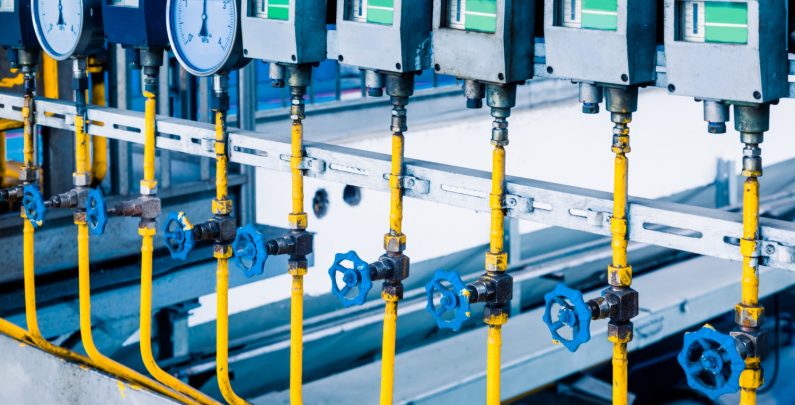
Instrumentation is the backbone of process control. We choose only robust, long-lasting measuring instruments (pressure, temperature, flow sensors) that require less frequent calibration and maintenance. Fewer interventions = lower maintenance costs and, above all, less risk of failure and unexpected interruptions.

Costo Totale di Possesso

Automation and Predictivity: The Heart of Optimized TCO

The real revolution in reducing Total Cost of Ownership (TCO) comes from the integration of advanced automation systems:

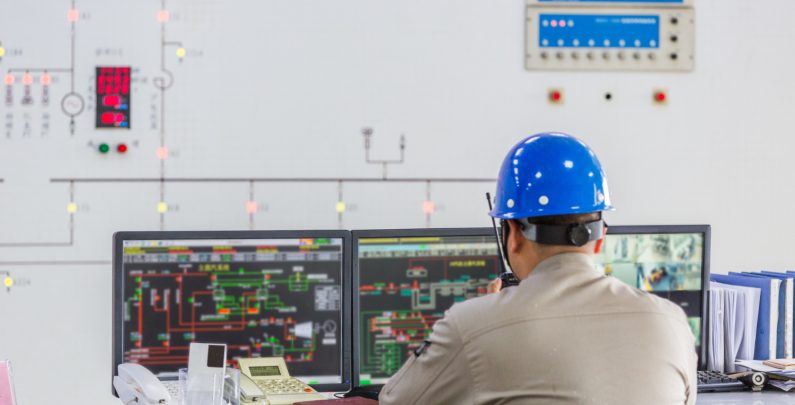
  • Predictive Maintenance: Integrating smart sensors and SCADA/PLC systems from the design phase enables predictive maintenance. This eliminates costly surprise breakdowns—the number one enemy of TCO—transforming emergency repairs into planned, cost-effective interventions.
  • Risk Mitigation: Control systems and instrumentation designed for maximum safety reduce operational risks and the insurance costs associated with potential accidents.

By presenting a bid that not only lists material costs but also quantifies expected savings in terms of energy and maintenance through these automation solutions, we provide the client with a complete and winning financial perspective.

Conclusion

Today, Total Cost of Ownership (TCO) is the language of excellence. Companies that, like ST2, can translate their engineering and automation expertise into lower operational risk and higher long-term efficiency are destined not only to win tenders but to become strategic partners for the future of energy.

Contact us today to optimize the TCO of your next industrial project!
READ MORE
transizione energetica O&G

O&G Energy Transition, engineering & Automation Roles

The O&G Energy Transition is one of the greatest challenges and opportunities of our time. The global imperative to reduce carbon emissions and combat climate change is reshaping every aspect of the energy sector. At the center of this epochal shift lies the Oil & Gas industry—a pillar of the world economy that now stands at a crossroads: adapt or risk obsolescence. In this context, engineering and automation emerge as the fundamental driving forces to guide the conversion toward renewable sources and more sustainable processes.

To discover our services, click here

The Challenges of O&G Energy Transition: From Obstacles to Innovation

For decades, the O&G industry has perfected the extraction and processing of fossil fuels. The O&G Energy Transition requires more than just a change of course; it demands a radical transformation of infrastructure, skills, and business models. Key challenges include the need to reduce emissions (Scope 1, 2, and 3), intense regulatory pressure, and the adaptation of costly, complex assets. However, these challenges are also catalysts for unprecedented innovation.Le sfide della transizione energetica O&G, da ostacoli a motori di innovazione

transizione energetica O&G

The Role of Multidisciplinary Engineering in the New Scenario

Engineering is the heart of the response to these challenges. A multidisciplinary approach—combining mechanical, chemical, electrical, and civil expertise—is essential for the success of the O&G Energy Transition. Engineers are no longer just optimizing traditional processes; they are designing entirely new ones:

  • Carbon Capture, Utilization, and Storage (CCUS): Designing systems to capture, transport, and store CO2 produced by existing plants.
  • Hydrogen Engineering: Creating facilities for the production (Green and Blue Hydrogen), transport, and storage of hydrogen—the energy carrier of the future.
  • Asset Conversion: Reconfiguring refineries and plants for advanced biofuel production or integrating renewable power sources.

Automation: The Path to Efficiency and Sustainability

While engineering designs the “what,” automation handles the “how,” making processes more efficient, safe, and clean. Plant digitalization is the pillar of modernization:

  • Process Control: Advanced PLC and SCADA systems optimize energy consumption, product yield, and raw material use, reducing waste and emissions in real-time.
  • Predictive Maintenance: Data analysis supported by IoT predicts equipment failure before it occurs, ensuring maximum operational efficiency.
  • Safety: Automating high-risk processes protects personnel and prevents environmental incidents.

The Future is Already Here

The O&G Energy Transition is no longer a future concept; it is a reality in motion. O&G companies have a unique opportunity to reinvent themselves, using engineering and automation as strategic levers. Investing in these skills means more than just complying with new regulations—it means creating new business opportunities and securing a central role in tomorrow’s energy landscape.

Contact ST2 Srl today for professional support from the very start of your plant’s journey!

READ MORE
sistemi di riscaldamento

Automation and safety in heating systems

Safety in industrial heating systems is a major concern for companies operating in high-temperature environments. Poorly managed or inadequately monitored heating systems can cause dangerous malfunctions, costly breakdowns and, in the most serious cases, accidents that compromise worker safety and operational efficiency. At ST2 Ltd, we offer advanced automation solutions for heating systems, designed to improve plant safety, reduce the risk of failure and ensure safer and more reliable operations.

follow the blog!

A crucial aspect for industrial operations

Heating systems are essential in many industrial sectors, from manufacturing to materials processing, but their management involves inherent risks, especially when operating in extremely high-temperature environments. Without a continuous monitoring and control system, failures in heating systems can lead to dangerous situations, such as fires, explosions or damage to equipment.

To prevent such risks, it is essential to implement advanced automation solutions that allow every aspect of heating systems to be monitored and controlled. Our automation systems allow you to manage temperature, pressure and flow in real time, ensuring that systems operate within strict safety parameters.

How automation improves the safety of heating systems

Advanced automation integrates intelligent sensors and monitoring systems that constantly analyse the operating conditions of heating systems. The use of temperature and pressure sensors and leak detectors provides accurate, real-time data on all crucial parameters.

When systems detect an abnormal condition, such as a sudden increase in temperature or excessive pressure, automation kicks in, automatically adjusting system operation to prevent breakdowns or dangerous situations. If a serious problem is detected, automation systems can also shut down the plant or activate protective mechanisms to reduce the risk of damage.

Benefits of automation for heating system safety

  1. Prevention of breakdowns and accidents: Thanks to sensors and continuous monitoring, automation allows anomalies to be identified and corrected before they can cause serious damage, preventing breakdowns, fires or explosions.
  2. Real-time control: The ability to constantly monitor temperature and pressure parameters allows immediate intervention in the event of risk, minimising reaction time and improving the overall safety of the plant.
  3. Automation of safety procedures: Automated systems can activate predefined safety measures, such as immediately shutting down heating in the event of an anomaly, reducing manual intervention and the risks associated with human error.
  4. Maintenance optimisation: Predictive automation, combined with continuous monitoring, allows you to predict when a component might fail, reducing the need for sudden interventions and improving resource management.
  5. Compliance with safety regulations: Our automation systems are designed to ensure that heating systems comply with all industrial safety regulations, reducing the risk of non-compliance and improving the protection of workers and equipment.

The ST2 Srl solution for you

At ST2 Ltd, we offer tailor-made solutions for the automation and protection of industrial heating systems. Our solutions include:

  • Continuous monitoring: Sensor systems that constantly monitor temperature, pressure and other crucial parameters.
  • Automatic control: Automatic adjustment of parameters to avoid dangerous situations.
  • Alarm systems: Detection of anomalies with immediate alarms for rapid intervention.
  • Predictive maintenance: Optimisation of maintenance operations through real-time data analysis, reducing unexpected breakdowns.

Our solutions not only improve safety, but also help to increase operational efficiency and reduce the overall costs of managing heating systems.

The future of safety in heating systems

With technological advances, the future of industrial heating systems will increasingly focus on smart, automated solutions. Automation not only improves safety, but also allows for optimised resource management, reducing energy consumption and improving environmental sustainability. At ST2 Ltd, we are ready to take your industrial operations to the next level by integrating automation for safe and efficient heating system management.

Contact us today to find out how we can protect your heating systems with advanced automation solutions and ensure the safety and reliability of your industrial operations. Predictive maintenance tailored to your needs, improving the management and maintenance of your industrial operations.

READ MORE
manutenzione predittiva

Predictive maintenance in automation with St2srl

In today’s industrial landscape, operational efficiency is essential for competitiveness. A crucial aspect of optimising performance is maintenance, which has traditionally been based on reactive interventions, addressing failures only when they occur. However, thanks to predictive automation, it is now possible to anticipate failures before they happen, drastically reducing downtime and operating costs. At ST2 Ltd, we offer advanced automation and predictive maintenance solutions that enable industrial companies to optimise their operations and ensure maximum efficiency and reliability.

follow the blog!

What is predictive maintenance in automation and why is it crucial?

Predictive maintenance is a strategy that harnesses the power of automated systems to monitor the condition of industrial plants in real time. Through the use of smart sensors and monitoring devices, data is continuously collected and analysed to predict any faults or anomalies in machinery. This approach allows problems to be anticipated, enabling maintenance to be scheduled before serious damage occurs.

Unlike traditional methods, which are based on predefined maintenance intervals or unexpected failures, predictive maintenance reduces unnecessary interventions and optimises resources, lowering overall management costs.

How does predictive automation work in maintenance?

Predictive automation integrates advanced sensors and monitoring software that continuously collect vital data on the operating conditions of industrial plants. Automated systems analyse this data in real time to detect any signs of wear or impending malfunction.

When the system identifies an anomaly, such as abnormal vibrations, temperature fluctuations or changes in operating parameters, it immediately intervenes to adjust operations or send an alarm to the maintenance team. This allows for efficient planning of interventions, reducing machine downtime and preventing costly or damaging breakdowns.

Benefits of predictive automation for businesses

Adopting a predictive automation system brings numerous concrete benefits for industrial operations:

  • Reduced downtime: Systems are monitored in real time, allowing action to be taken before unexpected failures occur. This approach significantly reduces downtime, improving operational continuity.
  • Optimisation of maintenance costs: Predictive maintenance eliminates unnecessary interventions and allows you to focus only on real needs. This reduces costs associated with extraordinary maintenance and replacement of expensive components.
  • Increased plant life: By continuously monitoring machine conditions and taking timely action, predictive maintenance helps extend the useful life of plants, improving long-term performance.
  • Increased reliability and safety: Automated systems allow anomalies to be detected and corrected in real time, reducing the risk of sudden failures that could compromise workplace safety.
  • Improved energy efficiency: By optimising machine operation and preventing failures, predictive automation helps reduce energy consumption, thereby improving overall energy efficiency.

The future of predictive automation

The future of predictive automation is closely linked to continuous advances in digital technologies and data collection. The integration of advanced monitoring systems and automation will enable companies to achieve ever-higher levels of operational efficiency and cost reduction. Predictive solutions are becoming increasingly accurate, thanks to their ability to analyse huge volumes of data and provide increasingly accurate forecasts.

At ST2 Ltd, we are ready to support your company on this path of innovation, offering advanced predictive automation solutions designed to optimise every phase of industrial operations. Our technologies are designed to reduce risks, improve productivity and ensure the continuous and efficient operation of your plants.

Contact us today to find out how we can implement predictive automation solutions tailored to your needs, improving the management and maintenance of your industrial operations.

READ MORE

Energy Transition in Industrial Plants, challenges and opportunities

La transizione energetica è un tema cruciale per l’industria moderna, spinta dalla necessità di ridurre le emissioni di carbonio e migliorare l’efficienza energetica. Con normative europee sempre più stringenti, gli impianti industriali devono adottare strategie innovative per ridurre l’impatto ambientale e ottimizzare il consumo di risorse. In questo articolo esploreremo le principali sfide e opportunità legate alla transizione energetica nel settore industriale.

segui il nostro blog!

Le sfide della transizione energetica negli impianti industriali

1. Adeguamento alle Normative Europee

L’Unione Europea ha fissato obiettivi ambiziosi per la riduzione delle emissioni di CO2, con regolamenti come il Green Deal e il Fit for 55. Le aziende devono investire in soluzioni conformi alle nuove direttive, come l’adozione di tecnologie a basse emissioni e l’ottimizzazione dei processi produttivi.

2. Costi di Implementazione

L’adozione di tecnologie sostenibili richiede investimenti iniziali significativi. L’installazione di impianti fotovoltaici, l’efficientamento energetico dei macchinari e l’implementazione di sistemi di monitoraggio smart possono rappresentare una sfida economica, soprattutto per le PMI.

3. Integrazione con Sistemi Esistenti

Molti impianti industriali operano con tecnologie obsolete, rendendo complessa l’integrazione di nuove soluzioni energetiche. L’adozione di sistemi ibridi o la conversione verso fonti rinnovabili deve essere gestita in modo strategico per garantire continuità operativa.

The Opportunities of Energy Transition

1. Compliance with European Regulations

The European Union has set ambitious targets for CO2 reduction through frameworks like the Green Deal and Fit for 55. Companies must invest in solutions that comply with these directives, such as adopting low-emission technologies and optimizing production workflows.

2. Enhanced Efficiency and Productivity

Integrating digital solutions for consumption monitoring allows for precise control of energy usage. The application of IoT and Big Data helps identify optimization areas and eliminate systemic inefficiencies.

3. Access to Incentives and Funding

Numerous incentive programs exist at both national and European levels for companies investing in sustainable energy. Tools like White Certificates and various recovery funds provide essential financial support for green initiatives.

4. Competitive Advantage and Corporate Sustainability

Investing in the Energy Transition boosts market reputation, meeting the growing demand for sustainability from clients and investors. Sustainability is no longer just a legal obligation; it is a value proposition that drives long-term success.

Strategies for a Sustainable Future

The transition toward greener industrial plants is a complex but rewarding journey. With proper planning and the adoption of advanced technologies, companies can improve efficiency, slash costs, and position themselves as leaders in the global market. Investing today in innovative energy solutions means building a more resilient and competitive industrial future.

Contact us today to design your roadmap for industrial energy transition!

READ MORE