WHCP, the heart of pneumohydraulic automation

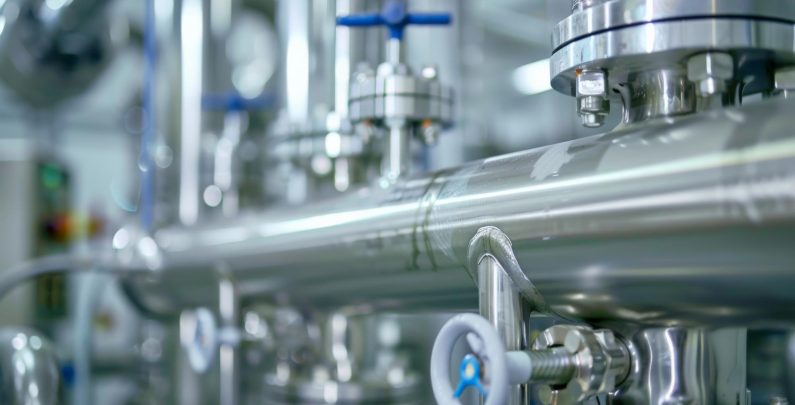
In an industry such as oil and gas, where safety and reliability are paramount, Wellhead Control Panels (WHCP) are a crucial element for plant control and safety. These integrated systems combine electrical, pneumatic and hydraulic circuits to manage safety and control valves in wellheads, both onshore and offshore.

follow the blog!

Functionality and importance of WHCPs

WHCPs are designed to monitor and control critical valves such as SCSSVs, masters, wings, chokes, ESDs and HIPPS. Their ability to operate in extreme conditions, with pressures up to 1,379 bar (20,000 PSI) and variable temperatures, makes them indispensable for ensuring the safety and operational efficiency of plants.

Advanced technical features

  • Certified safety: Components comply with SIL2 and SIL3 standards according to IEC 61508:2010, ensuring high levels of functional safety.
  • High-quality materials: Made of AISI316 stainless steel, WHCPs offer corrosion resistance and durability.
  • Modular design: Available in single or multi-well versions, with removable modules for easy maintenance.
  • Diverse power supply systems: Can be powered electrically, pneumatically or by gas from the well.
  • Remote and local control: Can be integrated with PLC, DCS, SCADA and RTU systems for efficient monitoring and control.

Applications in critical environments

WHCPs are essential in environments where operating conditions are particularly harsh, such as offshore installations, deserts or arctic regions. Their design allows installation in ATEX and IECEx classified areas, ensuring operation even in the presence of hazardous gases such as H₂S.

Customisation and innovation

WHCP solutions can be customised to meet specific requirements, including features such as:

  • Advanced shutdown systems: Implementation of ‘first out’ logic to quickly identify the cause of a shutdown.
  • Separate accumulator: Dedicated skids for accumulators, equipped with boosters for high-pressure recharging.
  • Green technologies: Low energy consumption design, compatible with power supply via photovoltaic panels.
WHCP for improved safety

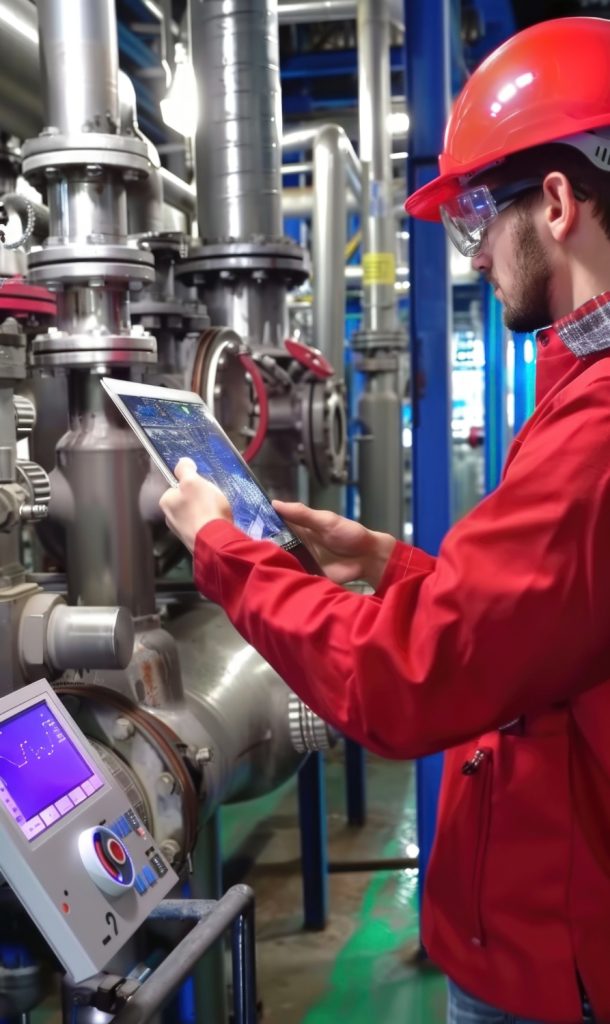
Wellhead Control Panels are a fundamental component for the safety and efficiency of oil & gas facilities. Their ability to operate in extreme conditions, combined with the possibility of customisation and integration with advanced control systems, makes them indispensable for tackling the most critical operational challenges.

To learn more about WHCP solutions and discover how they can be integrated into your facilities, please contact ST2 Ltd.
READ MORE

Digital twins and advanced simulations

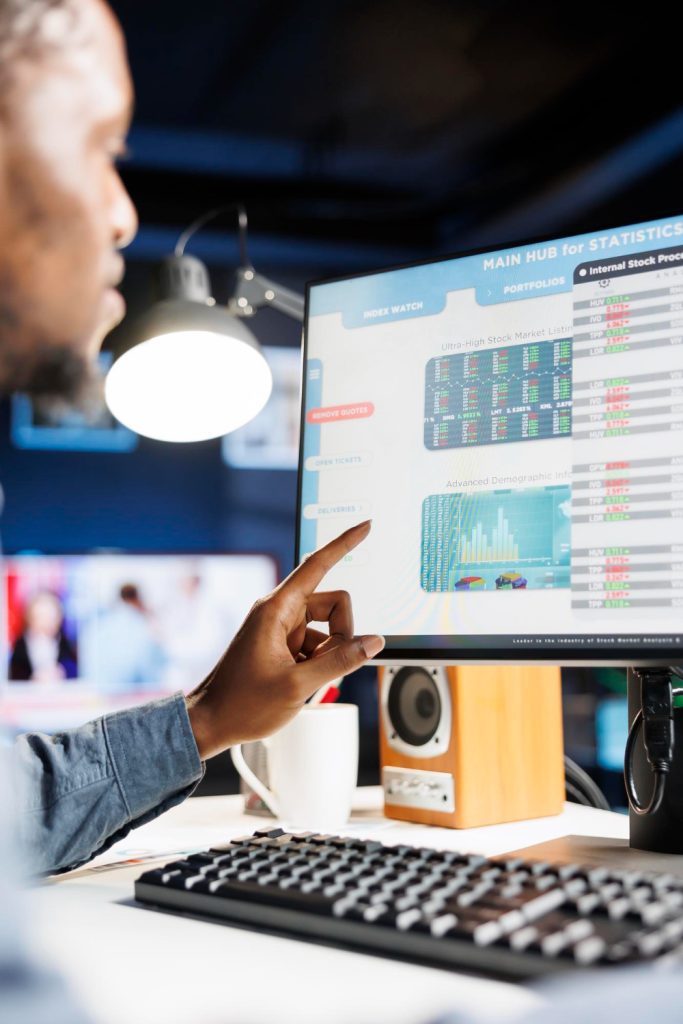
In today’s industrial landscape, the ability to anticipate and resolve operational issues is essential to maintaining competitiveness and sustainability. Digital twin technology, combined with advanced simulations, is revolutionising plant design and management, offering innovative tools to improve operational efficiency, reduce costs and increase safety. This article explores these solutions in detail, illustrating the concrete benefits and real-world applications that are transforming the industry.

follow the blog!

What are digital twins?

Digital twins are virtual replicas of physical systems, capable of simulating the behaviour of industrial plants in real time. These digital representations allow every aspect of the production process to be monitored, reproducing operating conditions and future scenarios. By integrating data from sensors and IoT systems, digital twins offer a comprehensive and dynamic view of the plant, serving as a predictive and analytical tool to identify potential anomalies before they occur.

Benefits of advanced simulations

The use of advanced simulations, supported by digital twins, allows different operating configurations to be tested without interrupting the actual operation of the plants. The main benefits include:

  • Predictive Diagnostics: Real-time data analysis to identify imminent failures and schedule targeted interventions.
  • Process Optimisation: Evaluation and improvement of operational flows to maximise productivity and reduce waste.
  • Cost Reduction: Preventing unscheduled downtime and emergency maintenance leads to significant cost savings.
  • Safety Improvement: Simulating critical scenarios helps implement preventive measures, ensuring safer working environments.

These technologies enable raw data to be transformed into strategic information, improving the quality of operational decisions.

Real-world applications and case studies

Several industrial sectors are already benefiting from the adoption of digital twins. For example, in large manufacturing industries, the implementation of advanced simulations has reduced machine downtime by 20% thanks to predictive maintenance based on accurate data. In the energy sector, simulations have helped to optimise resource distribution, ensuring more efficient and sustainable plant management. These case studies highlight how the integration of digital models and simulations not only improves operational performance but also becomes a strategic asset for the entire company.

Advanced innovation with digital twins

The innovation represented by digital twins and advanced simulations opens up new perspectives for the design and management of industrial plants. Thanks to these technologies, companies can operate more proactively, anticipating problems and optimising production processes. In an increasingly demanding market, investing in cutting-edge digital tools means preparing for the future, ensuring efficiency, safety and sustainability. ST2 S.r.l. confirms its leading role in this revolution, offering solutions that transform complexity into opportunities for growth and innovation.

READ MORE

Technological innovations for industry: what to expect?

In today’s industrial landscape, technological innovations are the driving force behind transformation and progress. At ST2 S.r.l., we firmly believe that the integration of cutting-edge technologies is essential for making production processes more efficient, safer and more competitive. In this article, we explore emerging trends and what companies can expect in the near future.

follow the blog!

A new scenario for the industrial sector

The world of industry is constantly evolving. Digital technologies are redefining operating standards, creating an environment in which automation, artificial intelligence and real-time monitoring intertwine to offer innovative solutions. On the one hand, the adoption of IoT systems and predictive algorithms is transforming the way plants are managed; on the other, advanced robotics and digitalisation platforms are enabling greater flexibility and resilience. These innovations are paving the way for new business models and revolutionary operational strategies.

Key technologies and cutting-edge solutions

Technological innovations for industry are not just a trend, but a real necessity for those who want to remain competitive. Among the most relevant solutions, we highlight:

  • Internet of Things (IoT): Smart tools and sensors for continuous monitoring and data collection, essential for optimal plant management.
  • Artificial Intelligence (AI): Predictive analysis systems that anticipate anomalies and failures, enabling timely intervention.
  • Advanced Robotics: Automation of production processes through collaborative robots that improve efficiency and reduce downtime.
  • Process Digitalisation: Integration of cloud platforms and data-driven solutions that optimise operations and facilitate strategic decisions.

These technologies, applied synergistically, transform industrial production and create a competitive advantage in the global market.

Impact and benefits for businesses

Technological innovations are revolutionising not only production processes, but also the way companies prepare for the future. The adoption of new technologies brings with it multiple benefits, such as:

  • Operational Efficiency: Automation reduces errors, lowers costs and increases overall productivity.
  • Sustainability: Innovative technologies enable more responsible resource management, contributing to sustainability goals and reducing environmental impact.
  • Competitiveness: Investing in digital solutions allows companies to adapt quickly to market developments and consolidate their position.

This integrated approach promotes a profound transformation which, if well planned, can lead to tangible and lasting results.

Investing in the future, our vision

Looking ahead, we believe that investment in technological innovation must be at the heart of corporate strategy. At ST2 S.r.l., we are committed to supporting businesses on their journey towards complete digitalisation, offering personalised consulting and tailor-made solutions. Continuous training and constant updating are fundamental pillars for facing future challenges and ensuring a smooth transition to increasingly automated processes.

Technological innovations for a growing future

Technological innovations for industry are the key to a future full of opportunities and growth. By adopting targeted strategies and investing in cutting-edge technologies, companies can turn challenges into competitive advantages. ST2 S.r.l. supports its customers in this transformation process, convinced that the synergy between innovation and tradition is the secret to successfully facing the industrial future. It can optimise operations, reduce risks and improve competitiveness in the long term.

READ MORE