Technological innovations for industry: what to expect?

In today’s industrial landscape, technological innovations are the driving force behind transformation and progress. At ST2 S.r.l., we firmly believe that the integration of cutting-edge technologies is essential for making production processes more efficient, safer and more competitive. In this article, we explore emerging trends and what companies can expect in the near future.

follow the blog!

A new scenario for the industrial sector

The world of industry is constantly evolving. Digital technologies are redefining operating standards, creating an environment in which automation, artificial intelligence and real-time monitoring intertwine to offer innovative solutions. On the one hand, the adoption of IoT systems and predictive algorithms is transforming the way plants are managed; on the other, advanced robotics and digitalisation platforms are enabling greater flexibility and resilience. These innovations are paving the way for new business models and revolutionary operational strategies.

Key technologies and cutting-edge solutions

Technological innovations for industry are not just a trend, but a real necessity for those who want to remain competitive. Among the most relevant solutions, we highlight:

  • Internet of Things (IoT): Smart tools and sensors for continuous monitoring and data collection, essential for optimal plant management.
  • Artificial Intelligence (AI): Predictive analysis systems that anticipate anomalies and failures, enabling timely intervention.
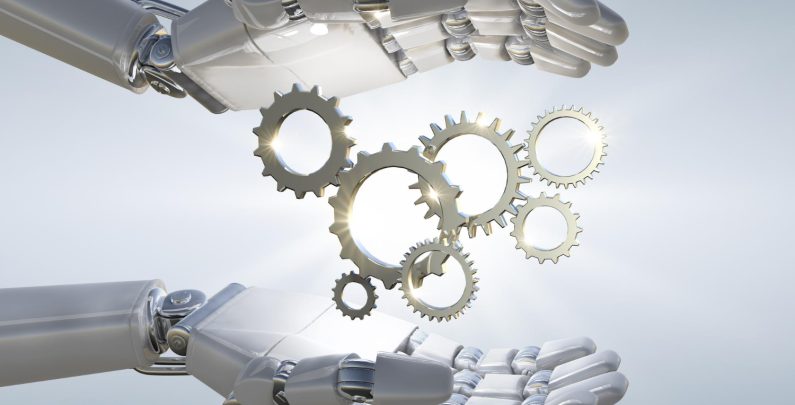
  • Advanced Robotics: Automation of production processes through collaborative robots that improve efficiency and reduce downtime.
  • Process Digitalisation: Integration of cloud platforms and data-driven solutions that optimise operations and facilitate strategic decisions.

These technologies, applied synergistically, transform industrial production and create a competitive advantage in the global market.

Impact and benefits for businesses

Technological innovations are revolutionising not only production processes, but also the way companies prepare for the future. The adoption of new technologies brings with it multiple benefits, such as:

  • Operational Efficiency: Automation reduces errors, lowers costs and increases overall productivity.
  • Sustainability: Innovative technologies enable more responsible resource management, contributing to sustainability goals and reducing environmental impact.
  • Competitiveness: Investing in digital solutions allows companies to adapt quickly to market developments and consolidate their position.

This integrated approach promotes a profound transformation which, if well planned, can lead to tangible and lasting results.

Investing in the future, our vision

Looking ahead, we believe that investment in technological innovation must be at the heart of corporate strategy. At ST2 S.r.l., we are committed to supporting businesses on their journey towards complete digitalisation, offering personalised consulting and tailor-made solutions. Continuous training and constant updating are fundamental pillars for facing future challenges and ensuring a smooth transition to increasingly automated processes.

Technological innovations for a growing future

Technological innovations for industry are the key to a future full of opportunities and growth. By adopting targeted strategies and investing in cutting-edge technologies, companies can turn challenges into competitive advantages. ST2 S.r.l. supports its customers in this transformation process, convinced that the synergy between innovation and tradition is the secret to successfully facing the industrial future. It can optimise operations, reduce risks and improve competitiveness in the long term.
READ MORE

Industrial automation 2025: targets for a year of growth

2025 is shaping up to be a crucial year for the industrial sector, where automation will be key to unlocking new growth potential. In a context of rapid technological evolution, companies are being called upon to rethink their processes, investing in innovative solutions to remain competitive and optimise operations.

follow the blog!

Strategic investments in industrial automation for 2025

To meet the challenges of 2025, it is essential to plan targeted investments in key technologies. IoT solutions enable the installation of smart sensors and real-time monitoring systems, which are essential for collecting valuable data. Artificial intelligence, through advanced algorithms, supports predictive analytics and informed decisions, while robotics and process automation, thanks to collaborative robots and automated systems, help increase productivity. These investments dramatically reduce downtime, increase operational accuracy and optimise the use of company resources.

Optimisation of production processes

Adopting a data-driven approach is essential for transforming production processes. By carefully analysing operational flows, companies can identify and overcome bottlenecks, improve the quality of the final product and make the production environment more agile and responsive. This combination of technology and analysis promotes continuous innovation and delivers tangible results in terms of efficiency and competitiveness.

Technological integration and training

Integrating new technologies with existing infrastructure requires ongoing training. Investing in specialist training means preparing staff to use new digital solutions effectively, promoting a corporate culture focused on innovation. This training programme is crucial to ensuring a smooth and sustainable transition to automated processes, combining the potential of technology with the expertise of human capital.

Industrial automation for growth in 2025

Industrial automation is not only a response to current challenges, but also the foundation on which to build a year of growth and development in 2025. Planning targeted investments and optimising production processes are essential steps in transforming challenges into concrete opportunities. With a clear strategy and the adoption of the most advanced technologies, companies will be able to consolidate their position in the global market, preparing for an increasingly competitive and innovative future. Industrial plants are a strategic decision that must consider a number of critical factors to ensure the success of the operation.

Reliability, compatibility, scalability, security, performance and support are just some of the aspects that should guide the choice of system. Only a careful assessment of these requirements will enable companies to make an investment that can optimise operations, reduce risks and improve competitiveness in the long term.
READ MORE

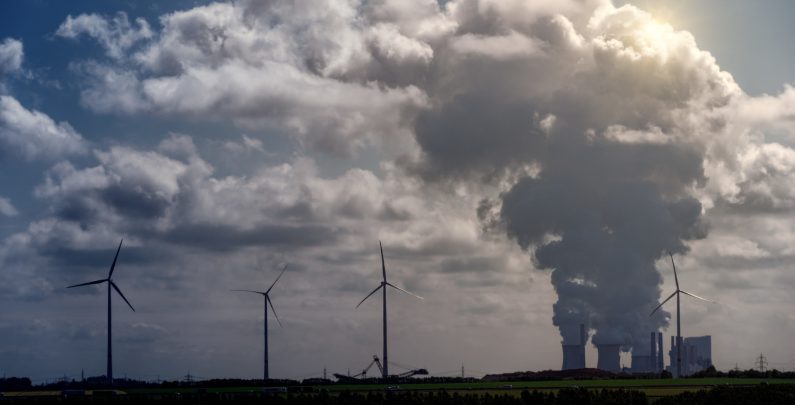
Energy Transition in Industrial Plants, challenges and opportunities

La transizione energetica è un tema cruciale per l’industria moderna, spinta dalla necessità di ridurre le emissioni di carbonio e migliorare l’efficienza energetica. Con normative europee sempre più stringenti, gli impianti industriali devono adottare strategie innovative per ridurre l’impatto ambientale e ottimizzare il consumo di risorse. In questo articolo esploreremo le principali sfide e opportunità legate alla transizione energetica nel settore industriale.

segui il nostro blog!

Le sfide della transizione energetica negli impianti industriali

1. Adeguamento alle Normative Europee

L’Unione Europea ha fissato obiettivi ambiziosi per la riduzione delle emissioni di CO2, con regolamenti come il Green Deal e il Fit for 55. Le aziende devono investire in soluzioni conformi alle nuove direttive, come l’adozione di tecnologie a basse emissioni e l’ottimizzazione dei processi produttivi.

2. Costi di Implementazione

L’adozione di tecnologie sostenibili richiede investimenti iniziali significativi. L’installazione di impianti fotovoltaici, l’efficientamento energetico dei macchinari e l’implementazione di sistemi di monitoraggio smart possono rappresentare una sfida economica, soprattutto per le PMI.

3. Integrazione con Sistemi Esistenti

Molti impianti industriali operano con tecnologie obsolete, rendendo complessa l’integrazione di nuove soluzioni energetiche. L’adozione di sistemi ibridi o la conversione verso fonti rinnovabili deve essere gestita in modo strategico per garantire continuità operativa.

The Opportunities of Energy Transition

1. Compliance with European Regulations

The European Union has set ambitious targets for CO2 reduction through frameworks like the Green Deal and Fit for 55. Companies must invest in solutions that comply with these directives, such as adopting low-emission technologies and optimizing production workflows.

2. Enhanced Efficiency and Productivity

Integrating digital solutions for consumption monitoring allows for precise control of energy usage. The application of IoT and Big Data helps identify optimization areas and eliminate systemic inefficiencies.

3. Access to Incentives and Funding

Numerous incentive programs exist at both national and European levels for companies investing in sustainable energy. Tools like White Certificates and various recovery funds provide essential financial support for green initiatives.

4. Competitive Advantage and Corporate Sustainability

Investing in the Energy Transition boosts market reputation, meeting the growing demand for sustainability from clients and investors. Sustainability is no longer just a legal obligation; it is a value proposition that drives long-term success.

Strategies for a Sustainable Future

The transition toward greener industrial plants is a complex but rewarding journey. With proper planning and the adoption of advanced technologies, companies can improve efficiency, slash costs, and position themselves as leaders in the global market. Investing today in innovative energy solutions means building a more resilient and competitive industrial future.

Contact us today to design your roadmap for industrial energy transition!

READ MORE
Ingegneria e Automazione

Engineering and Automation for the Industry of Tomorrow

The global industrial sector is in a state of profound transformation, characterized by increasing digitalization, automation, and a radical shift toward sustainability. The “Industry 4.0” concept—marking the integration of AI, IoT, robotics, and Big Data—is now a reality driving the 21st-century industrial revolution. In this context, Engineering and Automation play a crucial role in shaping the industry of the future, ensuring production processes are more efficient, intelligent, and environmentally friendly.

The Role of Engineering in Tomorrow’s Industry

Engineering is at the heart of this transformation. Engineers are called to design and implement innovative solutions that not only improve performance but optimize the entire lifecycle of industrial processes.

  • Complex Systems Engineering: Designing integrated systems that combine diverse technologies to improve operational efficiency.
  • Green Engineering: Designing processes that reduce environmental impact through renewable energy, material recycling, and waste reduction (Circular Economy).
  • Digital Engineering: Using advanced mathematical models and augmented reality for predictive maintenance and process design.

segui il nostro blog!

Automation and AI: The New Frontier

What does “automation” truly mean for the industry of the future?

  • Advanced Robotics and Cobots: Collaborative robots designed to work alongside humans, handling repetitive tasks while humans focus on high-competence supervision.
  • Artificial Intelligence and Machine Learning: Systems that learn from sensor data to make autonomous decisions, optimizing production and identifying failures before they occur.
  • Internet of Things (IoT): Connecting machinery through smart sensors to monitor equipment health in real-time and create “smart” industrial plants.

Digital Transformation: The Digital Twin

Digitalization is the key. One of the most significant innovations is the Digital Twin: a virtual replica of a product or system that allows for real-time monitoring and simulation, reducing operational risks and optimizing resources. Cloud platforms and Blockchain further enhance transparency and control across the entire supply chain.

automazione e dell’ingegneria

Challenges and Opportunities

The primary challenge is integration: harmonizing new technologies with existing infrastructures. This requires significant investment in cybersecurity and a shift in workforce skills. As manual tasks are automated, the demand for professionals in AI, robotics, and Big Data management grows. However, the opportunities are vast. Engineering and Automation can reduce costs, improve quality, and foster the transition toward sustainable industrial models, securing a competitive position in the global market.

Conclusion

Engineering and Automation are the heart of future industrial transformation. The goal is to design systems that are intelligent, resilient, and sustainable. Tomorrow’s industry will not only be more efficient but also more ethical and green, guided by the innovation of this new era.

Contact us today to lead your business into the future of industrial innovation!

READ MORE

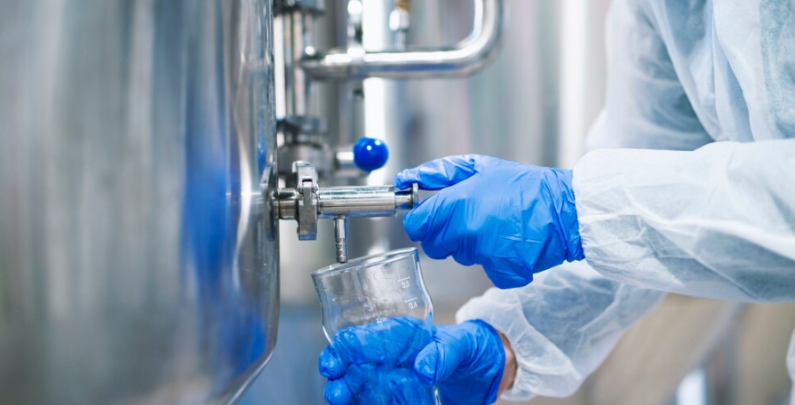
Industrial Water Treatment: High-Efficiency Oil & Gas Solutions

The energy sector faces a critical challenge: managing the massive volumes of water generated during extraction. Industrial Water Treatment has evolved from a simple regulatory necessity into a sophisticated engineering discipline. In the oil industry, produced water emerges as a complex byproduct containing hydrocarbons, salts, and heavy metals—contaminants that demand advanced purification to protect our ecosystems.

To ensure environmental compliance and operational efficiency, implementing a robust Industrial Water Treatment strategy is no longer optional. In this article, we explore the cutting-edge technologies that are redefining how the industry manages this vital resource.

Physical Separation: The First Line of Defense

The initial phase of Industrial Water Treatment involves physical separation. Gravitational separation utilizes density differences between water and oils, often through high-efficiency separators. This is complemented by mechanical separation, using specialized filters and settlers to remove suspended solids, ensuring the water is prepared for more intensive purification stages.

Trattamento delle acque nell'industria

Advanced Oxidation Processes (AOP)

When dealing with persistent organic pollutants, traditional methods fall short. Modern Industrial Water Treatment now frequently employs Advanced Oxidation Processes. By using UV light, ozone, or chemical reagents like chlorine dioxide, these systems accelerate the decomposition of toxic compounds, breaking them down into harmless substances at a molecular level.

High-Performance Membrane Technologies

Membrane systems are the “gold standard” for precision in Industrial Water Treatment. Technologies such as Reverse Osmosis (RO), nanofiltration, and ultrafiltration utilize semi-permeable barriers to isolate contaminants based on size and molecular charge. These systems are highly scalable and can be engineered to meet the strictest discharge or reuse standards.

Specialized Solvent Extraction and Biological Recovery

For specific hydrocarbon recovery, solvent extraction offers a targeted approach, though it requires precise chemical management. On the other end of the spectrum, biological treatment leverages the power of nature. By using bioreactors, we create controlled environments where microorganisms metabolize organic pollutants, offering a sustainable path for large-scale Industrial Water Treatment.

Engineering a Sustainable Future

Efficient Industrial Water is the cornerstone of responsible oil and gas production. By integrating technologies like membrane filtration and advanced oxidation, companies can transform a waste stream into a managed resource. At ST2, we believe that continuous innovation in water engineering is the only way to balance industrial growth with environmental stewardship.

Contact us today!

READ MORE