WHCP, the heart of pneumohydraulic automation

In an industry such as oil and gas, where safety and reliability are paramount, Wellhead Control Panels (WHCP) are a crucial element for plant control and safety. These integrated systems combine electrical, pneumatic and hydraulic circuits to manage safety and control valves in wellheads, both onshore and offshore.

follow the blog!

Functionality and importance of WHCPs

WHCPs are designed to monitor and control critical valves such as SCSSVs, masters, wings, chokes, ESDs and HIPPS. Their ability to operate in extreme conditions, with pressures up to 1,379 bar (20,000 PSI) and variable temperatures, makes them indispensable for ensuring the safety and operational efficiency of plants.

Advanced technical features

  • Certified safety: Components comply with SIL2 and SIL3 standards according to IEC 61508:2010, ensuring high levels of functional safety.
  • High-quality materials: Made of AISI316 stainless steel, WHCPs offer corrosion resistance and durability.
  • Modular design: Available in single or multi-well versions, with removable modules for easy maintenance.
  • Diverse power supply systems: Can be powered electrically, pneumatically or by gas from the well.
  • Remote and local control: Can be integrated with PLC, DCS, SCADA and RTU systems for efficient monitoring and control.

Applications in critical environments

WHCPs are essential in environments where operating conditions are particularly harsh, such as offshore installations, deserts or arctic regions. Their design allows installation in ATEX and IECEx classified areas, ensuring operation even in the presence of hazardous gases such as H₂S.

Customisation and innovation

WHCP solutions can be customised to meet specific requirements, including features such as:

  • Advanced shutdown systems: Implementation of ‘first out’ logic to quickly identify the cause of a shutdown.
  • Separate accumulator: Dedicated skids for accumulators, equipped with boosters for high-pressure recharging.
  • Green technologies: Low energy consumption design, compatible with power supply via photovoltaic panels.
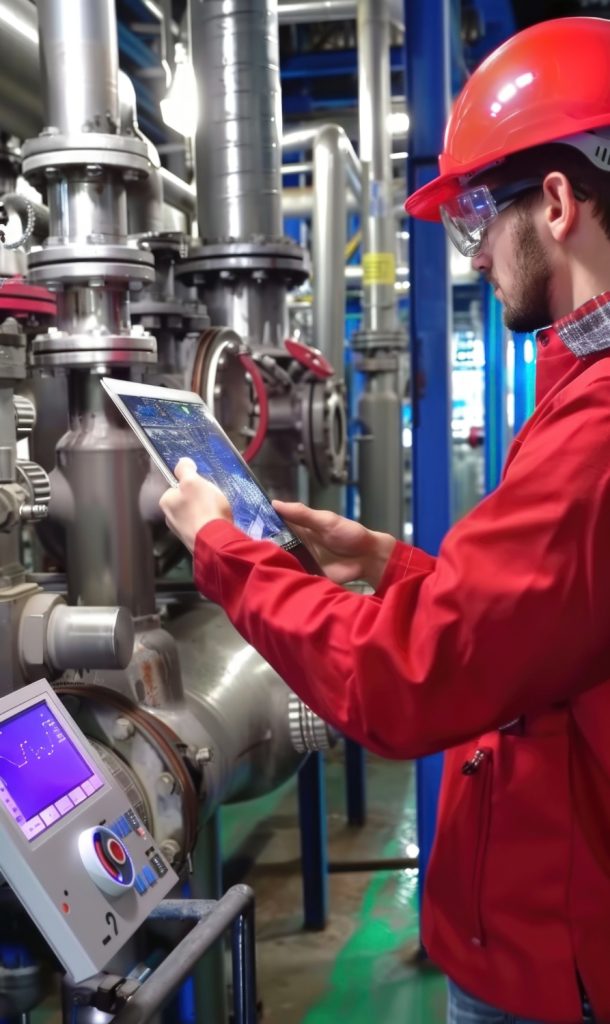
WHCP for improved safety

Wellhead Control Panels are a fundamental component for the safety and efficiency of oil & gas facilities. Their ability to operate in extreme conditions, combined with the possibility of customisation and integration with advanced control systems, makes them indispensable for tackling the most critical operational challenges.

To learn more about WHCP solutions and discover how they can be integrated into your facilities, please contact ST2 Ltd.
READ MORE
risorse idriche

Control and monitoring systems for water resources

Efficient water management is essential to ensure environmental sustainability and the smooth running of cities and industries. Water is a vital resource, but its availability and quality are increasingly threatened by factors such as climate change, pollution and rising demand. In this context, automation and advanced monitoring are essential tools for optimising water management, reducing waste and improving operational efficiency. At ST2 Ltd, we offer cutting-edge control and monitoring solutions for water treatment and management, meeting the needs of efficiency, safety and sustainability.

follow the blog!

Process automation, the crucial role of control systems

Water management, both in urban and industrial settings, requires precise control of water flow, quality and pressure. An automated control system allows all these parameters to be constantly monitored and adjusted in real time, ensuring fair and safe water distribution. Our advanced systems use smart sensors to detect any changes in key parameters, such as pH, temperature, dissolved oxygen level, and turbidity, which could indicate anomalies or risk situations.

Furthermore, the integration of control systems allows for optimised resource management, reducing energy consumption and water losses, and improving the reliability and durability of water infrastructure. This is particularly important in a context where water is an increasingly scarce and precious resource.

Remote monitoring and real-time control

Automation offers the advantage of remote monitoring, allowing water management systems to be monitored from anywhere, at any time. Using IoT (Internet of Things) technologies, data from sensors is collected and sent to centralised platforms that process the information in real time, allowing managers to intervene quickly when necessary.

This type of monitoring is particularly useful for cities, where water resource management involves complex and extensive networks. For example, thanks to automated systems, it is possible to identify leaks in pipes in real time, optimise consumption and prevent water shortages in specific areas, significantly reducing the risk of service interruptions.

Automation for water resource management

In water treatment, automation is essential to ensure that wastewater is treated effectively and that drinking water remains safe and of high quality. Our water treatment automation systems can automatically monitor and regulate filtration, disinfection and purification processes, ensuring compliance with environmental and regulatory standards.

In addition, the use of advanced technologies such as predictive maintenance allows the health of equipment and infrastructure to be monitored, reducing downtime and improving operational efficiency. This helps to reduce operating costs and increases the longevity of treatment plants.

Benefits of control and monitoring systems

Adopting automated solutions for controlling and monitoring water resources brings numerous benefits:

  1. Greater operational efficiency: Automated control systems allow for better management of water flows, improving efficiency and reducing waste.
  2. Continuous monitoring and fault prevention: With real-time monitoring systems, leaks or problems in water systems can be detected immediately, allowing action to be taken before significant damage occurs.
  3. Sustainability and energy savings: Optimising water use contributes to more sustainable management by reducing energy consumption and water loss.
  4. Regulatory compliance: Automated systems ensure that operations always comply with local standards and regulations, improving water quality and safety.

The future of water resource management

The water management sector is constantly evolving, and technology plays an increasingly important role in improving efficiency and sustainability. Automated solutions, such as advanced monitoring systems and IoT integration, are the future of water management, enabling cities and industries to address the challenges of water scarcity and climate change.

At ST2 Ltd, we are committed to providing innovative solutions for water resource management, offering monitoring and control technologies that optimise every stage of the process, from distribution to purification. With our experience and expertise, we help our customers ensure safe, efficient and sustainable water management.

Contact us today to find out how we can optimise your industrial processes and take your business into the future of automation.

READ MORE

Edge Computing revolutionises automation

In the world of industrial automation, the expansion of the IoT and the need for timely decisions are driving companies to seek increasingly innovative solutions. Edge computing, which allows data to be processed directly on site, is emerging as a key technology for reducing latency and improving the efficiency of production processes. In this article, we analyse how edge computing is revolutionising the industry, illustrating the benefits, challenges and best practices for its effective implementation.

follow the blog!

What is edge computing?

Edge computing is based on the concept of moving data processing from the cloud to devices located close to the data source. In practice, instead of sending all information to a remote data centre, smart devices process data on site, enabling near real-time decisions. This approach is particularly useful in industrial environments, where every millisecond counts to ensure smooth and safe operations.

Benefits of edge computing in industrial automation

Its adoption offers numerous advantages:

  • Reduced Latency: Local processing drastically reduces response times, enabling immediate interventions and more responsive operations.
  • Greater Data Security: Managing data on site limits the risk of interception and cyber attacks, improving the overall security of the system.
  • Operational Efficiency: Rapid access to information allows for the optimisation of production processes, reducing machine downtime and operating costs.
  • Scalability and Flexibility: Edge computing solutions easily adapt to the specific needs of the industrial environment, supporting modular expansion without compromising performance.

These benefits make edge computing an indispensable tool for those who want to digitally transform their industrial plant, ensuring a high level of competitiveness in the global market.

Challenges and best practices

Despite the advantages, adopting edge computing also presents challenges. Integration with legacy systems, security management, and the need for constant maintenance are obstacles that must be overcome. To implement effectively, companies should consider certain best practices:

  • Requirements Analysis: Carefully evaluate production processes to identify areas where local processing can offer concrete benefits.
  • Gradual Integration: Adopt a step-by-step approach, integrating in line with the evolution of existing technologies.
  • IT Security: Implement robust cybersecurity measures to protect locally processed data, ensuring operational continuity.
  • Constant Monitoring: Use analytics tools to monitor performance and identify any critical issues, enabling timely intervention.

Adopting these strategies not only facilitates the transition to a more advanced digital environment, but also ensures that investment in edge computing delivers tangible and lasting results.

The new standard for data processing

Edge computing represents the new standard for real-time data processing in industrial automation. With the ability to reduce latency, increase security and optimise production processes, this technology offers companies a competitive advantage in an ever-changing market. For ST2 S.r.l., embracing edge computing means investing in cutting-edge solutions that transform complexity into opportunities for growth and innovation.

Investing today is the key to operating efficiently and securely, preparing for tomorrow’s challenges.

READ MORE

How the IoT is changing plant management

The Internet of Things (IoT) is revolutionising the industrial sector, offering advanced solutions for predictive maintenance. Thanks to smart sensors, real-time data analysis and artificial intelligence, industrial plants can proactively monitor their equipment, preventing breakdowns and reducing operating costs. In this article, we will explore the challenges and opportunities associated with IoT-based predictive maintenance.

follow the blog!

What is predictive maintenance?

Unlike corrective maintenance, which only intervenes after a failure, and preventive maintenance, which is based on periodic checks, predictive maintenance uses data collected in real time by sensors to identify anomalies and predict malfunctions before they occur. The goal is to minimise downtime and optimise the use of resources.

The role of IoT in predictive maintenance

The Internet of Things plays a key role in predictive maintenance, enabling the continuous collection and analysis of data from plants. Through advanced sensors, cloud connectivity and artificial intelligence algorithms, companies can obtain detailed information on the status of machinery and intervene before a failure occurs.

1. Smart Sensors for Real-Time Monitoring

IoT sensors installed on equipment detect parameters such as temperature, vibrations, pressure and energy consumption. Any abnormal variation in these values may indicate an imminent problem, allowing targeted interventions to be planned before the fault becomes critical.

2. Data Analysis and Machine Learning

Data analysis technologies enable large amounts of raw information to be transformed into useful predictions. Machine learning algorithms analyse operating patterns and identify anomalies, providing a predictive view of the status of industrial equipment.

3. Cloud Connection and Remote Access

Thanks to cloud integration, the data collected can be analysed in real time and accessed from any connected device. This allows technicians to monitor the efficiency of the systems even remotely, reducing the need for frequent physical inspections.

Benefits of predictive maintenance

Reduced Maintenance Costs

One of the main benefits of IoT in predictive maintenance is cost savings. Preventing breakdowns means avoiding high repair costs and minimising downtime, which has a positive impact on business productivity.

Greater Plant Reliability

Constantly monitoring the operating conditions of equipment improves plant reliability. More efficient maintenance management translates into fewer unexpected events and improved workplace safety.

Energy Efficiency and Sustainability

Optimising maintenance processes not only reduces operating costs but also contributes to environmental sustainability. A well-maintained plant consumes less energy and generates less waste, aligning itself with the ecological transition objectives required by European regulations.

Implement a predictive maintenance system

Adopting a predictive maintenance system requires a strategic approach and targeted investments. Companies need to equip themselves with IoT sensors, data analysis platforms and advanced management systems to fully exploit the benefits of this technology. Collaborating with industry experts and adopting a gradual strategy allows for optimised integration without impacting daily operations.

IoT for industrial plant management

Predictive maintenance, enabled by the IoT, represents a revolution in industrial plant management. Real-time monitoring, predictive analysis and resource optimisation enable companies to reduce costs, improve efficiency and ensure greater plant reliability. Investing in these technologies today means building a smarter, more sustainable and efficient industrial future.

READ MORE