Digital Twin Pre-Progettazione

Digital Twin in Pre-Engineering, Optimizing CapEx Feasibility

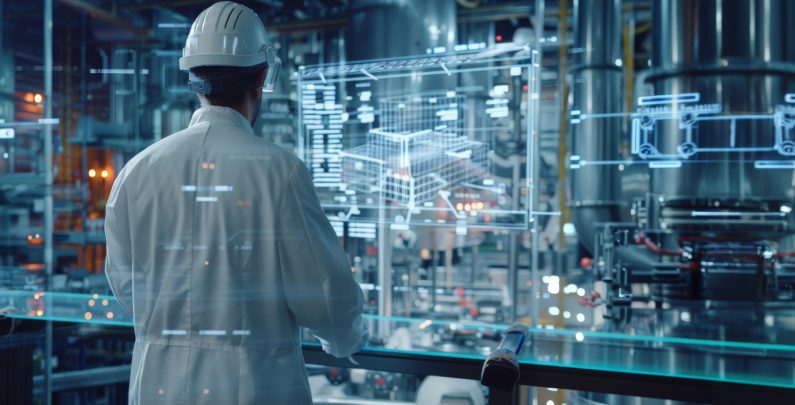
CapEx investments in the Energy and Oil & Gas sectors are high-risk, and the Feasibility Study is the phase that determines 70% of the lifecycle costs. To transform uncertainty into certainty, ST2 Srl integrates the Digital Twin in Pre-Engineering.

We are not just talking about 3D modeling, but a sophisticated behavioral and operational simulation that allows us to virtually “test” the plant. In this way, we address engineering criticalities when the cost of modification is virtually zero.

Per scoprire i nostri servizi, clicca qui

The ST2 Methodology: Testing the Impossible

Our multidisciplinary methodology creates a dynamic model (Digital Twin) that simulates real-time interactions between systems. This allows us to apply predictive analysis in the most critical areas:

  • Electrical Loads: Optimizing the sizing of transformers and cables, avoiding over-specification, and testing grid stability under extreme conditions.
  • Process Flows: Simulating complex operational scenarios and identifying hydraulic or thermodynamic bottlenecks that would delay commissioning.
  • Ergonomics and Maintenance: Validating layouts for access, safety, and operability—essential for reducing future operating costs (TCO).

Strategic and Financial Benefits

Adopting a Digital Twin in Pre-Engineering translates into direct financial benefits for our clients:

  1. Reduced Redesign Risk: We identify and resolve inconsistencies between disciplines (electrical, instrumental, process) before they become costly errors on the construction site.
  2. Increased CapEx Accuracy: We provide more reliable and detailed cost estimates thanks to precise equipment sizing.
  3. TCO (Total Cost of Ownership) Optimization: A plant optimized from the start operates with higher energy efficiency and requires less complex maintenance over time.

Choose ST2 for Digital Twin in Pre-Engineering

In a market that admits no waste, choosing predictive simulation is a strategic decision. ST2 Srl transforms your project idea into a virtual, tested operational model. Choose the Digital Twin in Pre-Engineering for lasting success and a TCO under control from the very beginning.

Contact us today to optimize your next CapEx investment!

READ MORE
Costo Totale di Possesso

Total Cost of Ownership (TCO): The Key to Winning Industrial Tenders

In the Oil & Gas and Energy industries, the era when tenders were won solely by offering the lowest list price is over. Today, clients seek partners who do not just deliver a plant, but who guarantee the efficiency and sustainability of operations throughout the entire asset lifecycle. The metric that has revolutionized this paradigm is the Total Cost of Ownership (TCO).

Understanding and demonstrating the ability to reduce the Total Cost of Ownership (TCO) is the secret weapon for securing strategic contracts. It is no longer just about how much it costs to build, but how much it will cost to manage the plant over the next 20 years.

To discover our services, click here

Beyond the Initial Price: Defining Industrial TCO

The Total Cost of Ownership (TCO) is the sum of all costs incurred for an asset, from purchase to decommissioning. For an electrical and instrumental plant, TCO consists of four main components:

  1. Initial Cost (CapEx): Engineering, procurement, and installation.
  2. Operating Costs (OpEx): Energy consumption and personnel.
  3. Maintenance Costs: Repairs, spare parts, and downtime.
  4. Risk Costs: Accidents and regulatory non-compliance.

In the Energy and Oil & Gas sectors, the real economic impact lies in the long term: one hour of plant downtime can cost hundreds of thousands of dollars. Therefore, a design aimed at minimizing TCO is a superior value proposition compared to a simple saving on component purchases.

Strategic Engineering Reduces TCO from the Design Phase

ST2’s expertise lies in making electrical and instrumental design an active driver in reducing the Total Cost of Ownership (TCO).

1. Electrical Optimization for Energy Efficiency

Technical choices made during the study phase have repercussions on energy consumption. Through multidisciplinary engineering, we select high-efficiency components, such as Variable Frequency Drives (VFDs) and premium efficiency motors, which significantly reduce long-term operating costs. These interventions, while potentially increasing the initial cost slightly, guarantee a rapid ROI and a significantly lower TCO.

2. Instrumentation for Reliability

Instrumentation is the backbone of process control. We choose only robust, long-lasting measuring instruments (pressure, temperature, flow sensors) that require less frequent calibration and maintenance. Fewer interventions = lower maintenance costs and, above all, less risk of failure and unexpected interruptions.

Costo Totale di Possesso

Automation and Predictivity: The Heart of Optimized TCO

The real revolution in reducing Total Cost of Ownership (TCO) comes from the integration of advanced automation systems:

  • Predictive Maintenance: Integrating smart sensors and SCADA/PLC systems from the design phase enables predictive maintenance. This eliminates costly surprise breakdowns—the number one enemy of TCO—transforming emergency repairs into planned, cost-effective interventions.
  • Risk Mitigation: Control systems and instrumentation designed for maximum safety reduce operational risks and the insurance costs associated with potential accidents.

By presenting a bid that not only lists material costs but also quantifies expected savings in terms of energy and maintenance through these automation solutions, we provide the client with a complete and winning financial perspective.

Conclusion

Today, Total Cost of Ownership (TCO) is the language of excellence. Companies that, like ST2, can translate their engineering and automation expertise into lower operational risk and higher long-term efficiency are destined not only to win tenders but to become strategic partners for the future of energy.

Contact us today to optimize the TCO of your next industrial project!

READ MORE
Collaudo e Ispezione (T&I)

Testing and Inspection (T&I) Services for Industry

In the industrial plant engineering sector, every successful project is built on reliable components and rigorous verification processes. The Testing and Inspection (T&I) service plays a key role in this journey, ensuring that every supply meets the required technical standards before field installation.

ST2 S.r.l., a company specializing in process engineering, automation, and industrial plants, offers its clients a comprehensive and highly qualified T&I service at supplier premises or directly on-site, both in Italy and abroad.

To discover our services, click here

What is Testing and Inspection (T&I)?

Testing and Inspection (T&I) refers to the set of technical activities aimed at verifying the compliance of materials, components, and electrical and instrumental systems before delivery or installation. This phase allows for:

  • Validating component quality against contractual specifications.
  • Detecting anomalies or defects before shipping.
  • Reducing risks of plant downtime or on-site modifications.
  • Ensuring alignment between design and supply.

It is a strategic activity, especially in complex projects where any error can generate significant delays or additional costs.

ST2’s T&I Service: Our Approach

ST2 supports clients in the complete management of Testing and Inspection (T&I) activities, deploying qualified technical personnel and certified verification tools. Our intervention is scheduled in coordination with suppliers to ensure timely and transparent control. Our activities include:

  • Visual inspection and functional verification of electrical panels, instruments, valves, and sensors.
  • Execution of electrical and mechanical tests according to IEC and CEI standards.
  • Technical documentation and certification review.
  • Drafting of minutes and test reports.
  • Assistance during FAT (Factory Acceptance Test) and SAT (Site Acceptance Test).

The entire process is documented and shared with the client to guarantee maximum traceability and reliability.

Sectors of Operation

Our Testing and Inspection (T&I) service is designed for companies operating in high-complexity sectors, including:

  • Oil & Gas
  • Energy and Power Generation
  • Chemical and Pharmaceutical Industry
  • Water Treatment Plants
  • Process Automation

Thanks to our cross-sector experience, we can manage everything from small instrumental supplies to complete LV/MV electrical systems.

[Image showing a FAT (Factory Acceptance Test) procedure in a specialized workshop]

Why Choose ST2 for Testing and Inspection (T&I)

Partnering with ST2 means having a technical ally capable of preventing problems before they turn into costs. Testing and Inspection (T&I) is not just a technical procedure: it is a key step to ensure reliability, safety, and performance. Investing in well-executed T&I reduces commissioning times and ensures that every component arrives on-site ready to perform.

Contact ST2 today for professional support from the very beginning of your project!

READ MORE
ingegneria di Gara

Bid Engineering, Technical Expertise for Winning Tenders

In the context of industrial engineering and process plants, technical documentation for tenders is much more than a mandatory step. It is a strategic lever that can determine the outcome of a bid, decisively influencing the perceived technical value of the offer.

For this reason, ST2 S.r.l. supports companies in preparing all necessary technical components, offering a comprehensive Bid Engineering service capable of transforming technical expertise into a concrete competitive advantage.

To discover our services, click here

What is Bid Engineering and Why Does It Matter?

Bid Engineering consists of preparing the design documentation required during the tendering phase: not just diagrams and drawings, but also estimates, analyses, timelines, and fundamental technical details to ensure the offer’s validity.

This phase typically includes:

  • Preliminary studies and plant layouts.
  • Functional technical specifications.
  • Cost and material estimates (MTO – Material Take Off).
  • Technical schedules and project milestones.

Its goal is twofold: to respond precisely to the call for tenders and to communicate reliability, competence, and project vision.

The ST2 Method: Experience and Reliability

With experience dating back to the 1980s in industrial engineering, ST2 manages every phase of technical tender documentation with an integrated and result-oriented approach.

Our engineers work closely with the client’s technical and commercial teams to transform the contracting authority’s requirements into a concrete, well-documented proposal consistent with the company’s real operational capabilities. All solutions are studied to be technically and economically competitive, aiming to anticipate potential criticalities and increase the probability of award.

ingegneria di Gara

The ST2 Method: Experience and Reliability

With experience dating back to the 1980s in industrial engineering, ST2 manages every phase of technical tender documentation with an integrated and result-oriented approach.

Our engineers work closely with the client’s technical and commercial teams to transform the contracting authority’s requirements into a concrete, well-documented proposal consistent with the company’s real operational capabilities. All solutions are studied to be technically and economically competitive, aiming to anticipate potential criticalities and increase the probability of award.

Areas of Application

ST2’s Bid Engineering services are applied across numerous sectors, including:

  • Industrial process plants (Oil & Gas, Chemical, Pharmaceutical).
  • Electrical and instrumental engineering.
  • Automation and control systems.
  • Complex industrial infrastructures.

We are active in both public tenders and private bids, with specific skills that adapt to every type of plant and technical regulation.

Why Invest in High-Quality Technical Documentation?

Well-structured technical documentation does more than satisfy formal requirements; it highlights the real value of the proposal. In high-competition environments, the best price is not enough. A convincing, solid, and well-presented technical design is required.

Bid Engineering is today a true strategic asset:

  1. Conveys Reliability: Shows the client you understand the project’s complexity.
  2. Reduces Risk: Minimizes the chance of exclusion due to technical non-compliance.
  3. Clarity: Offers a clear vision of how the company will execute the project.

Contact Us for Comprehensive Support

ST2 is the ideal partner for companies looking to participate in tenders with impeccable technical documentation. We offer tailor-made support, from the study phase to the final delivery of documents.

📧 info@st2srl.com
🌐 www.st2srl.com

Contact ST2 Srl today for professional support from the very start of your design process!

READ MORE

How the IoT is changing plant management

The Internet of Things (IoT) is revolutionising the industrial sector, offering advanced solutions for predictive maintenance. Thanks to smart sensors, real-time data analysis and artificial intelligence, industrial plants can proactively monitor their equipment, preventing breakdowns and reducing operating costs. In this article, we will explore the challenges and opportunities associated with IoT-based predictive maintenance.

follow the blog!

What is predictive maintenance?

Unlike corrective maintenance, which only intervenes after a failure, and preventive maintenance, which is based on periodic checks, predictive maintenance uses data collected in real time by sensors to identify anomalies and predict malfunctions before they occur. The goal is to minimise downtime and optimise the use of resources.

The role of IoT in predictive maintenance

The Internet of Things plays a key role in predictive maintenance, enabling the continuous collection and analysis of data from plants. Through advanced sensors, cloud connectivity and artificial intelligence algorithms, companies can obtain detailed information on the status of machinery and intervene before a failure occurs.

1. Smart Sensors for Real-Time Monitoring

IoT sensors installed on equipment detect parameters such as temperature, vibrations, pressure and energy consumption. Any abnormal variation in these values may indicate an imminent problem, allowing targeted interventions to be planned before the fault becomes critical.

2. Data Analysis and Machine Learning

Data analysis technologies enable large amounts of raw information to be transformed into useful predictions. Machine learning algorithms analyse operating patterns and identify anomalies, providing a predictive view of the status of industrial equipment.

3. Cloud Connection and Remote Access

Thanks to cloud integration, the data collected can be analysed in real time and accessed from any connected device. This allows technicians to monitor the efficiency of the systems even remotely, reducing the need for frequent physical inspections.

Benefits of predictive maintenance

Reduced Maintenance Costs

One of the main benefits of IoT in predictive maintenance is cost savings. Preventing breakdowns means avoiding high repair costs and minimising downtime, which has a positive impact on business productivity.

Greater Plant Reliability

Constantly monitoring the operating conditions of equipment improves plant reliability. More efficient maintenance management translates into fewer unexpected events and improved workplace safety.

Energy Efficiency and Sustainability

Optimising maintenance processes not only reduces operating costs but also contributes to environmental sustainability. A well-maintained plant consumes less energy and generates less waste, aligning itself with the ecological transition objectives required by European regulations.

Implement a predictive maintenance system

Adopting a predictive maintenance system requires a strategic approach and targeted investments. Companies need to equip themselves with IoT sensors, data analysis platforms and advanced management systems to fully exploit the benefits of this technology. Collaborating with industry experts and adopting a gradual strategy allows for optimised integration without impacting daily operations.

IoT for industrial plant management

Predictive maintenance, enabled by the IoT, represents a revolution in industrial plant management. Real-time monitoring, predictive analysis and resource optimisation enable companies to reduce costs, improve efficiency and ensure greater plant reliability. Investing in these technologies today means building a smarter, more sustainable and efficient industrial future.

READ MORE

Innovation in the Oil and Gas Transportation System

The energy sector, particularly oil and gas, is undergoing a profound transformation driven by an increasing need for efficiency, safety, and sustainability. Technological innovations are reshaping how energy resources are extracted, transported, and distributed. In particular, the Oil and Gas Transportation System represents one of the industry’s most complex challenges, given the need to manage high volumes across vast distances, often through harsh and hazardous environments. Fortunately, new technologies are significantly improving the safety, reliability, and efficiency of these transport networks.

Automation and Digitalization, the Future of Transport

Automation is playing a fundamental role in improving operational efficiency. Technologies such as remote monitoring systems and smart sensors have become the standard for real-time data analysis. Companies can continuously monitor pipeline conditions, drastically reducing risks associated with leaks or malfunctions.

Furthermore, Artificial Intelligence (IA) and Big Data analytics are being used to predict failures and optimize fuel flow. AI can process vast amounts of data from sensors and surveillance systems to detect anomalies before they escalate into real problems.

Real-Time Monitoring and Leak Detection

One of the most significant innovations involves “smart pipelines” equipped with advanced sensors for leak detection and structural analysis. These sensors, integrated directly into the infrastructure, use the Internet of Things (IoT) to transmit real-time data to centralized control centers. This allows companies to perform preventive maintenance, reducing environmental risks and extending the lifespan of the infrastructure.

Maritime Transport, safer and Sustainable Shipping

Oil tankers and gas carriers are increasingly equipped with advanced navigation systems, such as radar and obstacle detection sensors, alongside emission monitoring solutions. Innovations in propulsion are also reducing environmental impact: the shift to cleaner fuels like LNG (Liquefied Natural Gas) and the adoption of carbon capture technologies are key examples. Additionally, the use of hybrid engines and electric propulsion for smaller vessels is gaining ground.

segui il nostro blog!

Transport in Extreme Conditions: Challenges and Solutions

Evolution in the Oil and Gas Transportation System also concerns efficiency in extreme environments, such as Arctic regions or deep waters. To face these technical challenges, more resilient materials and high-performance insulation systems have been developed. For offshore platforms, the use of underwater drones and autonomous vehicles (AUVs) for monitoring and maintenance is increasing safety by reducing risks for human operators.

sistema di trasporto

Blockchain for Supply Chain Management

Blockchain technology is finding applications in ensuring the traceability of goods along the supply chain. It allows real-time monitoring of every stage of the transport process, from departure to destination, ensuring transparency and reducing the risk of fraud or errors in shipping documentation.

Sustainability and Environmental Impact

Beyond adopting greener ships, there is a concerted effort to develop transport systems that minimize the risk of spills. Technologies for water and hydrocarbon recovery, combined with the use of eco-friendly materials for infrastructure, are significant steps toward a more sustainable future.

Conclusion

The Oil and Gas Transportation System is experiencing accelerated transformation. Automation, real-time monitoring, blockchain, and sustainable solutions are improving safety and transparency. As global energy demand grows, these technological innovations will provide new opportunities to reduce environmental impact and increase infrastructure resilience.

Contact us today to discover how we can innovate your transportation infrastructure!

READ MORE

Oil and Gas Transportation Systems: An In-Depth Analysis

Energy is the engine of the modern world, and oil and natural gas are among the most vital and widely used resources. To move these resources from extraction sites to global markets, Oil and Gas Transportation Systems based on pipelines play a fundamental role. These systems offer numerous advantages over other methods, such as road, rail, or sea transport. However, they also present unique challenges and significant environmental and economic implications.

Efficiency and Reliability: The Pipeline Advantage

Pipelines are renowned for their efficiency and reliability. Compared to trucks or tankers, pipelines can transport vast volumes of oil or gas over long distances more economically and safely. Once operational, they require relatively less maintenance than other transport modes. This efficiency is particularly evident when moving resources from offshore fields or remote regions, where pipelines often prove to be the most practical and cost-effective solution.

Environmental Challenges and Complexities

Despite their benefits, Oil and Gas Transportation Systems via pipelines face significant environmental hurdles. Leaks from damaged pipelines can severely contaminate soil, groundwater, and oceans. Furthermore, the construction of new pipelines can lead to the destruction of sensitive habitats and ecosystem fragmentation, negatively impacting local biodiversity.

Safety and Regulation

Given the hazardous nature of hydrocarbons, the safety of pipeline systems is a top priority. Operators must comply with rigorous safety standards and government regulations to prevent accidents and protect surrounding communities. Regulation often includes requirements for regular maintenance, emergency response procedures, and continuous monitoring to detect leaks or anomalies.

The Future of Transportation Systems

The landscape of Oil and Gas Transportation Systems is constantly evolving, driven by technological innovation and environmental concerns. Recent years have seen increased focus on Liquefied Natural Gas (LNG) pipelines, which offer greater flexibility. Moreover, the adoption of advanced technologies—such as smart sensors and Artificial Intelligence—is enhancing real-time monitoring, reducing accident risks, and improving overall system efficiency.

Engineering a Sustainable Balance

Pipelines are crucial to the global economy, enabling the efficient transfer of vital energy resources. However, it is essential to balance these benefits with a rigorous focus on safety and environmental protection. Through a responsible approach and the adoption of innovative technologies, we can ensure that these systems continue to meet global energy needs sustainably and safely.

Contact us today to optimize your energy transportation infrastructure!

READ MORE
Testa di pozzo

Wellhead Systems, an examination of different Types

The extraction of hydrocarbons, a cornerstone of the oil and gas industry, involves complex processes requiring highly specialized equipment. Among these, Wellhead Systems play a crucial role, providing the structural and pressure-containing interface for drilling and production equipment. They are essential for controlling the flow of fluids from the reservoir to the surface. Let’s examine the primary types used in the sector.

Surface Wellheads

Surface Wellheads
Surface wellheads are located at the top of the well on land or on a platform. They are responsible for the initial flow control of hydrocarbons. These systems must be robust and capable of withstanding extreme environmental conditions. They typically include a series of valves and adapters (the “Christmas Tree”) to prevent accidents during drilling and production.

teste di pozzo

Subsea Wellheads

Installed on the seabed, subsea wellheads are connected to underwater wells through flexible or rigid flowlines. These must be engineered to resist immense water pressure and marine currents. They often feature sophisticated remote control systems (subsea control modules) that allow monitoring and operation from a surface vessel or platform.

Production Wellheads

Used during the active extraction phase, production wellheads manage the flow of oil, gas, and water. They direct these fluids toward treatment and storage systems. These systems are designed to handle high production rates and incorporate choke valves to optimize and regulate the flow according to reservoir pressure.

Workover Wellheads

Workover (or “intervention”) wellheads are employed during maintenance or well stimulation operations, such as directional drilling, well cleaning, or installing auxiliary equipment. They are designed for flexibility and adaptability, often equipped with locking devices to ensure maximum safety during maintenance tasks.

Engineering Operational Safety

In conclusion, Wellhead Systems are vital to the hydrocarbon industry, ensuring the safe management of fluid flow from the subsurface to the surface. Proper design, selection, and maintenance of this equipment are fundamental to operational efficiency and environmental safety in oil and gas activities.

Contact us today to learn more about our engineering solutions for well control!

READ MORE

Acid Gas Treatment Optimization: Sulfur Recovery Techniques

In the oil and gas landscape, controlling acid gas emissions—including sulfur compounds—is crucial for environmental sustainability and regulatory compliance. These gases are produced during various processing stages, posing a significant challenge for operators. However, through advanced Acid Gas Treatment techniques, it is possible to recover sulfur efficiently, reducing environmental impact while maximizing byproduct value.

trattamento dei gas acidi

Acid Gases: Nature and Origin

Before exploring recovery techniques, it is essential to understand the origin of acid gases. These primarily include Hydrogen Sulfide and Sulfur Dioxide, formed during crude oil and natural gas combustion and processing. Their release can cause severe environmental issues, such as soil and water acidification, and poses a direct threat to human health.

Sulfur Recovery Techniques

Chemical Absorption

One of the most widely used techniques in Acid Gas Treatment is chemical absorption. This involves using solvents or alkaline solutions to capture sulfur oxides. Gases pass through an absorption column where the solvent reacts with the sulfur to form soluble compounds. The sulfur-rich solvent is then regenerated, allowing the recovery of elemental sulfur or other valuable compounds.

Adsorption on Porous Materials

This technique utilizes porous materials like activated carbon or zeolites to selectively adsorb sulfur oxides. These materials feature a high surface area that favors the capture of gaseous pollutants. Once saturated, the adsorbents are regenerated through heating, enabling sulfur recovery.

Oxidation Processes

In some scenarios, sulfur oxides can be converted into more easily recoverable compounds via oxidation. For instance, Sulfur Dioxide can be oxidized to Sulfur Trioxide, which is then converted into Sulfuric Acid a high-value product for the chemical industry.

Contact us today to optimize your gas treatment processes!

Engineering a Sustainable Transition

Recovering sulfur from acid gases is a complex technological challenge. However, the evolution of Acid Gas Treatment has made it possible to maximize the recovery of this precious element while minimizing environmental footprints. Industry operators must continue to invest in R&D to improve the efficiency and sustainability of sulfur recovery operations.

READ MORE