Digital Twin Pre-Progettazione

Digital Twin in Pre-Engineering, Optimizing CapEx Feasibility

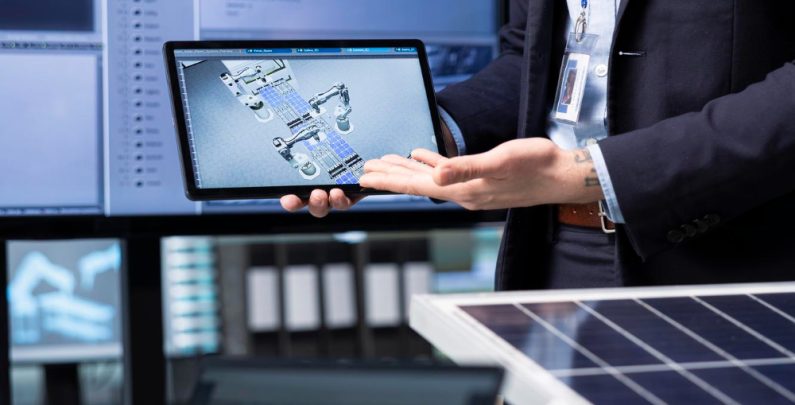
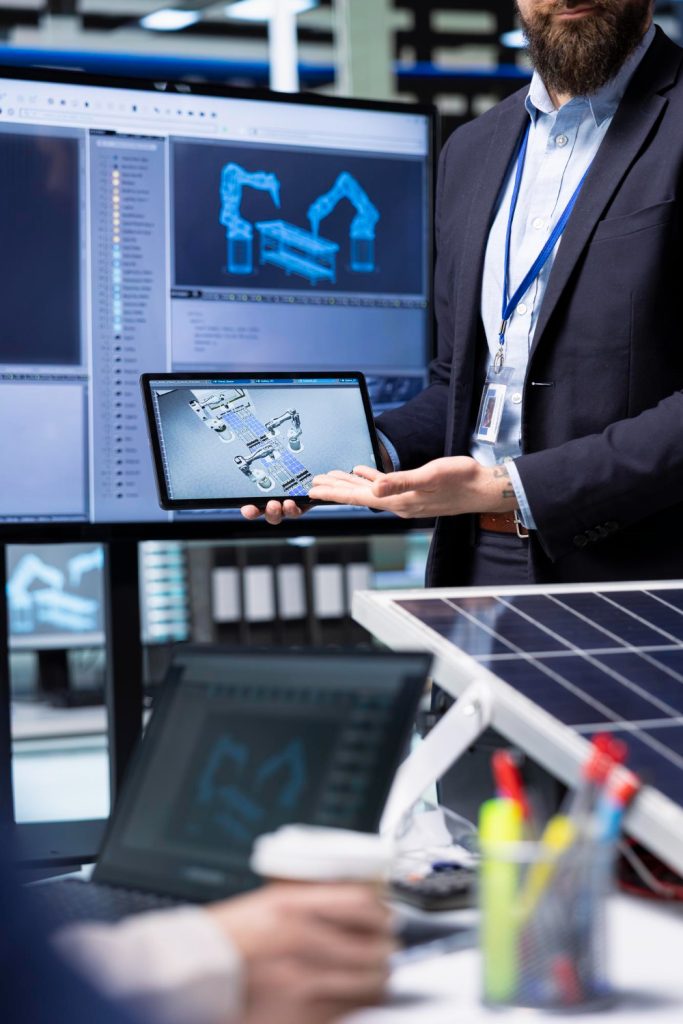
CapEx investments in the Energy and Oil & Gas sectors are high-risk, and the Feasibility Study is the phase that determines 70% of the lifecycle costs. To transform uncertainty into certainty, ST2 Srl integrates the Digital Twin in Pre-Engineering.

We are not just talking about 3D modeling, but a sophisticated behavioral and operational simulation that allows us to virtually “test” the plant. In this way, we address engineering criticalities when the cost of modification is virtually zero.

Per scoprire i nostri servizi, clicca qui

The ST2 Methodology: Testing the Impossible

Our multidisciplinary methodology creates a dynamic model (Digital Twin) that simulates real-time interactions between systems. This allows us to apply predictive analysis in the most critical areas:

  • Electrical Loads: Optimizing the sizing of transformers and cables, avoiding over-specification, and testing grid stability under extreme conditions.
  • Process Flows: Simulating complex operational scenarios and identifying hydraulic or thermodynamic bottlenecks that would delay commissioning.
  • Ergonomics and Maintenance: Validating layouts for access, safety, and operability—essential for reducing future operating costs (TCO).

Strategic and Financial Benefits

Adopting a Digital Twin in Pre-Engineering translates into direct financial benefits for our clients:

  1. Reduced Redesign Risk: We identify and resolve inconsistencies between disciplines (electrical, instrumental, process) before they become costly errors on the construction site.
  2. Increased CapEx Accuracy: We provide more reliable and detailed cost estimates thanks to precise equipment sizing.
  3. TCO (Total Cost of Ownership) Optimization: A plant optimized from the start operates with higher energy efficiency and requires less complex maintenance over time.

Choose ST2 for Digital Twin in Pre-Engineering

In a market that admits no waste, choosing predictive simulation is a strategic decision. ST2 Srl transforms your project idea into a virtual, tested operational model. Choose the Digital Twin in Pre-Engineering for lasting success and a TCO under control from the very beginning.

Contact us today to optimize your next CapEx investment!
READ MORE

Maintenance Data Analysis, the Key to a Proactive Industry

Imagine an industrial plant: everything is running perfectly, then suddenly, an unexpected failure halts production. This is the reactive maintenance model—a traditional approach where action is taken only after the damage is done. Today, however, modern industry is moving toward a smarter, more advantageous alternative: predictive maintenance. This approach relies on Maintenance Data Analysis to prevent failures before they occur.

In this article, we compare these two approaches, revealing why investing in monitoring and analysis technologies is the most strategic choice for long-term success.

segui il nostro blog!

Unforeseen Costs and Downtime

Reactive maintenance is the “fix it when it breaks” philosophy. While it may seem simple and low-cost initially, it hides significant pitfalls. A sudden failure causes unplanned production downtime, leading to supply chain disruptions, lost revenue, and often, high costs for emergency repairs. This model is inefficient, unpredictable, and can even pose risks to worker safety. It is not about managing a process; it is about constantly chasing problems.

The Rise of Predictive Maintenance, from Cost to Investment

Predictive maintenance represents an evolutionary leap. Instead of waiting for a breakdown, this approach is based on the continuous monitoring of equipment conditions. Through the use of sensors, IoT (Internet of Things) devices, and advanced analysis software, real-time data is collected on key parameters such as vibration, temperature, pressure, and energy consumption.

By utilizing Maintenance Data Analysis, early signs of wear or anomalies indicating a potential failure can be identified. This allows maintenance teams to schedule interventions exactly when needed, avoiding both sudden shutdowns and the premature replacement of functioning components.

How Data Analysis Transforms Maintenance

The true power of predictive maintenance lies in the ability to transform a constant flow of data into valuable insights. Machine learning algorithms can analyze vast amounts of historical and real-time data to identify patterns and correlations that the human eye could never catch.

The benefits of Maintenance Data Analysis are clear:

  • Downtime Reduction: Planned interventions drastically reduce unplanned machine stoppages.
  • Cost Optimization: Expensive emergency repairs are avoided, and equipment lifespan is maximized.
  • Enhanced Safety: Preventing failures reduces the risk of accidents related to malfunctions.
  • Increased Efficiency: Maintenance is performed only when necessary, optimizing team resources.
Analisi Dati Manutenzione

A Strategic Choice for Growth

Moving from reactive to predictive maintenance is more than just a technological upgrade: it is a strategic choice that positions a company for future growth. Investing in Maintenance Data Analysis means transforming maintenance from a cost center into a driver for efficiency, safety, and competitiveness. For forward-looking businesses, there is no doubt: data analysis is the engine pushing industry toward smarter, more reliable operations.

Contact us today to transform your maintenance into a strategic asset!

READ MORE
sistemi di controllo

Designing Modern Control Systems, integration for Industry 4.0

In the era of Industry 4.0, the design of industrial control systems requires an approach that integrates precision, safety, and interoperability. Companies operating in critical sectors such as Oil & Gas, Energy, and Water Treatment need advanced solutions to ensure operational efficiency and regulatory compliance.

segui il nostro blog!

Precision in Control Systems: The Heart of Automation

Modern Wellhead Control Panels (WHCP) are designed to monitor and manage critical valves, including SCSSV, Master, Wing, Choke, ESD, and HIPPS. Their ability to operate in extreme conditions—handling pressures up to 1,379 bar (20,000 PSI) and fluctuating temperatures—makes them indispensable for maintaining the safety and operational efficiency of high-pressure facilities.

Functional Safety to Protect People and Assets

Safety in Modern Control Systems is not just a matter of compliance; it is an operational imperative. Standards such as ISO 13849 and IEC 61508 provide the framework for designing and validating safety functions. Implementing systems with the appropriate Safety Integrity Levels (SIL) significantly reduces the risk of dangerous failures, protecting both personnel and infrastructure.

Integration and Interoperability: Toward a Connected Industry

The ability to integrate diverse systems and devices is essential for efficient plant management. Platforms like Ignition SCADA offer flexible solutions for supervision and control, supporting a wide range of communication protocols and facilitating real-time data access across the entire enterprise.

sistemi di controllo

Tailor-Made Control Systems for Every Need

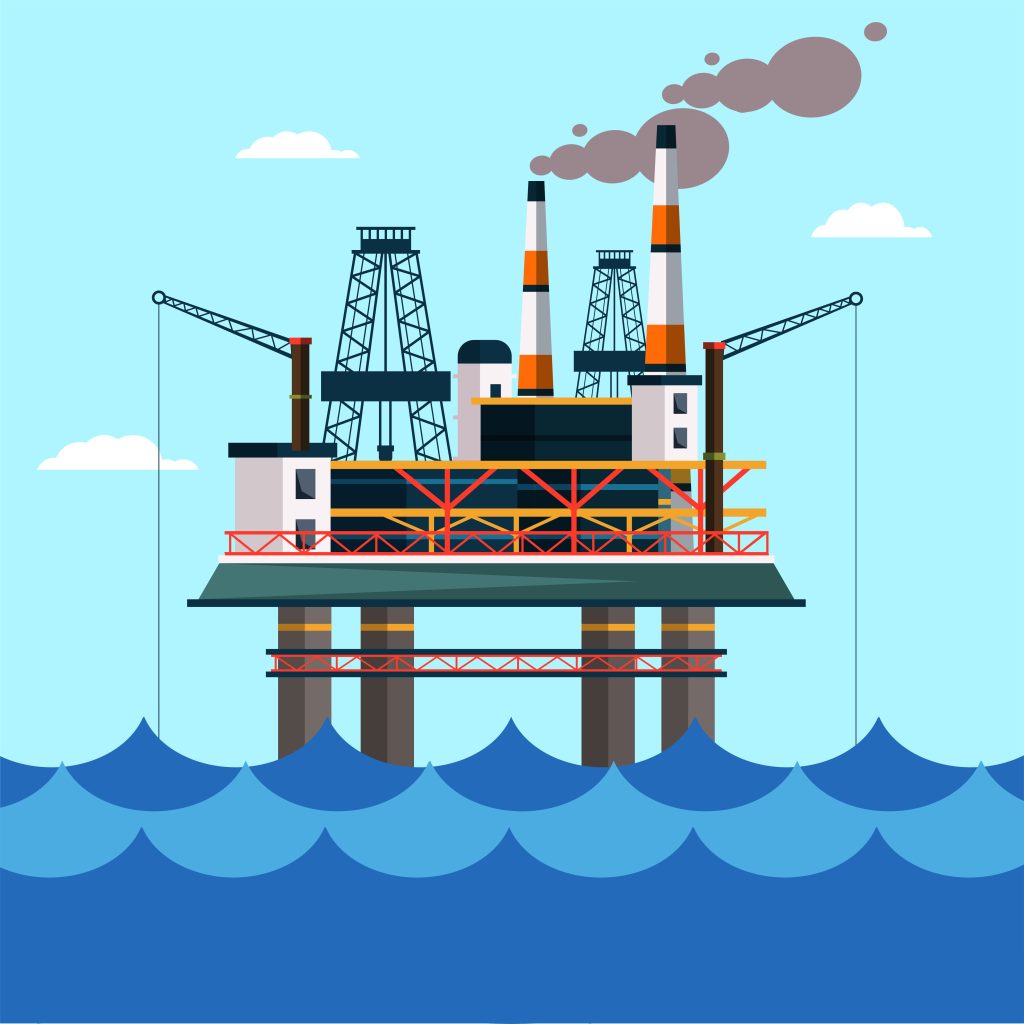
Real-world applications demonstrate the effectiveness of integrated solutions. For instance, incorporating WHCPs into offshore platforms allows for precise control of safety valves even in the harshest environments. Similarly, adopting advanced SCADA systems in water treatment plants improves resource management and the speed of response to critical events.

Conclusion: Precision, Safety, and Integration

Designing Modern Control Systems requires a delicate balance between technical precision, functional safety, and system integration. By adopting advanced technologies and international standards, companies can meet the challenges of contemporary industry, enhancing operational efficiency while ensuring maximum safety.

Contact ST2 Srl today for more information on implementing advanced control solutions in your facilities!

READ MORE

Excellence in Industrial Automation: Driving the Future of Production

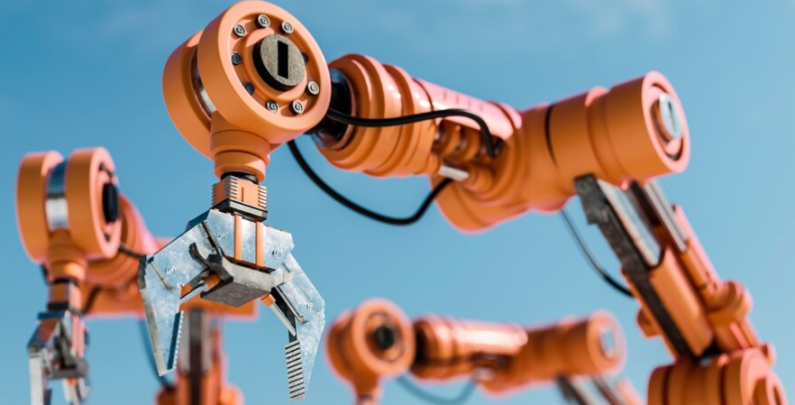
Industrial Automation is one of the primary forces behind the technological evolution and production efficiency of modern industry. In an increasingly globalized and competitive world, excellence in automation is no longer an option but a necessity for companies aiming to remain competitive, reduce costs, and enhance product quality. This sector—which encompasses advanced technologies like robotics, Artificial Intelligence (AI), the Internet of Things (IoT), and Big Data—is redefining the boundaries of production and corporate management.

The Role of Automation in Industrial Competitiveness

In today’s industrial landscape, automation is the engine fueling competitiveness. The ability to automate production processes allows companies to gain significant advantages in speed, quality, and cost-efficiency. Automated systems can operate 24/7 without interruption, reducing the risk of human error and ensuring constant precision.

Beyond simple repetitive tasks, Industrial Automation involves the intelligent management of workflows, coordination between production lines, and resource optimization. In a context of shorter production cycles and tighter margins, automation excellence is the key to maintaining high quality while lowering operational costs.

Core Technologies of Excellence

Achieving excellence in Industrial Automation requires the integration of advanced technologies that improve efficiency, safety, and sustainability:

  • Industrial Robotics: From welding and painting to assembly and quality control. Collaborative robots (cobots) work alongside humans, increasing efficiency without compromising safety.
  • Internet of Things (IoT): Real-time connection of devices and sensors allows for continuous monitoring and the detection of anomalies before they become critical issues. This is the foundation of predictive maintenance.
  • Artificial Intelligence (AI) and Machine Learning: These solutions optimize production through predictive analysis. Intelligent systems can analyze data to optimize operation sequences and reduce downtime.
  • Big Data Analytics: The vast amount of data generated by smart machines enables more informed decision-making and waste reduction.
Automazioni Industriali

Sustainability through Automation

Industrial Automation is also a powerful tool for environmental sustainability. It allows companies to reduce resource consumption and optimize energy use. Through intelligent energy management, companies can monitor consumption in real-time and implement efficiency strategies, such as auto-adjusting processes based on demand. Furthermore, automation promotes the production of higher-quality, more durable goods, contributing to a reduction in industrial waste cycles.

The Challenge of Training and Organizational Adaptation

To reach peak excellence, implementing technology isn’t enough; companies must invest in people. Digital skills and innovation must become integral to employee training, with a focus on managing automated systems. Automation also requires a rethink of organizational models to maintain a balance between technological innovation and the value of human capital.

New Frontiers: The Smart Factory

The future of Industrial Automation points toward the “Smart Factory,” where every machine, sensor, and device is interconnected. Technologies like 5G and cloud platforms will enable even more flexible production environments, capable of adapting in real-time to demand fluctuations or unforeseen events.

The result of integrating advanced technology

Excellence in Industrial Automation is the result of integrating advanced technology, continuous training, and a long-term vision centered on quality and sustainability. Companies that invest in automation with an innovative mindset will lead the future of the industrial sector, transforming efficiency into a true competitive engine.

Contact us today to achieve excellence in your production processes!

READ MORE
Ingegneria e Automazione

Engineering and Automation for the Industry of Tomorrow

The global industrial sector is in a state of profound transformation, characterized by increasing digitalization, automation, and a radical shift toward sustainability. The “Industry 4.0” concept—marking the integration of AI, IoT, robotics, and Big Data—is now a reality driving the 21st-century industrial revolution. In this context, Engineering and Automation play a crucial role in shaping the industry of the future, ensuring production processes are more efficient, intelligent, and environmentally friendly.

The Role of Engineering in Tomorrow’s Industry

Engineering is at the heart of this transformation. Engineers are called to design and implement innovative solutions that not only improve performance but optimize the entire lifecycle of industrial processes.

  • Complex Systems Engineering: Designing integrated systems that combine diverse technologies to improve operational efficiency.
  • Green Engineering: Designing processes that reduce environmental impact through renewable energy, material recycling, and waste reduction (Circular Economy).
  • Digital Engineering: Using advanced mathematical models and augmented reality for predictive maintenance and process design.

segui il nostro blog!

Automation and AI: The New Frontier

What does “automation” truly mean for the industry of the future?

  • Advanced Robotics and Cobots: Collaborative robots designed to work alongside humans, handling repetitive tasks while humans focus on high-competence supervision.
  • Artificial Intelligence and Machine Learning: Systems that learn from sensor data to make autonomous decisions, optimizing production and identifying failures before they occur.
  • Internet of Things (IoT): Connecting machinery through smart sensors to monitor equipment health in real-time and create “smart” industrial plants.

Digital Transformation: The Digital Twin

Digitalization is the key. One of the most significant innovations is the Digital Twin: a virtual replica of a product or system that allows for real-time monitoring and simulation, reducing operational risks and optimizing resources. Cloud platforms and Blockchain further enhance transparency and control across the entire supply chain.

automazione e dell’ingegneria

Challenges and Opportunities

The primary challenge is integration: harmonizing new technologies with existing infrastructures. This requires significant investment in cybersecurity and a shift in workforce skills. As manual tasks are automated, the demand for professionals in AI, robotics, and Big Data management grows. However, the opportunities are vast. Engineering and Automation can reduce costs, improve quality, and foster the transition toward sustainable industrial models, securing a competitive position in the global market.

Conclusion

Engineering and Automation are the heart of future industrial transformation. The goal is to design systems that are intelligent, resilient, and sustainable. Tomorrow’s industry will not only be more efficient but also more ethical and green, guided by the innovation of this new era.

Contact us today to lead your business into the future of industrial innovation!

READ MORE
industrial automation

The evolution of industrial automation, from past to future

Industrial automation has revolutionized the way we produce goods and manage manufacturing operations. From its humble beginnings in the nineteenth century, when steam-powered machines began to replace human labor in factories, to today’s advanced systems based on Artificial Intelligence and the Internet of Things (IoT), industrial automation has constantly improved efficiency, precision and safety in industrial operations.

The origins of industrial automation

Industrial automation has its roots in the early industrial revolutions. In the 19th century, the invention of machines such as the mechanical loom and the steam engine led to the mechanization of factories, reducing dependence on manual labor and increasing production. However, it was only with the passage of time that more sophisticated technologies for automating industrial processes developed.

industrial automation

The role of electronics and PLCs

Towards the mid-20th century, the advent of electronics led to a further evolution of industrial automation. The first programmable logic controllers (PLCs) began to replace electromechanical relays, offering greater flexibility and programmability in industrial processes. PLCs made it possible to automate complex tasks and centralize the management of control systems.

The programmable automation revolution

In the 1970s and 1980s, with the introduction of computers and numerical control (CNC) systems, programmable automation experienced a real revolution. These systems made it possible to program machines in detail to perform precise and complex operations, from assembly to material processing. This led to a significant increase in productivity and product quality.

Artificial intelligence and predictive automation

Today, industrial automation is entering a new era with the increasingly widespread adoption of Artificial Intelligence (AI) and Predictive Automation. AI-based systems can analyze enormous amounts of data in real time to optimize production processes, predict machine failures and improve preventive maintenance. This leads to greater operational efficiency, reducing downtime and maintenance costs.

you can find more information about us by clicking here

The Internet of Things (IoT) and global connection

Furthermore, the Internet of Things (IoT) is transforming industrial automation by allowing the connection of machinery, sensors and smart devices in a global network. This interconnection allows remote monitoring and control of equipment, real-time data collection and process optimization more efficiently and accurately than ever before.

Social and economic implications

Despite the numerous advantages of industrial automation, there are also social and economic implications to consider. Automation can lead to job losses in the short term, but it can also create new specialized employment opportunities in the long term. It is therefore essential to adopt policies that favor the retraining of the workforce and promote technological innovation in an equitable and sustainable way.

The future of industrial automation

The future of the industry looks exciting, with the increasing adoption of technologies such as AI, IoT and collaborative robotics. These innovations promise to make factories even more efficient, flexible and intelligent, allowing large-scale production that is customized and adaptable to market needs. However, for this future to be fully realized, it is essential to address the challenges related to safety, data privacy and the environmental impact of industrial automation.


In conclusion, industrial automation has undergone an extraordinary evolutionary journey, radically transforming the way we produce goods and manage manufacturing operations. With the advent of increasingly advanced technologies, the future of the industry promises to be full of possibilities and promises, with the potential to further improve the efficiency, quality and sustainability of industrial production.

Blog

READ MORE