Testa di pozzo

Wellhead Systems, an examination of different Types

The extraction of hydrocarbons, a cornerstone of the oil and gas industry, involves complex processes requiring highly specialized equipment. Among these, Wellhead Systems play a crucial role, providing the structural and pressure-containing interface for drilling and production equipment. They are essential for controlling the flow of fluids from the reservoir to the surface. Let’s examine the primary types used in the sector.

Surface Wellheads

Surface Wellheads
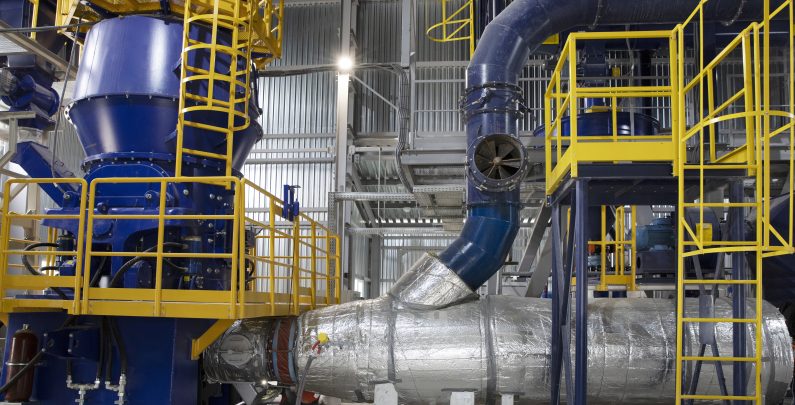
Surface wellheads are located at the top of the well on land or on a platform. They are responsible for the initial flow control of hydrocarbons. These systems must be robust and capable of withstanding extreme environmental conditions. They typically include a series of valves and adapters (the “Christmas Tree”) to prevent accidents during drilling and production.

teste di pozzo

Subsea Wellheads

Installed on the seabed, subsea wellheads are connected to underwater wells through flexible or rigid flowlines. These must be engineered to resist immense water pressure and marine currents. They often feature sophisticated remote control systems (subsea control modules) that allow monitoring and operation from a surface vessel or platform.

Production Wellheads

Used during the active extraction phase, production wellheads manage the flow of oil, gas, and water. They direct these fluids toward treatment and storage systems. These systems are designed to handle high production rates and incorporate choke valves to optimize and regulate the flow according to reservoir pressure.

Workover Wellheads

Workover (or “intervention”) wellheads are employed during maintenance or well stimulation operations, such as directional drilling, well cleaning, or installing auxiliary equipment. They are designed for flexibility and adaptability, often equipped with locking devices to ensure maximum safety during maintenance tasks.

Engineering Operational Safety

In conclusion, Wellhead Systems are vital to the hydrocarbon industry, ensuring the safe management of fluid flow from the subsurface to the surface. Proper design, selection, and maintenance of this equipment are fundamental to operational efficiency and environmental safety in oil and gas activities.

Contact us today to learn more about our engineering solutions for well control!
READ MORE
energy and oil industry

Multidisciplinary Engineering: Essential for energy and oil industry

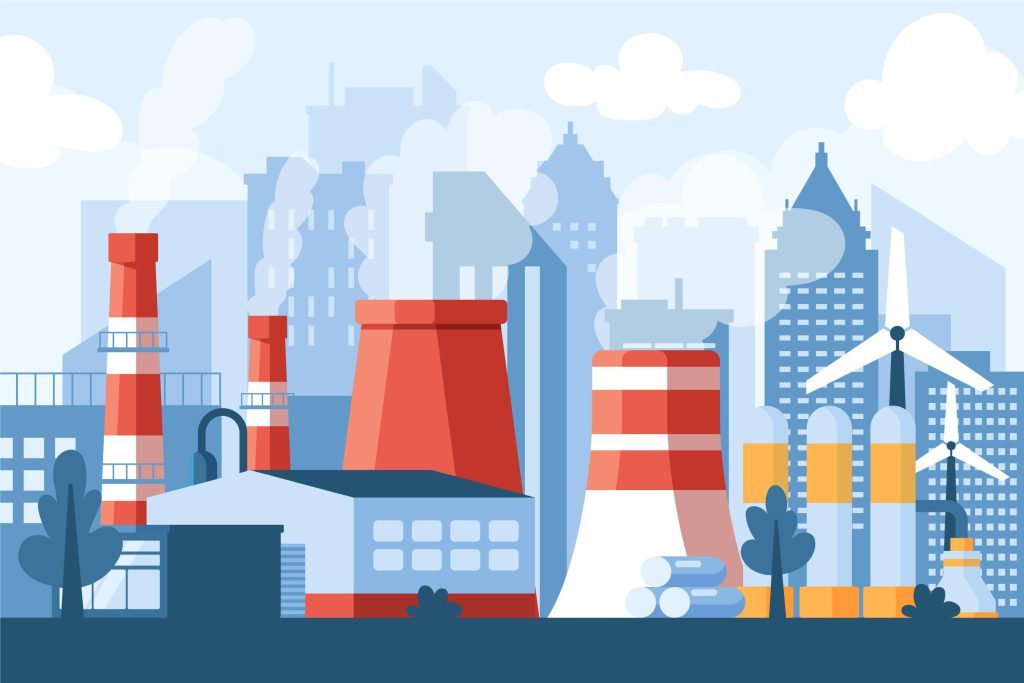
The energy and oil industry represents one of the fundamental pillars of the global economy, providing the vital fuel to power our modern societies. However, behind this seemingly simple supply lies a complex and intricate world, requiring diverse skills and deep technical knowledge. In this context, multidisciplinary engineering emerges as an invaluable resource, providing an integrated approach to address the sector’s most challenging issues.

The Complexity of the Energy and Oil Industry

The extraction, production, and distribution of energy and oil involve a wide range of processes, from geology to chemical engineering, from robotics to automation, from resource management to data analysis. Furthermore, environmental impacts and technological challenges are pushing the industry towards increasingly innovative and sustainable solutions.

To discover our services, click here

The Multidisciplinary Approach

Tackling these challenges requires an integrated approach that combines knowledge and skills from various disciplines. Multidisciplinary engineering allows for the combination of knowledge from mechanical engineering, chemical engineering, electrical engineering, computer science, and more, to design and manage complex plants and processes efficiently and effectively.

Innovation and Sustainability

energy and oil industry

Multidisciplinary engineering plays a key role in technological innovation and in the search for sustainable solutions for the energy and oil industry. This approach enables the development of advanced technologies for the extraction, production, and distribution of energy and oil, while reducing environmental impact and improving energy efficiency.

Responding to Emerging Challenges

Emerging challenges, such as climate change, infrastructure security, the reduction of greenhouse gas emissions, and the transition to renewable energy sources, require innovative and interdisciplinary solutions. Multidisciplinary engineering allows these challenges to be effectively addressed by integrating knowledge and skills from different disciplines to find sustainable and innovative solutions.

Collaboration and Synergies

The multidisciplinary approach promotes collaboration among professionals from different areas of expertise, creating synergies that foster innovation and efficiency. Through the sharing of knowledge and experiences, multidisciplinary engineers can address the most demanding challenges of the energy and oil industry in a creative and innovative way.

In conclusion, multidisciplinary engineering plays a fundamental role in the energy and oil industry, providing an integrated approach to address the complex and intrinsic challenges of the sector. Through collaboration and innovation, multidisciplinary engineers can help ensure a secure, sustainable, and efficient energy supply for future generations.

Blog

READ MORE