
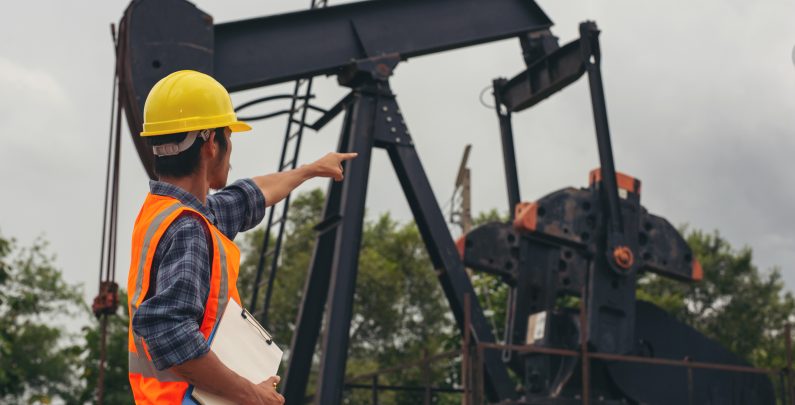
Oil and Gas Transportation Systems: An In-Depth Analysis
Energy is the engine of the modern world, and oil and natural gas are among the most vital and widely used resources. To move these resources from extraction sites to global markets, Oil and Gas Transportation Systems based on pipelines play a fundamental role. These systems offer numerous advantages over other methods, such as road, rail, or sea transport. However, they also present unique challenges and significant environmental and economic implications.
Efficiency and Reliability: The Pipeline Advantage
Pipelines are renowned for their efficiency and reliability. Compared to trucks or tankers, pipelines can transport vast volumes of oil or gas over long distances more economically and safely. Once operational, they require relatively less maintenance than other transport modes. This efficiency is particularly evident when moving resources from offshore fields or remote regions, where pipelines often prove to be the most practical and cost-effective solution.
Environmental Challenges and Complexities
Despite their benefits, Oil and Gas Transportation Systems via pipelines face significant environmental hurdles. Leaks from damaged pipelines can severely contaminate soil, groundwater, and oceans. Furthermore, the construction of new pipelines can lead to the destruction of sensitive habitats and ecosystem fragmentation, negatively impacting local biodiversity.
Safety and Regulation
Given the hazardous nature of hydrocarbons, the safety of pipeline systems is a top priority. Operators must comply with rigorous safety standards and government regulations to prevent accidents and protect surrounding communities. Regulation often includes requirements for regular maintenance, emergency response procedures, and continuous monitoring to detect leaks or anomalies.
The Future of Transportation Systems
The landscape of Oil and Gas Transportation Systems is constantly evolving, driven by technological innovation and environmental concerns. Recent years have seen increased focus on Liquefied Natural Gas (LNG) pipelines, which offer greater flexibility. Moreover, the adoption of advanced technologies—such as smart sensors and Artificial Intelligence—is enhancing real-time monitoring, reducing accident risks, and improving overall system efficiency.

Engineering a Sustainable Balance
Pipelines are crucial to the global economy, enabling the efficient transfer of vital energy resources. However, it is essential to balance these benefits with a rigorous focus on safety and environmental protection. Through a responsible approach and the adoption of innovative technologies, we can ensure that these systems continue to meet global energy needs sustainably and safely.
Contact us today to optimize your energy transportation infrastructure!
Recent Comments