
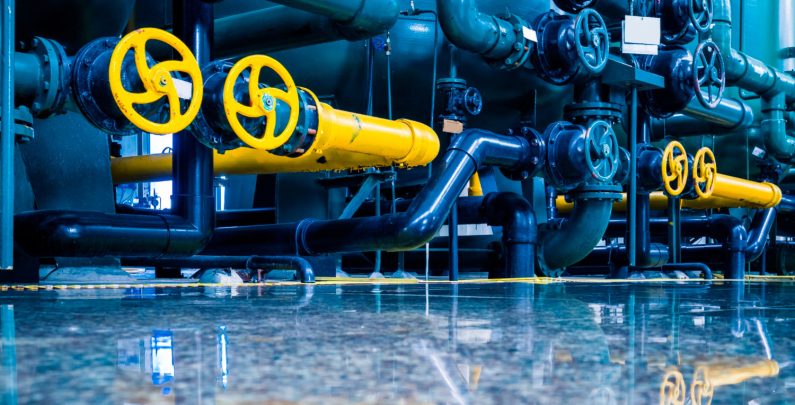
Control and monitoring systems for water resources
Efficient water management is essential to ensure environmental sustainability and the smooth running of cities and industries. Water is a vital resource, but its availability and quality are increasingly threatened by factors such as climate change, pollution and rising demand. In this context, automation and advanced monitoring are essential tools for optimising water management, reducing waste and improving operational efficiency. At ST2 Ltd, we offer cutting-edge control and monitoring solutions for water treatment and management, meeting the needs of efficiency, safety and sustainability.
Process automation, the crucial role of control systems
Water management, both in urban and industrial settings, requires precise control of water flow, quality and pressure. An automated control system allows all these parameters to be constantly monitored and adjusted in real time, ensuring fair and safe water distribution. Our advanced systems use smart sensors to detect any changes in key parameters, such as pH, temperature, dissolved oxygen level, and turbidity, which could indicate anomalies or risk situations.
Furthermore, the integration of control systems allows for optimised resource management, reducing energy consumption and water losses, and improving the reliability and durability of water infrastructure. This is particularly important in a context where water is an increasingly scarce and precious resource.
Remote monitoring and real-time control
Automation offers the advantage of remote monitoring, allowing water management systems to be monitored from anywhere, at any time. Using IoT (Internet of Things) technologies, data from sensors is collected and sent to centralised platforms that process the information in real time, allowing managers to intervene quickly when necessary.
This type of monitoring is particularly useful for cities, where water resource management involves complex and extensive networks. For example, thanks to automated systems, it is possible to identify leaks in pipes in real time, optimise consumption and prevent water shortages in specific areas, significantly reducing the risk of service interruptions.
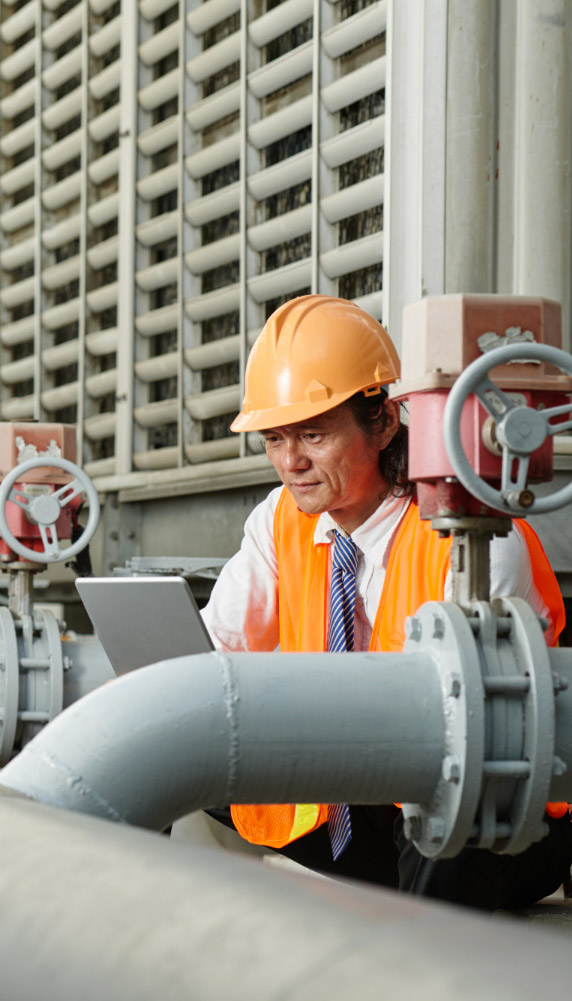
Automation for water resource management
In water treatment, automation is essential to ensure that wastewater is treated effectively and that drinking water remains safe and of high quality. Our water treatment automation systems can automatically monitor and regulate filtration, disinfection and purification processes, ensuring compliance with environmental and regulatory standards.
In addition, the use of advanced technologies such as predictive maintenance allows the health of equipment and infrastructure to be monitored, reducing downtime and improving operational efficiency. This helps to reduce operating costs and increases the longevity of treatment plants.
Benefits of control and monitoring systems
Adopting automated solutions for controlling and monitoring water resources brings numerous benefits:
- Greater operational efficiency: Automated control systems allow for better management of water flows, improving efficiency and reducing waste.
- Continuous monitoring and fault prevention: With real-time monitoring systems, leaks or problems in water systems can be detected immediately, allowing action to be taken before significant damage occurs.
- Sustainability and energy savings: Optimising water use contributes to more sustainable management by reducing energy consumption and water loss.
- Regulatory compliance: Automated systems ensure that operations always comply with local standards and regulations, improving water quality and safety.
The future of water resource management
The water management sector is constantly evolving, and technology plays an increasingly important role in improving efficiency and sustainability. Automated solutions, such as advanced monitoring systems and IoT integration, are the future of water management, enabling cities and industries to address the challenges of water scarcity and climate change.
At ST2 Ltd, we are committed to providing innovative solutions for water resource management, offering monitoring and control technologies that optimise every stage of the process, from distribution to purification. With our experience and expertise, we help our customers ensure safe, efficient and sustainable water management.
Contact us today to find out how we can optimise your industrial processes and take your business into the future of automation.

Recent Comments