
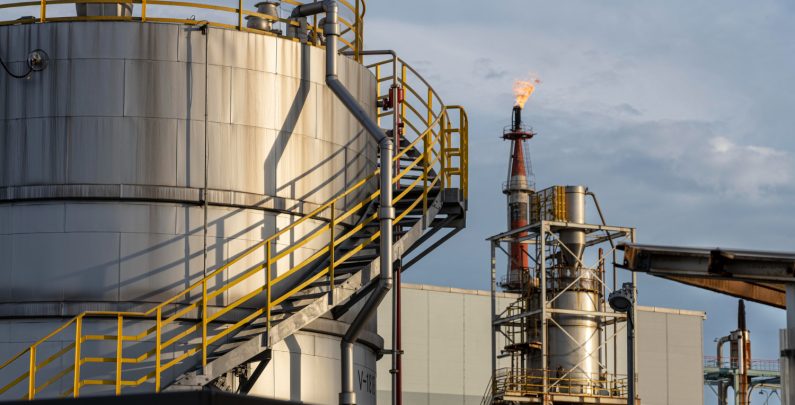
Process optimisation in the oil treatment system
In the oil and gas sector, optimising the process in the material treatment system is essential to ensure long-term competitiveness and sustainability. With the evolution of technology, industrial automation has become an essential component in optimising every stage of the process, from extraction to refining and the transport of oil and gas. At ST2 Ltd, we are committed to offering cutting-edge solutions that improve performance and reduce operating costs through advanced automation systems.
Process automation in oil treatment systems
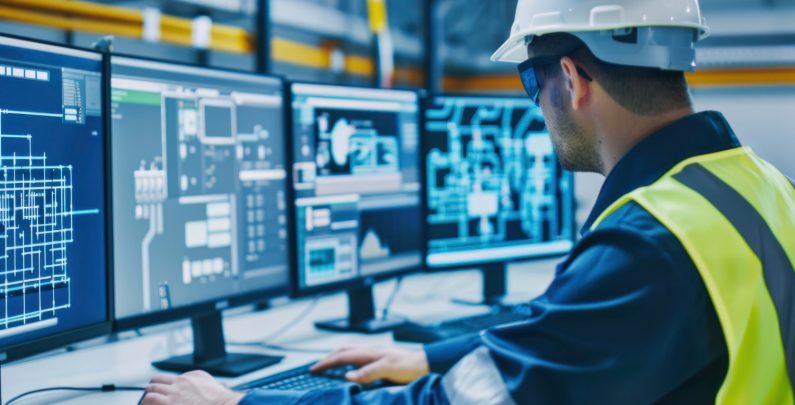
Oil extraction is one of the most critical and complex stages of the production process. With the introduction of automation, operations can be optimised, minimising margins of error and improving workplace safety in the oil processing system. Automation allows for constant monitoring of operating parameters, ensuring real-time control of activities. Intelligent sensors and advanced monitoring systems help identify any anomalies before they turn into serious problems, enabling timely intervention and minimising machine downtime.
Process optimisation and cost improvement
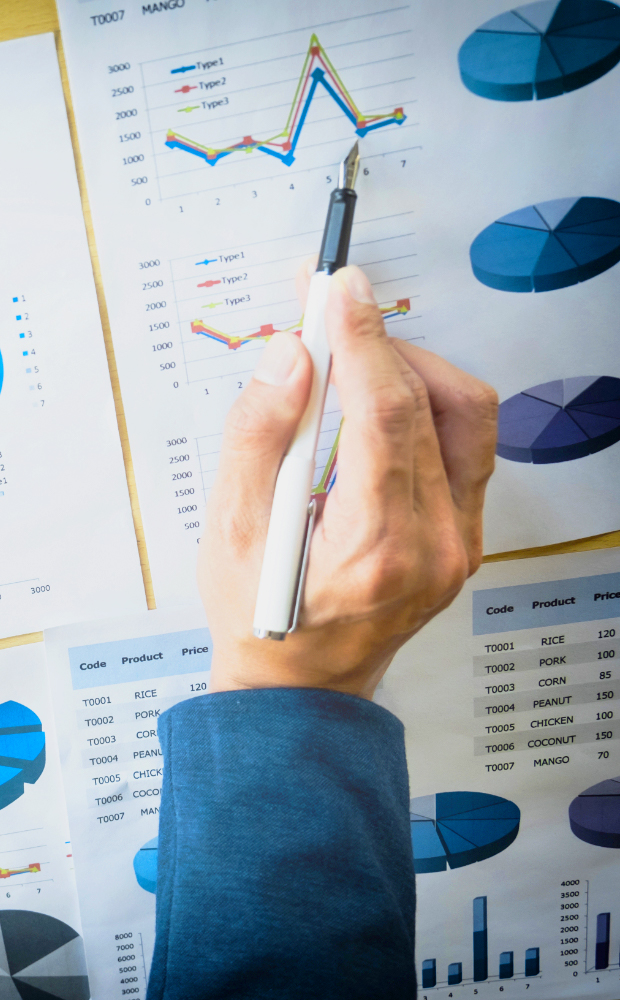
Oil refining is a complex process that requires precise control of variables such as temperature, pressure and flow. Automating refining processes allows these parameters to be optimised in real time, improving efficiency and reducing energy consumption. Thanks to sophisticated management algorithms, automated control systems can independently adjust operating conditions to maximise yield, improve the quality of the final product and reduce waste.
In addition, automation enables the implementation of predictive maintenance, reducing unexpected breakdowns and the costs associated with unscheduled maintenance. With constant monitoring of machinery, it is possible to predict malfunctions and intervene before they become critical, ensuring smoother and uninterrupted operations.
Automazione nel trasporto del petrolio e del gas
The transport of oil and gas is one of the most delicate and risky stages of the entire production cycle. Safety is a top priority, and automation plays a crucial role in ensuring compliance with regulations and preventing accidents. Automated pressure and temperature monitoring systems in pipelines allow for the immediate detection of any anomalies, such as leaks or overloads, reducing the risk of serious accidents.
In addition, automation helps to better manage logistics and operational efficiency, enabling a smoother and more timely workflow. The integration of advanced technologies such as GPS and real-time communication systems allows for continuous monitoring of shipments and optimisation of routes, reducing transit times and costs.
Benefits of oil and gas system automation
The benefits of adopting automation solutions in the oil and gas system are manifold:
- Increased Operational Efficiency: Automation allows processes to be optimised, improving productivity and reducing waste.
- Greater Safety: Automated systems reduce the risks associated with manual operations and enable safer process management.
- Real-Time Control: The use of advanced sensors and software allows for constant monitoring of each stage of the process, ensuring accurate and timely control.
- Cost Reduction: Automation reduces the risk of unexpected breakdowns and optimises energy consumption, cutting operating costs.
The future of the oil industry
In the competitive landscape of the oil industry, process optimisation within the system represents not only a solution for optimising processes, but also a fundamental strategy for addressing future challenges. Digitalisation, artificial intelligence and the Internet of Things (IoT) are transforming the sector, and companies that adopt automated solutions will be able to ensure greater efficiency, safety and sustainability.
At ST2 Ltd, we are ready to guide you through this transformation, offering customised industrial automation solutions for the oil and gas sector. With our experience and advanced technology, we can improve the operational efficiency and safety of your facilities, ensuring the long-term success of your business.
Contact us today to find out how we can optimise your industrial processes and take your business into the future of automation.
Recent Comments