
Excellence in Industrial Automation: Driving the Future of Production
Industrial Automation is one of the primary forces behind the technological evolution and production efficiency of modern industry. In an increasingly globalized and competitive world, excellence in automation is no longer an option but a necessity for companies aiming to remain competitive, reduce costs, and enhance product quality. This sector—which encompasses advanced technologies like robotics, Artificial Intelligence (AI), the Internet of Things (IoT), and Big Data—is redefining the boundaries of production and corporate management.
The Role of Automation in Industrial Competitiveness
In today’s industrial landscape, automation is the engine fueling competitiveness. The ability to automate production processes allows companies to gain significant advantages in speed, quality, and cost-efficiency. Automated systems can operate 24/7 without interruption, reducing the risk of human error and ensuring constant precision.
Beyond simple repetitive tasks, Industrial Automation involves the intelligent management of workflows, coordination between production lines, and resource optimization. In a context of shorter production cycles and tighter margins, automation excellence is the key to maintaining high quality while lowering operational costs.
Core Technologies of Excellence
Achieving excellence in Industrial Automation requires the integration of advanced technologies that improve efficiency, safety, and sustainability:
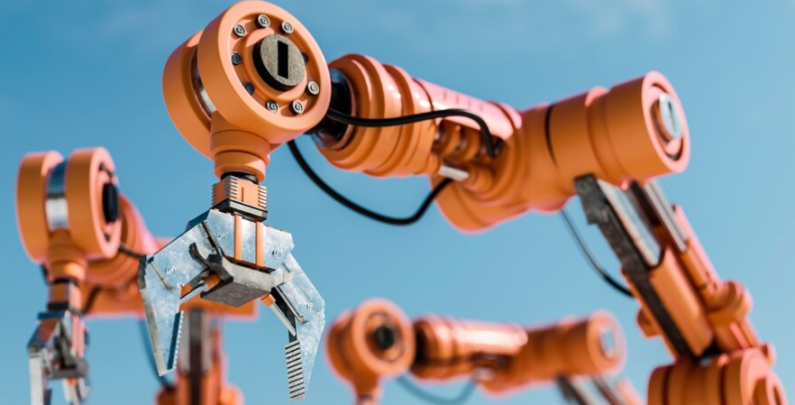
- Industrial Robotics: From welding and painting to assembly and quality control. Collaborative robots (cobots) work alongside humans, increasing efficiency without compromising safety.
- Internet of Things (IoT): Real-time connection of devices and sensors allows for continuous monitoring and the detection of anomalies before they become critical issues. This is the foundation of predictive maintenance.
- Artificial Intelligence (AI) and Machine Learning: These solutions optimize production through predictive analysis. Intelligent systems can analyze data to optimize operation sequences and reduce downtime.
- Big Data Analytics: The vast amount of data generated by smart machines enables more informed decision-making and waste reduction.
Sustainability through Automation
Industrial Automation is also a powerful tool for environmental sustainability. It allows companies to reduce resource consumption and optimize energy use. Through intelligent energy management, companies can monitor consumption in real-time and implement efficiency strategies, such as auto-adjusting processes based on demand. Furthermore, automation promotes the production of higher-quality, more durable goods, contributing to a reduction in industrial waste cycles.
The Challenge of Training and Organizational Adaptation
To reach peak excellence, implementing technology isn’t enough; companies must invest in people. Digital skills and innovation must become integral to employee training, with a focus on managing automated systems. Automation also requires a rethink of organizational models to maintain a balance between technological innovation and the value of human capital.
New Frontiers: The Smart Factory
The future of Industrial Automation points toward the “Smart Factory,” where every machine, sensor, and device is interconnected. Technologies like 5G and cloud platforms will enable even more flexible production environments, capable of adapting in real-time to demand fluctuations or unforeseen events.
The result of integrating advanced technology
Excellence in Industrial Automation is the result of integrating advanced technology, continuous training, and a long-term vision centered on quality and sustainability. Companies that invest in automation with an innovative mindset will lead the future of the industrial sector, transforming efficiency into a true competitive engine.
Contact us today to achieve excellence in your production processes!

Recent Comments