WHCP, the heart of pneumohydraulic automation

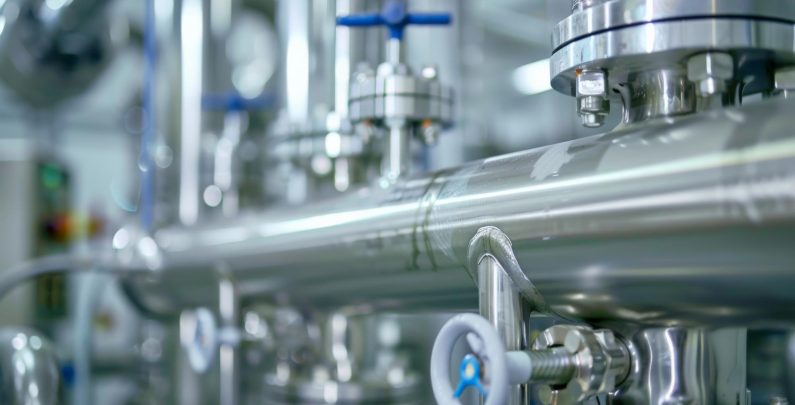
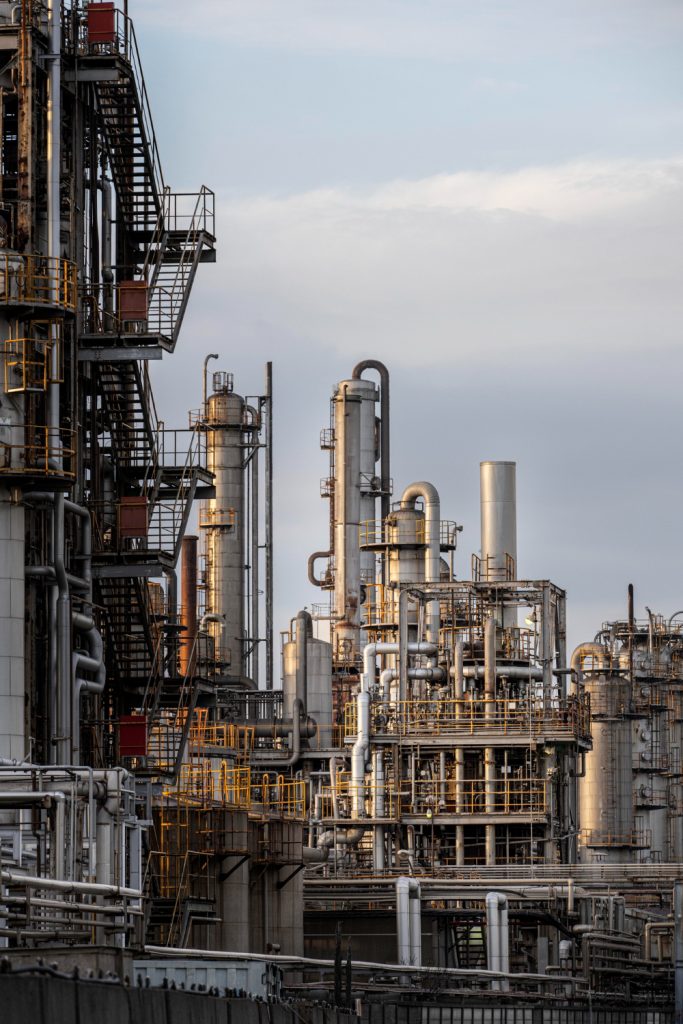
In an industry such as oil and gas, where safety and reliability are paramount, Wellhead Control Panels (WHCP) are a crucial element for plant control and safety. These integrated systems combine electrical, pneumatic and hydraulic circuits to manage safety and control valves in wellheads, both onshore and offshore.

follow the blog!

Functionality and importance of WHCPs

WHCPs are designed to monitor and control critical valves such as SCSSVs, masters, wings, chokes, ESDs and HIPPS. Their ability to operate in extreme conditions, with pressures up to 1,379 bar (20,000 PSI) and variable temperatures, makes them indispensable for ensuring the safety and operational efficiency of plants.

Advanced technical features

  • Certified safety: Components comply with SIL2 and SIL3 standards according to IEC 61508:2010, ensuring high levels of functional safety.
  • High-quality materials: Made of AISI316 stainless steel, WHCPs offer corrosion resistance and durability.
  • Modular design: Available in single or multi-well versions, with removable modules for easy maintenance.
  • Diverse power supply systems: Can be powered electrically, pneumatically or by gas from the well.
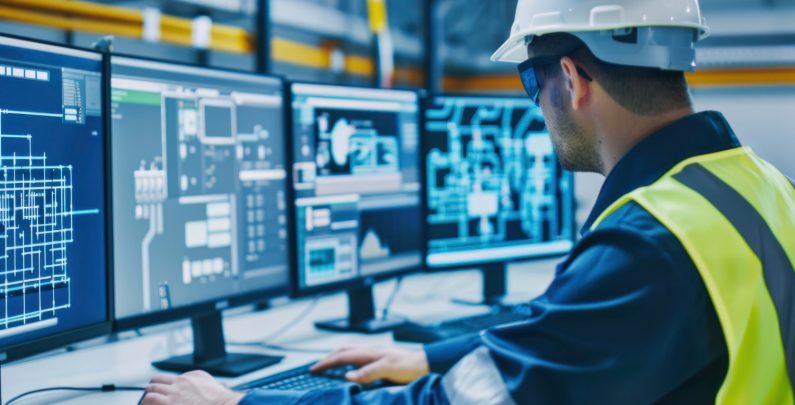
  • Remote and local control: Can be integrated with PLC, DCS, SCADA and RTU systems for efficient monitoring and control.

Applications in critical environments

WHCPs are essential in environments where operating conditions are particularly harsh, such as offshore installations, deserts or arctic regions. Their design allows installation in ATEX and IECEx classified areas, ensuring operation even in the presence of hazardous gases such as H₂S.

Customisation and innovation

WHCP solutions can be customised to meet specific requirements, including features such as:

  • Advanced shutdown systems: Implementation of ‘first out’ logic to quickly identify the cause of a shutdown.
  • Separate accumulator: Dedicated skids for accumulators, equipped with boosters for high-pressure recharging.
  • Green technologies: Low energy consumption design, compatible with power supply via photovoltaic panels.

WHCP for improved safety

Wellhead Control Panels are a fundamental component for the safety and efficiency of oil & gas facilities. Their ability to operate in extreme conditions, combined with the possibility of customisation and integration with advanced control systems, makes them indispensable for tackling the most critical operational challenges.

To learn more about WHCP solutions and discover how they can be integrated into your facilities, please contact ST2 Ltd.

READ MORE
sistemi di riscaldamento

Automation and safety in heating systems

Safety in industrial heating systems is a major concern for companies operating in high-temperature environments. Poorly managed or inadequately monitored heating systems can cause dangerous malfunctions, costly breakdowns and, in the most serious cases, accidents that compromise worker safety and operational efficiency. At ST2 Ltd, we offer advanced automation solutions for heating systems, designed to improve plant safety, reduce the risk of failure and ensure safer and more reliable operations.

follow the blog!

A crucial aspect for industrial operations

Heating systems are essential in many industrial sectors, from manufacturing to materials processing, but their management involves inherent risks, especially when operating in extremely high-temperature environments. Without a continuous monitoring and control system, failures in heating systems can lead to dangerous situations, such as fires, explosions or damage to equipment.

To prevent such risks, it is essential to implement advanced automation solutions that allow every aspect of heating systems to be monitored and controlled. Our automation systems allow you to manage temperature, pressure and flow in real time, ensuring that systems operate within strict safety parameters.

How automation improves the safety of heating systems

Advanced automation integrates intelligent sensors and monitoring systems that constantly analyse the operating conditions of heating systems. The use of temperature and pressure sensors and leak detectors provides accurate, real-time data on all crucial parameters.

When systems detect an abnormal condition, such as a sudden increase in temperature or excessive pressure, automation kicks in, automatically adjusting system operation to prevent breakdowns or dangerous situations. If a serious problem is detected, automation systems can also shut down the plant or activate protective mechanisms to reduce the risk of damage.

Benefits of automation for heating system safety

  1. Prevention of breakdowns and accidents: Thanks to sensors and continuous monitoring, automation allows anomalies to be identified and corrected before they can cause serious damage, preventing breakdowns, fires or explosions.
  2. Real-time control: The ability to constantly monitor temperature and pressure parameters allows immediate intervention in the event of risk, minimising reaction time and improving the overall safety of the plant.
  3. Automation of safety procedures: Automated systems can activate predefined safety measures, such as immediately shutting down heating in the event of an anomaly, reducing manual intervention and the risks associated with human error.
  4. Maintenance optimisation: Predictive automation, combined with continuous monitoring, allows you to predict when a component might fail, reducing the need for sudden interventions and improving resource management.
  5. Compliance with safety regulations: Our automation systems are designed to ensure that heating systems comply with all industrial safety regulations, reducing the risk of non-compliance and improving the protection of workers and equipment.

The ST2 Srl solution for you

At ST2 Ltd, we offer tailor-made solutions for the automation and protection of industrial heating systems. Our solutions include:

  • Continuous monitoring: Sensor systems that constantly monitor temperature, pressure and other crucial parameters.
  • Automatic control: Automatic adjustment of parameters to avoid dangerous situations.
  • Alarm systems: Detection of anomalies with immediate alarms for rapid intervention.
  • Predictive maintenance: Optimisation of maintenance operations through real-time data analysis, reducing unexpected breakdowns.

Our solutions not only improve safety, but also help to increase operational efficiency and reduce the overall costs of managing heating systems.

The future of safety in heating systems

With technological advances, the future of industrial heating systems will increasingly focus on smart, automated solutions. Automation not only improves safety, but also allows for optimised resource management, reducing energy consumption and improving environmental sustainability. At ST2 Ltd, we are ready to take your industrial operations to the next level by integrating automation for safe and efficient heating system management.

Contact us today to find out how we can protect your heating systems with advanced automation solutions and ensure the safety and reliability of your industrial operations. Predictive maintenance tailored to your needs, improving the management and maintenance of your industrial operations.

READ MORE
manutenzione predittiva

Predictive maintenance in automation with St2srl

In today’s industrial landscape, operational efficiency is essential for competitiveness. A crucial aspect of optimising performance is maintenance, which has traditionally been based on reactive interventions, addressing failures only when they occur. However, thanks to predictive automation, it is now possible to anticipate failures before they happen, drastically reducing downtime and operating costs. At ST2 Ltd, we offer advanced automation and predictive maintenance solutions that enable industrial companies to optimise their operations and ensure maximum efficiency and reliability.

follow the blog!

What is predictive maintenance in automation and why is it crucial?

Predictive maintenance is a strategy that harnesses the power of automated systems to monitor the condition of industrial plants in real time. Through the use of smart sensors and monitoring devices, data is continuously collected and analysed to predict any faults or anomalies in machinery. This approach allows problems to be anticipated, enabling maintenance to be scheduled before serious damage occurs.

Unlike traditional methods, which are based on predefined maintenance intervals or unexpected failures, predictive maintenance reduces unnecessary interventions and optimises resources, lowering overall management costs.

How does predictive automation work in maintenance?

Predictive automation integrates advanced sensors and monitoring software that continuously collect vital data on the operating conditions of industrial plants. Automated systems analyse this data in real time to detect any signs of wear or impending malfunction.

When the system identifies an anomaly, such as abnormal vibrations, temperature fluctuations or changes in operating parameters, it immediately intervenes to adjust operations or send an alarm to the maintenance team. This allows for efficient planning of interventions, reducing machine downtime and preventing costly or damaging breakdowns.

Benefits of predictive automation for businesses

Adopting a predictive automation system brings numerous concrete benefits for industrial operations:

  • Reduced downtime: Systems are monitored in real time, allowing action to be taken before unexpected failures occur. This approach significantly reduces downtime, improving operational continuity.
  • Optimisation of maintenance costs: Predictive maintenance eliminates unnecessary interventions and allows you to focus only on real needs. This reduces costs associated with extraordinary maintenance and replacement of expensive components.
  • Increased plant life: By continuously monitoring machine conditions and taking timely action, predictive maintenance helps extend the useful life of plants, improving long-term performance.
  • Increased reliability and safety: Automated systems allow anomalies to be detected and corrected in real time, reducing the risk of sudden failures that could compromise workplace safety.
  • Improved energy efficiency: By optimising machine operation and preventing failures, predictive automation helps reduce energy consumption, thereby improving overall energy efficiency.

The future of predictive automation

The future of predictive automation is closely linked to continuous advances in digital technologies and data collection. The integration of advanced monitoring systems and automation will enable companies to achieve ever-higher levels of operational efficiency and cost reduction. Predictive solutions are becoming increasingly accurate, thanks to their ability to analyse huge volumes of data and provide increasingly accurate forecasts.

At ST2 Ltd, we are ready to support your company on this path of innovation, offering advanced predictive automation solutions designed to optimise every phase of industrial operations. Our technologies are designed to reduce risks, improve productivity and ensure the continuous and efficient operation of your plants.

Contact us today to find out how we can implement predictive automation solutions tailored to your needs, improving the management and maintenance of your industrial operations.

READ MORE
risorse idriche

Control and monitoring systems for water resources

Efficient water management is essential to ensure environmental sustainability and the smooth running of cities and industries. Water is a vital resource, but its availability and quality are increasingly threatened by factors such as climate change, pollution and rising demand. In this context, automation and advanced monitoring are essential tools for optimising water management, reducing waste and improving operational efficiency. At ST2 Ltd, we offer cutting-edge control and monitoring solutions for water treatment and management, meeting the needs of efficiency, safety and sustainability.

follow the blog!

Process automation, the crucial role of control systems

Water management, both in urban and industrial settings, requires precise control of water flow, quality and pressure. An automated control system allows all these parameters to be constantly monitored and adjusted in real time, ensuring fair and safe water distribution. Our advanced systems use smart sensors to detect any changes in key parameters, such as pH, temperature, dissolved oxygen level, and turbidity, which could indicate anomalies or risk situations.

Furthermore, the integration of control systems allows for optimised resource management, reducing energy consumption and water losses, and improving the reliability and durability of water infrastructure. This is particularly important in a context where water is an increasingly scarce and precious resource.

Remote monitoring and real-time control

Automation offers the advantage of remote monitoring, allowing water management systems to be monitored from anywhere, at any time. Using IoT (Internet of Things) technologies, data from sensors is collected and sent to centralised platforms that process the information in real time, allowing managers to intervene quickly when necessary.

This type of monitoring is particularly useful for cities, where water resource management involves complex and extensive networks. For example, thanks to automated systems, it is possible to identify leaks in pipes in real time, optimise consumption and prevent water shortages in specific areas, significantly reducing the risk of service interruptions.

Automation for water resource management

In water treatment, automation is essential to ensure that wastewater is treated effectively and that drinking water remains safe and of high quality. Our water treatment automation systems can automatically monitor and regulate filtration, disinfection and purification processes, ensuring compliance with environmental and regulatory standards.

In addition, the use of advanced technologies such as predictive maintenance allows the health of equipment and infrastructure to be monitored, reducing downtime and improving operational efficiency. This helps to reduce operating costs and increases the longevity of treatment plants.

Benefits of control and monitoring systems

Adopting automated solutions for controlling and monitoring water resources brings numerous benefits:

  1. Greater operational efficiency: Automated control systems allow for better management of water flows, improving efficiency and reducing waste.
  2. Continuous monitoring and fault prevention: With real-time monitoring systems, leaks or problems in water systems can be detected immediately, allowing action to be taken before significant damage occurs.
  3. Sustainability and energy savings: Optimising water use contributes to more sustainable management by reducing energy consumption and water loss.
  4. Regulatory compliance: Automated systems ensure that operations always comply with local standards and regulations, improving water quality and safety.

The future of water resource management

The water management sector is constantly evolving, and technology plays an increasingly important role in improving efficiency and sustainability. Automated solutions, such as advanced monitoring systems and IoT integration, are the future of water management, enabling cities and industries to address the challenges of water scarcity and climate change.

At ST2 Ltd, we are committed to providing innovative solutions for water resource management, offering monitoring and control technologies that optimise every stage of the process, from distribution to purification. With our experience and expertise, we help our customers ensure safe, efficient and sustainable water management.

Contact us today to find out how we can optimise your industrial processes and take your business into the future of automation.

READ MORE
sistema petrolifero

Process optimisation in the oil treatment system

In the oil and gas sector, optimising the process in the material treatment system is essential to ensure long-term competitiveness and sustainability. With the evolution of technology, industrial automation has become an essential component in optimising every stage of the process, from extraction to refining and the transport of oil and gas. At ST2 Ltd, we are committed to offering cutting-edge solutions that improve performance and reduce operating costs through advanced automation systems.

follow the blog!

Process automation in oil treatment systems

Oil extraction is one of the most critical and complex stages of the production process. With the introduction of automation, operations can be optimised, minimising margins of error and improving workplace safety in the oil processing system. Automation allows for constant monitoring of operating parameters, ensuring real-time control of activities. Intelligent sensors and advanced monitoring systems help identify any anomalies before they turn into serious problems, enabling timely intervention and minimising machine downtime.

Process optimisation and cost improvement

Oil refining is a complex process that requires precise control of variables such as temperature, pressure and flow. Automating refining processes allows these parameters to be optimised in real time, improving efficiency and reducing energy consumption. Thanks to sophisticated management algorithms, automated control systems can independently adjust operating conditions to maximise yield, improve the quality of the final product and reduce waste.

In addition, automation enables the implementation of predictive maintenance, reducing unexpected breakdowns and the costs associated with unscheduled maintenance. With constant monitoring of machinery, it is possible to predict malfunctions and intervene before they become critical, ensuring smoother and uninterrupted operations.

Automazione nel trasporto del petrolio e del gas

The transport of oil and gas is one of the most delicate and risky stages of the entire production cycle. Safety is a top priority, and automation plays a crucial role in ensuring compliance with regulations and preventing accidents. Automated pressure and temperature monitoring systems in pipelines allow for the immediate detection of any anomalies, such as leaks or overloads, reducing the risk of serious accidents.

In addition, automation helps to better manage logistics and operational efficiency, enabling a smoother and more timely workflow. The integration of advanced technologies such as GPS and real-time communication systems allows for continuous monitoring of shipments and optimisation of routes, reducing transit times and costs.

Benefits of oil and gas system automation

The benefits of adopting automation solutions in the oil and gas system are manifold:

  • Increased Operational Efficiency: Automation allows processes to be optimised, improving productivity and reducing waste.
  • Greater Safety: Automated systems reduce the risks associated with manual operations and enable safer process management.
  • Real-Time Control: The use of advanced sensors and software allows for constant monitoring of each stage of the process, ensuring accurate and timely control.
  • Cost Reduction: Automation reduces the risk of unexpected breakdowns and optimises energy consumption, cutting operating costs.

The future of the oil industry

In the competitive landscape of the oil industry, process optimisation within the system represents not only a solution for optimising processes, but also a fundamental strategy for addressing future challenges. Digitalisation, artificial intelligence and the Internet of Things (IoT) are transforming the sector, and companies that adopt automated solutions will be able to ensure greater efficiency, safety and sustainability.

At ST2 Ltd, we are ready to guide you through this transformation, offering customised industrial automation solutions for the oil and gas sector. With our experience and advanced technology, we can improve the operational efficiency and safety of your facilities, ensuring the long-term success of your business.

Contact us today to find out how we can optimise your industrial processes and take your business into the future of automation.

READ MORE

Edge Computing revolutionises automation

In the world of industrial automation, the expansion of the IoT and the need for timely decisions are driving companies to seek increasingly innovative solutions. Edge computing, which allows data to be processed directly on site, is emerging as a key technology for reducing latency and improving the efficiency of production processes. In this article, we analyse how edge computing is revolutionising the industry, illustrating the benefits, challenges and best practices for its effective implementation.

follow the blog!

What is edge computing?

Edge computing is based on the concept of moving data processing from the cloud to devices located close to the data source. In practice, instead of sending all information to a remote data centre, smart devices process data on site, enabling near real-time decisions. This approach is particularly useful in industrial environments, where every millisecond counts to ensure smooth and safe operations.

Benefits of edge computing in industrial automation

Its adoption offers numerous advantages:

  • Reduced Latency: Local processing drastically reduces response times, enabling immediate interventions and more responsive operations.
  • Greater Data Security: Managing data on site limits the risk of interception and cyber attacks, improving the overall security of the system.
  • Operational Efficiency: Rapid access to information allows for the optimisation of production processes, reducing machine downtime and operating costs.
  • Scalability and Flexibility: Edge computing solutions easily adapt to the specific needs of the industrial environment, supporting modular expansion without compromising performance.

These benefits make edge computing an indispensable tool for those who want to digitally transform their industrial plant, ensuring a high level of competitiveness in the global market.

Challenges and best practices

Despite the advantages, adopting edge computing also presents challenges. Integration with legacy systems, security management, and the need for constant maintenance are obstacles that must be overcome. To implement effectively, companies should consider certain best practices:

  • Requirements Analysis: Carefully evaluate production processes to identify areas where local processing can offer concrete benefits.
  • Gradual Integration: Adopt a step-by-step approach, integrating in line with the evolution of existing technologies.
  • IT Security: Implement robust cybersecurity measures to protect locally processed data, ensuring operational continuity.
  • Constant Monitoring: Use analytics tools to monitor performance and identify any critical issues, enabling timely intervention.

Adopting these strategies not only facilitates the transition to a more advanced digital environment, but also ensures that investment in edge computing delivers tangible and lasting results.

The new standard for data processing

Edge computing represents the new standard for real-time data processing in industrial automation. With the ability to reduce latency, increase security and optimise production processes, this technology offers companies a competitive advantage in an ever-changing market. For ST2 S.r.l., embracing edge computing means investing in cutting-edge solutions that transform complexity into opportunities for growth and innovation.

Investing today is the key to operating efficiently and securely, preparing for tomorrow’s challenges.

READ MORE

Digital twins and advanced simulations

In today’s industrial landscape, the ability to anticipate and resolve operational issues is essential to maintaining competitiveness and sustainability. Digital twin technology, combined with advanced simulations, is revolutionising plant design and management, offering innovative tools to improve operational efficiency, reduce costs and increase safety. This article explores these solutions in detail, illustrating the concrete benefits and real-world applications that are transforming the industry.

follow the blog!

What are digital twins?

Digital twins are virtual replicas of physical systems, capable of simulating the behaviour of industrial plants in real time. These digital representations allow every aspect of the production process to be monitored, reproducing operating conditions and future scenarios. By integrating data from sensors and IoT systems, digital twins offer a comprehensive and dynamic view of the plant, serving as a predictive and analytical tool to identify potential anomalies before they occur.

Benefits of advanced simulations

The use of advanced simulations, supported by digital twins, allows different operating configurations to be tested without interrupting the actual operation of the plants. The main benefits include:

  • Predictive Diagnostics: Real-time data analysis to identify imminent failures and schedule targeted interventions.
  • Process Optimisation: Evaluation and improvement of operational flows to maximise productivity and reduce waste.
  • Cost Reduction: Preventing unscheduled downtime and emergency maintenance leads to significant cost savings.
  • Safety Improvement: Simulating critical scenarios helps implement preventive measures, ensuring safer working environments.

These technologies enable raw data to be transformed into strategic information, improving the quality of operational decisions.

Real-world applications and case studies

Several industrial sectors are already benefiting from the adoption of digital twins. For example, in large manufacturing industries, the implementation of advanced simulations has reduced machine downtime by 20% thanks to predictive maintenance based on accurate data. In the energy sector, simulations have helped to optimise resource distribution, ensuring more efficient and sustainable plant management. These case studies highlight how the integration of digital models and simulations not only improves operational performance but also becomes a strategic asset for the entire company.

Advanced innovation with digital twins

The innovation represented by digital twins and advanced simulations opens up new perspectives for the design and management of industrial plants. Thanks to these technologies, companies can operate more proactively, anticipating problems and optimising production processes. In an increasingly demanding market, investing in cutting-edge digital tools means preparing for the future, ensuring efficiency, safety and sustainability. ST2 S.r.l. confirms its leading role in this revolution, offering solutions that transform complexity into opportunities for growth and innovation.

READ MORE

System integration for optimal operational efficiency

In today’s industrial environment, where digitalisation and automation play a fundamental role, system integration is the cornerstone for achieving unprecedented operational efficiency. Connecting technologies, applications and processes within a single infrastructure allows information to be centralised and operational management to be improved, laying the foundations for a complete transformation.

follow the blog!

What does integrating systems mean?

System integration consists of combining different platforms and technological solutions so that they can communicate and collaborate with each other. This approach breaks down barriers between different departments within a company, making processes more fluid and decisions faster and more informed. In practice, it creates a digital ecosystem where each component contributes to the harmonious functioning of the entire organisation.

Operational benefits and advantages

The adoption of integrated systems offers multiple benefits. First, it significantly reduces downtime, as data is shared in real time between the various operating units. Furthermore, the elimination of fragmented information facilitates more accurate resource management, with a direct impact on productivity and the quality of the final product. An integrated system thus becomes a strategic tool for maintaining a competitive advantage in the market.

Overcoming the challenges of integration

Integrating different technologies is not always an easy task, especially when it comes to combining legacy systems with modern solutions. Companies must deal with the complexity of compatibility and data security. However, by adopting targeted strategies and modular solutions, it is possible to achieve gradual and secure integration, minimising risks and enabling a smooth transition to an interconnected digital environment.

Key strategies for success

To successfully implement a systems integration, it is essential to follow a structured path:

  • Analysis and Diagnosis: Evaluate existing processes to identify areas for improvement and technologies to be integrated.
  • Strategic Planning: Define clear objectives and choose the solutions best suited to the specific needs of the company.
  • Gradual Implementation: Proceed in stages, constantly monitoring results to ensure operational continuity and make any necessary adjustments.
  • Continuous Monitoring: Use analysis tools to verify the effectiveness of the integration and adapt to market developments.

The Impact on Business Efficiency

When systems are effectively integrated, the entire company benefits from a more streamlined and responsive workflow. Centralising information reduces response times and optimises resource utilisation, contributing to greater competitiveness. In this scenario, each department works in synergy, transforming challenges into opportunities for growth and innovation.

System integration for an optimal strategy

System integration is an essential strategy for achieving optimal operational efficiency. Investing in integrated technological solutions and adopting a holistic approach allows you to overcome the complexities of digitalisation, creating a dynamic and resilient environment. For ST2 S.r.l., embracing integration means looking to the future with a clear vision: that of an increasingly innovative, efficient and competitive industry. Industrial integration is a strategic decision that must take into account a number of critical factors to ensure the success of the operation.

Reliability, compatibility, scalability, security, performance and support are just some of the aspects that should guide the choice of system. Only a careful assessment of these requirements will enable companies to make an investment that can optimise operations, reduce risks and improve competitiveness in the long term.

READ MORE

The importance of training in the automation sector

In the rapidly evolving world of automation, constantly updating one’s skills is not only an advantage, but a strategic necessity. For us at ST2 S.r.l., investing in continuous training means preparing our team to face technological challenges and drive innovation in an increasingly competitive sector.

follow the blog!

The landscape of modern automation

In recent years, automation has undergone radical transformations thanks to innovations such as the Internet of Things, artificial intelligence and advanced robotics. These advances have radically changed operating methods, making it essential to constantly update technical and cross-disciplinary skills. In an ever-changing market, yesterday’s knowledge may no longer be sufficient for tomorrow’s challenges.

Continuing education

Technological evolution requires a proactive response: continuous training. Adopting a path of constant updating means:

  • Preparing professionals to use new technologies effectively.
  • Updating operating methods to maintain high quality standards.
  • Creating a culture of innovation within the company.

This strategic vision enables technological challenges to be transformed into opportunities for growth and operational improvement.

Update methods, innovative tools and methods

Today’s training solutions are varied and flexible, capable of adapting to the specific needs of every business. Among the most effective methods are:

  • Online training and webinars: These enable rapid and continuous updates, easily integrating with daily work activities.
  • Practical workshops and face-to-face courses: These offer direct, hands-on experience, which is essential for mastering new technologies.
  • Collaborations with specialised institutions: These provide access to cutting-edge training programmes and promote the exchange of best practices.

These solutions help to create a dynamic environment in which learning becomes the driving force behind innovation.

Benefits for businesses and professionals

Investing in continuing education translates into tangible benefits. Companies that train their staff gain:

  • Greater operational efficiency, thanks to updated and optimised processes.
  • A skilled and motivated team, capable of tackling new challenges and driving change.
  • A competitive advantage in the market, thanks to the ability to constantly innovate.

At the same time, professionals develop advanced skills, enhancing their careers and actively contributing to the company’s success.

Looking to the future: the vision of ST2 S.r.l.

The future of automation lies in knowledge. At ST2 S.r.l., we believe that investing in training is the key to staying ahead of the curve and creating an innovation-oriented work environment. We are committed to supporting our customers in their continuous development, offering customised solutions and consulting services that promote sustainable growth.

In a sector where technology is constantly evolving, continuous training is an essential pillar for success. Investing in the skills of our professionals means not only improving operational efficiency, but also laying the foundations for a solid and innovative future. With this vision, ST2 S.r.l. acts as a strategic partner to accompany companies towards a more competitive and cutting-edge tomorrow, enabling them to optimise operations, reduce risks and improve competitiveness in the long term.

READ MORE

Industrial automation 2025: targets for a year of growth

2025 is shaping up to be a crucial year for the industrial sector, where automation will be key to unlocking new growth potential. In a context of rapid technological evolution, companies are being called upon to rethink their processes, investing in innovative solutions to remain competitive and optimise operations.

follow the blog!

Strategic investments in industrial automation for 2025

To meet the challenges of 2025, it is essential to plan targeted investments in key technologies. IoT solutions enable the installation of smart sensors and real-time monitoring systems, which are essential for collecting valuable data. Artificial intelligence, through advanced algorithms, supports predictive analytics and informed decisions, while robotics and process automation, thanks to collaborative robots and automated systems, help increase productivity. These investments dramatically reduce downtime, increase operational accuracy and optimise the use of company resources.

Optimisation of production processes

Adopting a data-driven approach is essential for transforming production processes. By carefully analysing operational flows, companies can identify and overcome bottlenecks, improve the quality of the final product and make the production environment more agile and responsive. This combination of technology and analysis promotes continuous innovation and delivers tangible results in terms of efficiency and competitiveness.

Technological integration and training

Integrating new technologies with existing infrastructure requires ongoing training. Investing in specialist training means preparing staff to use new digital solutions effectively, promoting a corporate culture focused on innovation. This training programme is crucial to ensuring a smooth and sustainable transition to automated processes, combining the potential of technology with the expertise of human capital.

Industrial automation for growth in 2025

Industrial automation is not only a response to current challenges, but also the foundation on which to build a year of growth and development in 2025. Planning targeted investments and optimising production processes are essential steps in transforming challenges into concrete opportunities. With a clear strategy and the adoption of the most advanced technologies, companies will be able to consolidate their position in the global market, preparing for an increasingly competitive and innovative future. Industrial plants are a strategic decision that must consider a number of critical factors to ensure the success of the operation.

Reliability, compatibility, scalability, security, performance and support are just some of the aspects that should guide the choice of system. Only a careful assessment of these requirements will enable companies to make an investment that can optimise operations, reduce risks and improve competitiveness in the long term.

READ MORE