
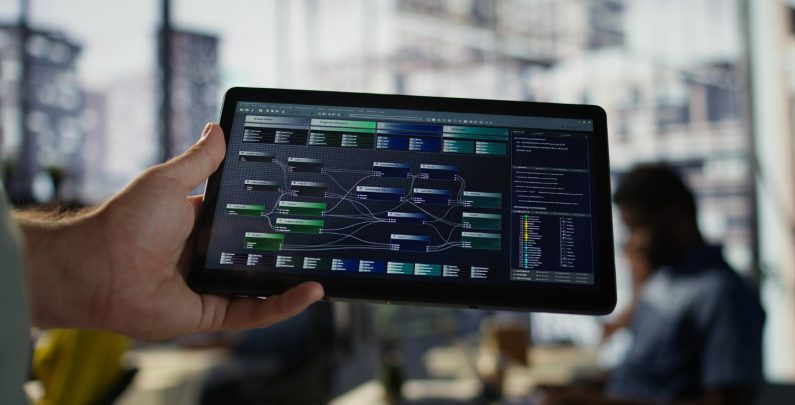
Edge Computing revolutionises automation
In the world of industrial automation, the expansion of the IoT and the need for timely decisions are driving companies to seek increasingly innovative solutions. Edge computing, which allows data to be processed directly on site, is emerging as a key technology for reducing latency and improving the efficiency of production processes. In this article, we analyse how edge computing is revolutionising the industry, illustrating the benefits, challenges and best practices for its effective implementation.
What is edge computing?
Edge computing is based on the concept of moving data processing from the cloud to devices located close to the data source. In practice, instead of sending all information to a remote data centre, smart devices process data on site, enabling near real-time decisions. This approach is particularly useful in industrial environments, where every millisecond counts to ensure smooth and safe operations.
Benefits of edge computing in industrial automation
Its adoption offers numerous advantages:
- Reduced Latency: Local processing drastically reduces response times, enabling immediate interventions and more responsive operations.
- Greater Data Security: Managing data on site limits the risk of interception and cyber attacks, improving the overall security of the system.
- Operational Efficiency: Rapid access to information allows for the optimisation of production processes, reducing machine downtime and operating costs.
- Scalability and Flexibility: Edge computing solutions easily adapt to the specific needs of the industrial environment, supporting modular expansion without compromising performance.
These benefits make edge computing an indispensable tool for those who want to digitally transform their industrial plant, ensuring a high level of competitiveness in the global market.
Challenges and best practices
Despite the advantages, adopting edge computing also presents challenges. Integration with legacy systems, security management, and the need for constant maintenance are obstacles that must be overcome. To implement effectively, companies should consider certain best practices:
- Requirements Analysis: Carefully evaluate production processes to identify areas where local processing can offer concrete benefits.
- Gradual Integration: Adopt a step-by-step approach, integrating in line with the evolution of existing technologies.
- IT Security: Implement robust cybersecurity measures to protect locally processed data, ensuring operational continuity.
- Constant Monitoring: Use analytics tools to monitor performance and identify any critical issues, enabling timely intervention.

Adopting these strategies not only facilitates the transition to a more advanced digital environment, but also ensures that investment in edge computing delivers tangible and lasting results.
The new standard for data processing
Edge computing represents the new standard for real-time data processing in industrial automation. With the ability to reduce latency, increase security and optimise production processes, this technology offers companies a competitive advantage in an ever-changing market. For ST2 S.r.l., embracing edge computing means investing in cutting-edge solutions that transform complexity into opportunities for growth and innovation.
Investing today is the key to operating efficiently and securely, preparing for tomorrow’s challenges.
Recent Comments