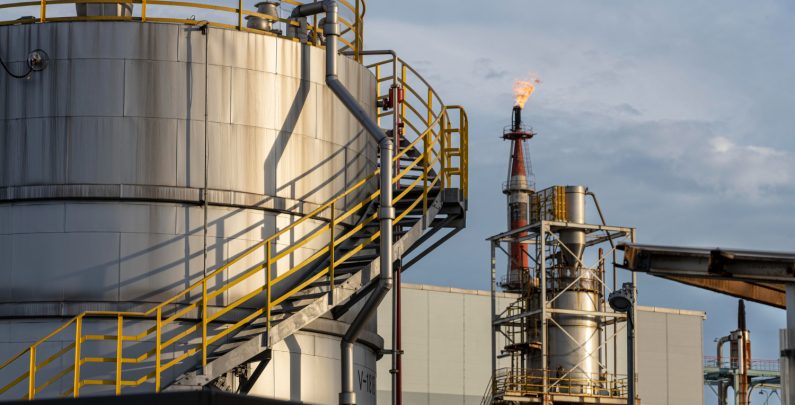
sistema petrolifero

Process optimisation in the oil treatment system

In the oil and gas sector, optimising the process in the material treatment system is essential to ensure long-term competitiveness and sustainability. With the evolution of technology, industrial automation has become an essential component in optimising every stage of the process, from extraction to refining and the transport of oil and gas. At ST2 Ltd, we are committed to offering cutting-edge solutions that improve performance and reduce operating costs through advanced automation systems.

follow the blog!

Process automation in oil treatment systems

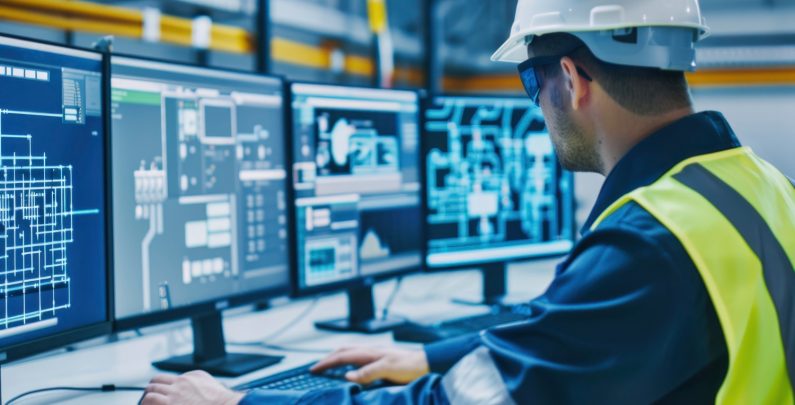
Oil extraction is one of the most critical and complex stages of the production process. With the introduction of automation, operations can be optimised, minimising margins of error and improving workplace safety in the oil processing system. Automation allows for constant monitoring of operating parameters, ensuring real-time control of activities. Intelligent sensors and advanced monitoring systems help identify any anomalies before they turn into serious problems, enabling timely intervention and minimising machine downtime.

Process optimisation and cost improvement

Oil refining is a complex process that requires precise control of variables such as temperature, pressure and flow. Automating refining processes allows these parameters to be optimised in real time, improving efficiency and reducing energy consumption. Thanks to sophisticated management algorithms, automated control systems can independently adjust operating conditions to maximise yield, improve the quality of the final product and reduce waste.

In addition, automation enables the implementation of predictive maintenance, reducing unexpected breakdowns and the costs associated with unscheduled maintenance. With constant monitoring of machinery, it is possible to predict malfunctions and intervene before they become critical, ensuring smoother and uninterrupted operations.

Automazione nel trasporto del petrolio e del gas

The transport of oil and gas is one of the most delicate and risky stages of the entire production cycle. Safety is a top priority, and automation plays a crucial role in ensuring compliance with regulations and preventing accidents. Automated pressure and temperature monitoring systems in pipelines allow for the immediate detection of any anomalies, such as leaks or overloads, reducing the risk of serious accidents.

In addition, automation helps to better manage logistics and operational efficiency, enabling a smoother and more timely workflow. The integration of advanced technologies such as GPS and real-time communication systems allows for continuous monitoring of shipments and optimisation of routes, reducing transit times and costs.
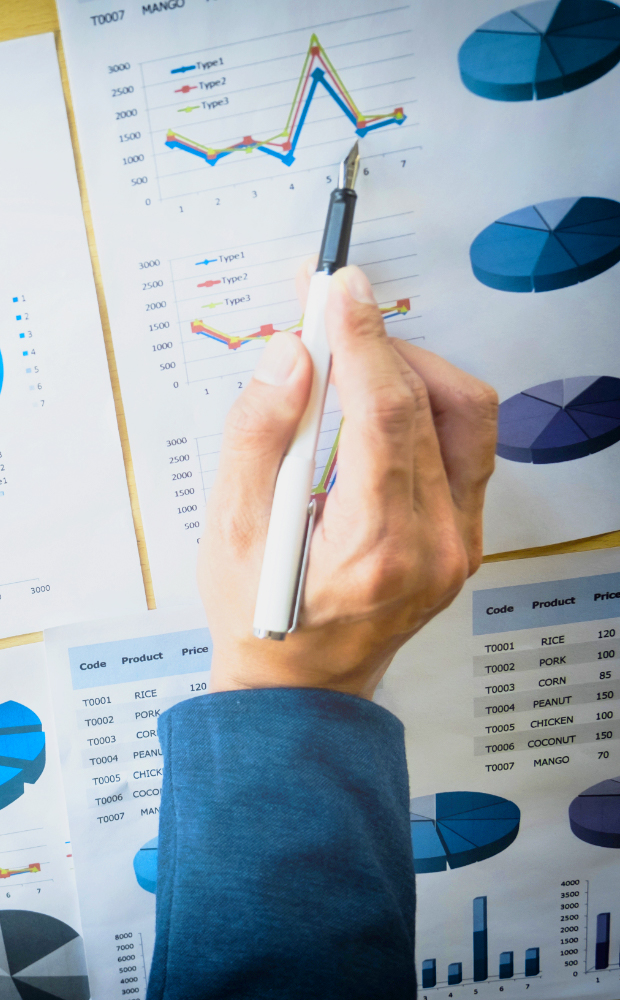
Benefits of oil and gas system automation

The benefits of adopting automation solutions in the oil and gas system are manifold:

  • Increased Operational Efficiency: Automation allows processes to be optimised, improving productivity and reducing waste.
  • Greater Safety: Automated systems reduce the risks associated with manual operations and enable safer process management.
  • Real-Time Control: The use of advanced sensors and software allows for constant monitoring of each stage of the process, ensuring accurate and timely control.
  • Cost Reduction: Automation reduces the risk of unexpected breakdowns and optimises energy consumption, cutting operating costs.

The future of the oil industry

In the competitive landscape of the oil industry, process optimisation within the system represents not only a solution for optimising processes, but also a fundamental strategy for addressing future challenges. Digitalisation, artificial intelligence and the Internet of Things (IoT) are transforming the sector, and companies that adopt automated solutions will be able to ensure greater efficiency, safety and sustainability.

At ST2 Ltd, we are ready to guide you through this transformation, offering customised industrial automation solutions for the oil and gas sector. With our experience and advanced technology, we can improve the operational efficiency and safety of your facilities, ensuring the long-term success of your business.

Contact us today to find out how we can optimise your industrial processes and take your business into the future of automation.
READ MORE

Edge Computing revolutionises automation

In the world of industrial automation, the expansion of the IoT and the need for timely decisions are driving companies to seek increasingly innovative solutions. Edge computing, which allows data to be processed directly on site, is emerging as a key technology for reducing latency and improving the efficiency of production processes. In this article, we analyse how edge computing is revolutionising the industry, illustrating the benefits, challenges and best practices for its effective implementation.

follow the blog!

What is edge computing?

Edge computing is based on the concept of moving data processing from the cloud to devices located close to the data source. In practice, instead of sending all information to a remote data centre, smart devices process data on site, enabling near real-time decisions. This approach is particularly useful in industrial environments, where every millisecond counts to ensure smooth and safe operations.

Benefits of edge computing in industrial automation

Its adoption offers numerous advantages:

  • Reduced Latency: Local processing drastically reduces response times, enabling immediate interventions and more responsive operations.
  • Greater Data Security: Managing data on site limits the risk of interception and cyber attacks, improving the overall security of the system.
  • Operational Efficiency: Rapid access to information allows for the optimisation of production processes, reducing machine downtime and operating costs.
  • Scalability and Flexibility: Edge computing solutions easily adapt to the specific needs of the industrial environment, supporting modular expansion without compromising performance.

These benefits make edge computing an indispensable tool for those who want to digitally transform their industrial plant, ensuring a high level of competitiveness in the global market.

Challenges and best practices

Despite the advantages, adopting edge computing also presents challenges. Integration with legacy systems, security management, and the need for constant maintenance are obstacles that must be overcome. To implement effectively, companies should consider certain best practices:

  • Requirements Analysis: Carefully evaluate production processes to identify areas where local processing can offer concrete benefits.
  • Gradual Integration: Adopt a step-by-step approach, integrating in line with the evolution of existing technologies.
  • IT Security: Implement robust cybersecurity measures to protect locally processed data, ensuring operational continuity.
  • Constant Monitoring: Use analytics tools to monitor performance and identify any critical issues, enabling timely intervention.

Adopting these strategies not only facilitates the transition to a more advanced digital environment, but also ensures that investment in edge computing delivers tangible and lasting results.

The new standard for data processing

Edge computing represents the new standard for real-time data processing in industrial automation. With the ability to reduce latency, increase security and optimise production processes, this technology offers companies a competitive advantage in an ever-changing market. For ST2 S.r.l., embracing edge computing means investing in cutting-edge solutions that transform complexity into opportunities for growth and innovation.

Investing today is the key to operating efficiently and securely, preparing for tomorrow’s challenges.

READ MORE

Digital twins and advanced simulations

In today’s industrial landscape, the ability to anticipate and resolve operational issues is essential to maintaining competitiveness and sustainability. Digital twin technology, combined with advanced simulations, is revolutionising plant design and management, offering innovative tools to improve operational efficiency, reduce costs and increase safety. This article explores these solutions in detail, illustrating the concrete benefits and real-world applications that are transforming the industry.

follow the blog!

What are digital twins?

Digital twins are virtual replicas of physical systems, capable of simulating the behaviour of industrial plants in real time. These digital representations allow every aspect of the production process to be monitored, reproducing operating conditions and future scenarios. By integrating data from sensors and IoT systems, digital twins offer a comprehensive and dynamic view of the plant, serving as a predictive and analytical tool to identify potential anomalies before they occur.

Benefits of advanced simulations

The use of advanced simulations, supported by digital twins, allows different operating configurations to be tested without interrupting the actual operation of the plants. The main benefits include:

  • Predictive Diagnostics: Real-time data analysis to identify imminent failures and schedule targeted interventions.
  • Process Optimisation: Evaluation and improvement of operational flows to maximise productivity and reduce waste.
  • Cost Reduction: Preventing unscheduled downtime and emergency maintenance leads to significant cost savings.
  • Safety Improvement: Simulating critical scenarios helps implement preventive measures, ensuring safer working environments.

These technologies enable raw data to be transformed into strategic information, improving the quality of operational decisions.

Real-world applications and case studies

Several industrial sectors are already benefiting from the adoption of digital twins. For example, in large manufacturing industries, the implementation of advanced simulations has reduced machine downtime by 20% thanks to predictive maintenance based on accurate data. In the energy sector, simulations have helped to optimise resource distribution, ensuring more efficient and sustainable plant management. These case studies highlight how the integration of digital models and simulations not only improves operational performance but also becomes a strategic asset for the entire company.

Advanced innovation with digital twins

The innovation represented by digital twins and advanced simulations opens up new perspectives for the design and management of industrial plants. Thanks to these technologies, companies can operate more proactively, anticipating problems and optimising production processes. In an increasingly demanding market, investing in cutting-edge digital tools means preparing for the future, ensuring efficiency, safety and sustainability. ST2 S.r.l. confirms its leading role in this revolution, offering solutions that transform complexity into opportunities for growth and innovation.

READ MORE

System integration for optimal operational efficiency

In today’s industrial environment, where digitalisation and automation play a fundamental role, system integration is the cornerstone for achieving unprecedented operational efficiency. Connecting technologies, applications and processes within a single infrastructure allows information to be centralised and operational management to be improved, laying the foundations for a complete transformation.

follow the blog!

What does integrating systems mean?

System integration consists of combining different platforms and technological solutions so that they can communicate and collaborate with each other. This approach breaks down barriers between different departments within a company, making processes more fluid and decisions faster and more informed. In practice, it creates a digital ecosystem where each component contributes to the harmonious functioning of the entire organisation.

Operational benefits and advantages

The adoption of integrated systems offers multiple benefits. First, it significantly reduces downtime, as data is shared in real time between the various operating units. Furthermore, the elimination of fragmented information facilitates more accurate resource management, with a direct impact on productivity and the quality of the final product. An integrated system thus becomes a strategic tool for maintaining a competitive advantage in the market.

Overcoming the challenges of integration

Integrating different technologies is not always an easy task, especially when it comes to combining legacy systems with modern solutions. Companies must deal with the complexity of compatibility and data security. However, by adopting targeted strategies and modular solutions, it is possible to achieve gradual and secure integration, minimising risks and enabling a smooth transition to an interconnected digital environment.

Key strategies for success

To successfully implement a systems integration, it is essential to follow a structured path:

  • Analysis and Diagnosis: Evaluate existing processes to identify areas for improvement and technologies to be integrated.
  • Strategic Planning: Define clear objectives and choose the solutions best suited to the specific needs of the company.
  • Gradual Implementation: Proceed in stages, constantly monitoring results to ensure operational continuity and make any necessary adjustments.
  • Continuous Monitoring: Use analysis tools to verify the effectiveness of the integration and adapt to market developments.

The Impact on Business Efficiency

When systems are effectively integrated, the entire company benefits from a more streamlined and responsive workflow. Centralising information reduces response times and optimises resource utilisation, contributing to greater competitiveness. In this scenario, each department works in synergy, transforming challenges into opportunities for growth and innovation.

System integration for an optimal strategy

System integration is an essential strategy for achieving optimal operational efficiency. Investing in integrated technological solutions and adopting a holistic approach allows you to overcome the complexities of digitalisation, creating a dynamic and resilient environment. For ST2 S.r.l., embracing integration means looking to the future with a clear vision: that of an increasingly innovative, efficient and competitive industry. Industrial integration is a strategic decision that must take into account a number of critical factors to ensure the success of the operation.

Reliability, compatibility, scalability, security, performance and support are just some of the aspects that should guide the choice of system. Only a careful assessment of these requirements will enable companies to make an investment that can optimise operations, reduce risks and improve competitiveness in the long term.

READ MORE

The importance of training in the automation sector

In the rapidly evolving world of automation, constantly updating one’s skills is not only an advantage, but a strategic necessity. For us at ST2 S.r.l., investing in continuous training means preparing our team to face technological challenges and drive innovation in an increasingly competitive sector.

follow the blog!

The landscape of modern automation

In recent years, automation has undergone radical transformations thanks to innovations such as the Internet of Things, artificial intelligence and advanced robotics. These advances have radically changed operating methods, making it essential to constantly update technical and cross-disciplinary skills. In an ever-changing market, yesterday’s knowledge may no longer be sufficient for tomorrow’s challenges.

Continuing education

Technological evolution requires a proactive response: continuous training. Adopting a path of constant updating means:

  • Preparing professionals to use new technologies effectively.
  • Updating operating methods to maintain high quality standards.
  • Creating a culture of innovation within the company.

This strategic vision enables technological challenges to be transformed into opportunities for growth and operational improvement.

Update methods, innovative tools and methods

Today’s training solutions are varied and flexible, capable of adapting to the specific needs of every business. Among the most effective methods are:

  • Online training and webinars: These enable rapid and continuous updates, easily integrating with daily work activities.
  • Practical workshops and face-to-face courses: These offer direct, hands-on experience, which is essential for mastering new technologies.
  • Collaborations with specialised institutions: These provide access to cutting-edge training programmes and promote the exchange of best practices.

These solutions help to create a dynamic environment in which learning becomes the driving force behind innovation.

Benefits for businesses and professionals

Investing in continuing education translates into tangible benefits. Companies that train their staff gain:

  • Greater operational efficiency, thanks to updated and optimised processes.
  • A skilled and motivated team, capable of tackling new challenges and driving change.
  • A competitive advantage in the market, thanks to the ability to constantly innovate.

At the same time, professionals develop advanced skills, enhancing their careers and actively contributing to the company’s success.

Looking to the future: the vision of ST2 S.r.l.

The future of automation lies in knowledge. At ST2 S.r.l., we believe that investing in training is the key to staying ahead of the curve and creating an innovation-oriented work environment. We are committed to supporting our customers in their continuous development, offering customised solutions and consulting services that promote sustainable growth.

In a sector where technology is constantly evolving, continuous training is an essential pillar for success. Investing in the skills of our professionals means not only improving operational efficiency, but also laying the foundations for a solid and innovative future. With this vision, ST2 S.r.l. acts as a strategic partner to accompany companies towards a more competitive and cutting-edge tomorrow, enabling them to optimise operations, reduce risks and improve competitiveness in the long term.

READ MORE

Technological innovations for industry: what to expect?

In today’s industrial landscape, technological innovations are the driving force behind transformation and progress. At ST2 S.r.l., we firmly believe that the integration of cutting-edge technologies is essential for making production processes more efficient, safer and more competitive. In this article, we explore emerging trends and what companies can expect in the near future.

follow the blog!

A new scenario for the industrial sector

The world of industry is constantly evolving. Digital technologies are redefining operating standards, creating an environment in which automation, artificial intelligence and real-time monitoring intertwine to offer innovative solutions. On the one hand, the adoption of IoT systems and predictive algorithms is transforming the way plants are managed; on the other, advanced robotics and digitalisation platforms are enabling greater flexibility and resilience. These innovations are paving the way for new business models and revolutionary operational strategies.

Key technologies and cutting-edge solutions

Technological innovations for industry are not just a trend, but a real necessity for those who want to remain competitive. Among the most relevant solutions, we highlight:

  • Internet of Things (IoT): Smart tools and sensors for continuous monitoring and data collection, essential for optimal plant management.
  • Artificial Intelligence (AI): Predictive analysis systems that anticipate anomalies and failures, enabling timely intervention.
  • Advanced Robotics: Automation of production processes through collaborative robots that improve efficiency and reduce downtime.
  • Process Digitalisation: Integration of cloud platforms and data-driven solutions that optimise operations and facilitate strategic decisions.

These technologies, applied synergistically, transform industrial production and create a competitive advantage in the global market.

Impact and benefits for businesses

Technological innovations are revolutionising not only production processes, but also the way companies prepare for the future. The adoption of new technologies brings with it multiple benefits, such as:

  • Operational Efficiency: Automation reduces errors, lowers costs and increases overall productivity.
  • Sustainability: Innovative technologies enable more responsible resource management, contributing to sustainability goals and reducing environmental impact.
  • Competitiveness: Investing in digital solutions allows companies to adapt quickly to market developments and consolidate their position.

This integrated approach promotes a profound transformation which, if well planned, can lead to tangible and lasting results.

Investing in the future, our vision

Looking ahead, we believe that investment in technological innovation must be at the heart of corporate strategy. At ST2 S.r.l., we are committed to supporting businesses on their journey towards complete digitalisation, offering personalised consulting and tailor-made solutions. Continuous training and constant updating are fundamental pillars for facing future challenges and ensuring a smooth transition to increasingly automated processes.

Technological innovations for a growing future

Technological innovations for industry are the key to a future full of opportunities and growth. By adopting targeted strategies and investing in cutting-edge technologies, companies can turn challenges into competitive advantages. ST2 S.r.l. supports its customers in this transformation process, convinced that the synergy between innovation and tradition is the secret to successfully facing the industrial future. It can optimise operations, reduce risks and improve competitiveness in the long term.

READ MORE

Industrial automation 2025: targets for a year of growth

2025 is shaping up to be a crucial year for the industrial sector, where automation will be key to unlocking new growth potential. In a context of rapid technological evolution, companies are being called upon to rethink their processes, investing in innovative solutions to remain competitive and optimise operations.

follow the blog!

Strategic investments in industrial automation for 2025

To meet the challenges of 2025, it is essential to plan targeted investments in key technologies. IoT solutions enable the installation of smart sensors and real-time monitoring systems, which are essential for collecting valuable data. Artificial intelligence, through advanced algorithms, supports predictive analytics and informed decisions, while robotics and process automation, thanks to collaborative robots and automated systems, help increase productivity. These investments dramatically reduce downtime, increase operational accuracy and optimise the use of company resources.

Optimisation of production processes

Adopting a data-driven approach is essential for transforming production processes. By carefully analysing operational flows, companies can identify and overcome bottlenecks, improve the quality of the final product and make the production environment more agile and responsive. This combination of technology and analysis promotes continuous innovation and delivers tangible results in terms of efficiency and competitiveness.

Technological integration and training

Integrating new technologies with existing infrastructure requires ongoing training. Investing in specialist training means preparing staff to use new digital solutions effectively, promoting a corporate culture focused on innovation. This training programme is crucial to ensuring a smooth and sustainable transition to automated processes, combining the potential of technology with the expertise of human capital.

Industrial automation for growth in 2025

Industrial automation is not only a response to current challenges, but also the foundation on which to build a year of growth and development in 2025. Planning targeted investments and optimising production processes are essential steps in transforming challenges into concrete opportunities. With a clear strategy and the adoption of the most advanced technologies, companies will be able to consolidate their position in the global market, preparing for an increasingly competitive and innovative future. Industrial plants are a strategic decision that must consider a number of critical factors to ensure the success of the operation.

Reliability, compatibility, scalability, security, performance and support are just some of the aspects that should guide the choice of system. Only a careful assessment of these requirements will enable companies to make an investment that can optimise operations, reduce risks and improve competitiveness in the long term.

READ MORE

How the IoT is changing plant management

The Internet of Things (IoT) is revolutionising the industrial sector, offering advanced solutions for predictive maintenance. Thanks to smart sensors, real-time data analysis and artificial intelligence, industrial plants can proactively monitor their equipment, preventing breakdowns and reducing operating costs. In this article, we will explore the challenges and opportunities associated with IoT-based predictive maintenance.

follow the blog!

What is predictive maintenance?

Unlike corrective maintenance, which only intervenes after a failure, and preventive maintenance, which is based on periodic checks, predictive maintenance uses data collected in real time by sensors to identify anomalies and predict malfunctions before they occur. The goal is to minimise downtime and optimise the use of resources.

The role of IoT in predictive maintenance

The Internet of Things plays a key role in predictive maintenance, enabling the continuous collection and analysis of data from plants. Through advanced sensors, cloud connectivity and artificial intelligence algorithms, companies can obtain detailed information on the status of machinery and intervene before a failure occurs.

1. Smart Sensors for Real-Time Monitoring

IoT sensors installed on equipment detect parameters such as temperature, vibrations, pressure and energy consumption. Any abnormal variation in these values may indicate an imminent problem, allowing targeted interventions to be planned before the fault becomes critical.

2. Data Analysis and Machine Learning

Data analysis technologies enable large amounts of raw information to be transformed into useful predictions. Machine learning algorithms analyse operating patterns and identify anomalies, providing a predictive view of the status of industrial equipment.

3. Cloud Connection and Remote Access

Thanks to cloud integration, the data collected can be analysed in real time and accessed from any connected device. This allows technicians to monitor the efficiency of the systems even remotely, reducing the need for frequent physical inspections.

Benefits of predictive maintenance

Reduced Maintenance Costs

One of the main benefits of IoT in predictive maintenance is cost savings. Preventing breakdowns means avoiding high repair costs and minimising downtime, which has a positive impact on business productivity.

Greater Plant Reliability

Constantly monitoring the operating conditions of equipment improves plant reliability. More efficient maintenance management translates into fewer unexpected events and improved workplace safety.

Energy Efficiency and Sustainability

Optimising maintenance processes not only reduces operating costs but also contributes to environmental sustainability. A well-maintained plant consumes less energy and generates less waste, aligning itself with the ecological transition objectives required by European regulations.

Implement a predictive maintenance system

Adopting a predictive maintenance system requires a strategic approach and targeted investments. Companies need to equip themselves with IoT sensors, data analysis platforms and advanced management systems to fully exploit the benefits of this technology. Collaborating with industry experts and adopting a gradual strategy allows for optimised integration without impacting daily operations.

IoT for industrial plant management

Predictive maintenance, enabled by the IoT, represents a revolution in industrial plant management. Real-time monitoring, predictive analysis and resource optimisation enable companies to reduce costs, improve efficiency and ensure greater plant reliability. Investing in these technologies today means building a smarter, more sustainable and efficient industrial future.

READ MORE