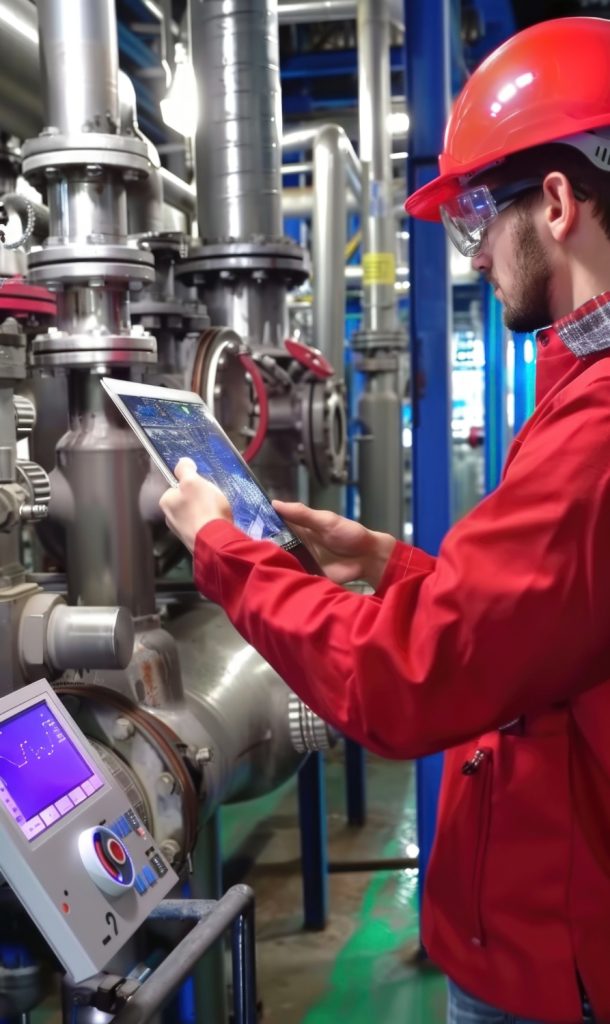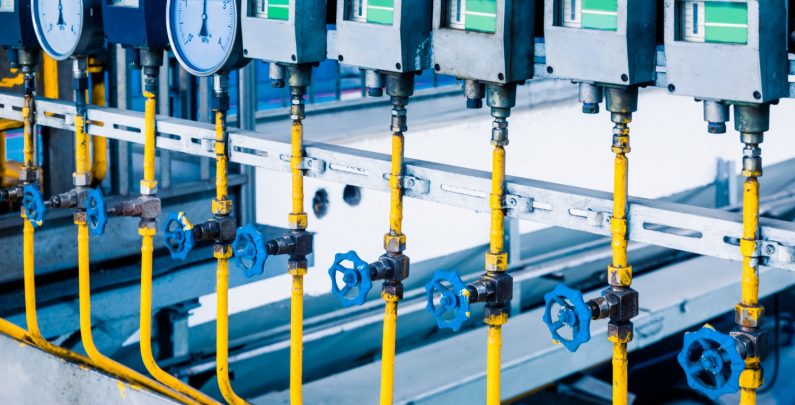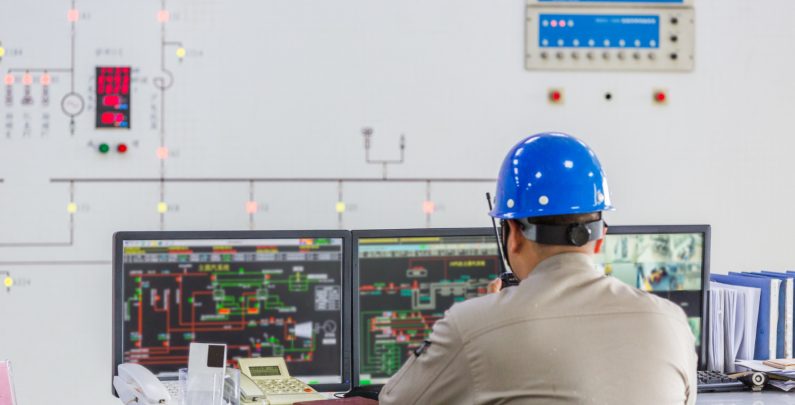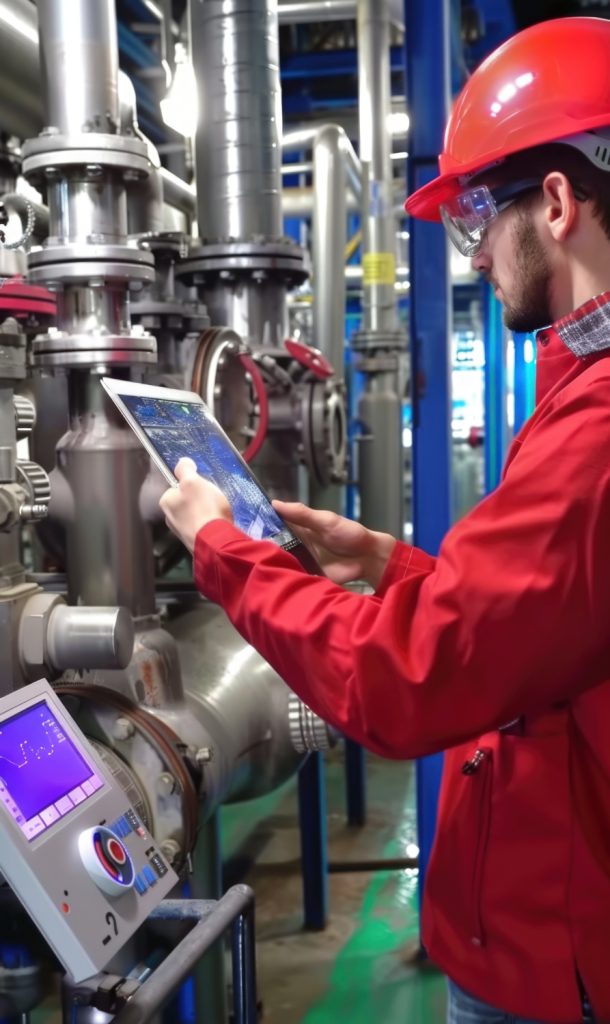
Costo Totale di Possesso

Total Cost of Ownership (TCO): The Key to Winning Industrial Tenders

In the Oil & Gas and Energy industries, the era when tenders were won solely by offering the lowest list price is over. Today, clients seek partners who do not just deliver a plant, but who guarantee the efficiency and sustainability of operations throughout the entire asset lifecycle. The metric that has revolutionized this paradigm is the Total Cost of Ownership (TCO).

Understanding and demonstrating the ability to reduce the Total Cost of Ownership (TCO) is the secret weapon for securing strategic contracts. It is no longer just about how much it costs to build, but how much it will cost to manage the plant over the next 20 years.

To discover our services, click here

Beyond the Initial Price: Defining Industrial TCO

The Total Cost of Ownership (TCO) is the sum of all costs incurred for an asset, from purchase to decommissioning. For an electrical and instrumental plant, TCO consists of four main components:

  1. Initial Cost (CapEx): Engineering, procurement, and installation.
  2. Operating Costs (OpEx): Energy consumption and personnel.
  3. Maintenance Costs: Repairs, spare parts, and downtime.
  4. Risk Costs: Accidents and regulatory non-compliance.

In the Energy and Oil & Gas sectors, the real economic impact lies in the long term: one hour of plant downtime can cost hundreds of thousands of dollars. Therefore, a design aimed at minimizing TCO is a superior value proposition compared to a simple saving on component purchases.

Strategic Engineering Reduces TCO from the Design Phase

ST2’s expertise lies in making electrical and instrumental design an active driver in reducing the Total Cost of Ownership (TCO).

1. Electrical Optimization for Energy Efficiency

Technical choices made during the study phase have repercussions on energy consumption. Through multidisciplinary engineering, we select high-efficiency components, such as Variable Frequency Drives (VFDs) and premium efficiency motors, which significantly reduce long-term operating costs. These interventions, while potentially increasing the initial cost slightly, guarantee a rapid ROI and a significantly lower TCO.

2. Instrumentation for Reliability

Instrumentation is the backbone of process control. We choose only robust, long-lasting measuring instruments (pressure, temperature, flow sensors) that require less frequent calibration and maintenance. Fewer interventions = lower maintenance costs and, above all, less risk of failure and unexpected interruptions.

Costo Totale di Possesso

Automation and Predictivity: The Heart of Optimized TCO

The real revolution in reducing Total Cost of Ownership (TCO) comes from the integration of advanced automation systems:

  • Predictive Maintenance: Integrating smart sensors and SCADA/PLC systems from the design phase enables predictive maintenance. This eliminates costly surprise breakdowns—the number one enemy of TCO—transforming emergency repairs into planned, cost-effective interventions.
  • Risk Mitigation: Control systems and instrumentation designed for maximum safety reduce operational risks and the insurance costs associated with potential accidents.

By presenting a bid that not only lists material costs but also quantifies expected savings in terms of energy and maintenance through these automation solutions, we provide the client with a complete and winning financial perspective.

Conclusion

Today, Total Cost of Ownership (TCO) is the language of excellence. Companies that, like ST2, can translate their engineering and automation expertise into lower operational risk and higher long-term efficiency are destined not only to win tenders but to become strategic partners for the future of energy.

Contact us today to optimize the TCO of your next industrial project!

READ MORE

Maintenance Data Analysis, the Key to a Proactive Industry

Imagine an industrial plant: everything is running perfectly, then suddenly, an unexpected failure halts production. This is the reactive maintenance model—a traditional approach where action is taken only after the damage is done. Today, however, modern industry is moving toward a smarter, more advantageous alternative: predictive maintenance. This approach relies on Maintenance Data Analysis to prevent failures before they occur.

In this article, we compare these two approaches, revealing why investing in monitoring and analysis technologies is the most strategic choice for long-term success.

segui il nostro blog!

Unforeseen Costs and Downtime

Reactive maintenance is the “fix it when it breaks” philosophy. While it may seem simple and low-cost initially, it hides significant pitfalls. A sudden failure causes unplanned production downtime, leading to supply chain disruptions, lost revenue, and often, high costs for emergency repairs. This model is inefficient, unpredictable, and can even pose risks to worker safety. It is not about managing a process; it is about constantly chasing problems.

The Rise of Predictive Maintenance, from Cost to Investment

Predictive maintenance represents an evolutionary leap. Instead of waiting for a breakdown, this approach is based on the continuous monitoring of equipment conditions. Through the use of sensors, IoT (Internet of Things) devices, and advanced analysis software, real-time data is collected on key parameters such as vibration, temperature, pressure, and energy consumption.

By utilizing Maintenance Data Analysis, early signs of wear or anomalies indicating a potential failure can be identified. This allows maintenance teams to schedule interventions exactly when needed, avoiding both sudden shutdowns and the premature replacement of functioning components.

How Data Analysis Transforms Maintenance

The true power of predictive maintenance lies in the ability to transform a constant flow of data into valuable insights. Machine learning algorithms can analyze vast amounts of historical and real-time data to identify patterns and correlations that the human eye could never catch.

The benefits of Maintenance Data Analysis are clear:

  • Downtime Reduction: Planned interventions drastically reduce unplanned machine stoppages.
  • Cost Optimization: Expensive emergency repairs are avoided, and equipment lifespan is maximized.
  • Enhanced Safety: Preventing failures reduces the risk of accidents related to malfunctions.
  • Increased Efficiency: Maintenance is performed only when necessary, optimizing team resources.
Analisi Dati Manutenzione

A Strategic Choice for Growth

Moving from reactive to predictive maintenance is more than just a technological upgrade: it is a strategic choice that positions a company for future growth. Investing in Maintenance Data Analysis means transforming maintenance from a cost center into a driver for efficiency, safety, and competitiveness. For forward-looking businesses, there is no doubt: data analysis is the engine pushing industry toward smarter, more reliable operations.

Contact us today to transform your maintenance into a strategic asset!

READ MORE
Collaudo e Ispezione (T&I)

Testing and Inspection (T&I) Services for Industry

In the industrial plant engineering sector, every successful project is built on reliable components and rigorous verification processes. The Testing and Inspection (T&I) service plays a key role in this journey, ensuring that every supply meets the required technical standards before field installation.

ST2 S.r.l., a company specializing in process engineering, automation, and industrial plants, offers its clients a comprehensive and highly qualified T&I service at supplier premises or directly on-site, both in Italy and abroad.

To discover our services, click here

What is Testing and Inspection (T&I)?

Testing and Inspection (T&I) refers to the set of technical activities aimed at verifying the compliance of materials, components, and electrical and instrumental systems before delivery or installation. This phase allows for:

  • Validating component quality against contractual specifications.
  • Detecting anomalies or defects before shipping.
  • Reducing risks of plant downtime or on-site modifications.
  • Ensuring alignment between design and supply.

It is a strategic activity, especially in complex projects where any error can generate significant delays or additional costs.

ST2’s T&I Service: Our Approach

ST2 supports clients in the complete management of Testing and Inspection (T&I) activities, deploying qualified technical personnel and certified verification tools. Our intervention is scheduled in coordination with suppliers to ensure timely and transparent control. Our activities include:

  • Visual inspection and functional verification of electrical panels, instruments, valves, and sensors.
  • Execution of electrical and mechanical tests according to IEC and CEI standards.
  • Technical documentation and certification review.
  • Drafting of minutes and test reports.
  • Assistance during FAT (Factory Acceptance Test) and SAT (Site Acceptance Test).

The entire process is documented and shared with the client to guarantee maximum traceability and reliability.

Sectors of Operation

Our Testing and Inspection (T&I) service is designed for companies operating in high-complexity sectors, including:

  • Oil & Gas
  • Energy and Power Generation
  • Chemical and Pharmaceutical Industry
  • Water Treatment Plants
  • Process Automation

Thanks to our cross-sector experience, we can manage everything from small instrumental supplies to complete LV/MV electrical systems.

[Image showing a FAT (Factory Acceptance Test) procedure in a specialized workshop]

Why Choose ST2 for Testing and Inspection (T&I)

Partnering with ST2 means having a technical ally capable of preventing problems before they turn into costs. Testing and Inspection (T&I) is not just a technical procedure: it is a key step to ensure reliability, safety, and performance. Investing in well-executed T&I reduces commissioning times and ensures that every component arrives on-site ready to perform.

Contact ST2 today for professional support from the very beginning of your project!

READ MORE
Wellhead Control Panels

Wellhead Control Panels (WHCP) Onshore & Offshore

At the heart of Oil & Gas operations, Wellhead Control Panels (WHCP) represent an essential pillar for ensuring control, safety, and operational continuity. Whether for onshore or offshore facilities, these panels combine pneumo-hydraulic technology with electronic control to manage critical valves under extremely variable conditions. In this article, we explore the key functions of WHCPs, the environmental challenges they face, and the regulations governing their design and installation.

To discover our services, click here

Critical Functions of WHCPs in Demanding Contexts

Wellhead Control Panels play a central role in controlling fundamental valves such as Safety (SSV), Master (MSV), Wing (WSV), Choke, ESD (Emergency Shutdown), and HIPPS (High-Integrity Pressure Protection System).

Thanks to their modular structure, it is possible to configure panels for single or multiple wells, integrating pull-out modules that simplify maintenance and upgrade operations. In offshore environments characterized by difficult access and saline air, this adaptability is vital for maintaining uptime and safety.

Robust Design for Extreme Conditions

Durability is an indispensable requirement. WHCP units are manufactured using certified materials, such as AISI 316 stainless steel, to offer maximum corrosion resistance. To ensure safe operation in the presence of explosive gases, components are selected for compliance with ATEX and IECEx standards. Furthermore, the ability to operate in offshore, desert, or arctic environments demonstrates the reliability of these systems under the most adverse conditions.

Integration with Advanced Control Systems

In modern industrial contexts, interfacing with PLC, DCS, SCADA, and RTU systems is essential. WHCPs integrate seamlessly with local and remote control systems, allowing real-time monitoring of well status and valve positions. Advanced automation requirements are supported by SIL2 or SIL3 design logics, compliant with IEC 61508 standards, certifying functional safety and the ability to react automatically during fault scenarios.

Regulations and Safety Best Practices

Regulatory compliance is fundamental for maintaining integrity in critical plants. Wellhead Control Panels are engineered according to:

  • IEC 61508: For Safety Integrity Levels (SIL), ensuring reliable responses in emergency situations.
  • ATEX and IECEx: For compatibility in explosion-risk areas.
  • International Directives: For onshore and offshore remote control management.

A compliant project achieves perfect integration between advanced technology and safety criteria, significantly reducing operational risks.

Real-World Applications and Success Stories

Offshore facilities in extreme conditions have benefited from WHCPs designed for multiple safety layers and full SCADA integration. Similarly, in onshore plants, the installation of high-quality panels has led to a drastic reduction in maintenance downtime and improved remote supervision.

Conclusion: Engineering Operational Safety

In critical Oil & Gas operations, Wellhead Control Panels are the key elements for ensuring safety, continuity, and integrated well management. Their robust design, adherence to international standards, and seamless integration into control systems make them fundamental components for any sophisticated facility.

Contact ST2 Srl today for professional support in designing and installing customized WHCP solutions!

READ MORE
studio di fattibilità

Why a Feasibility Study Guarantees Efficient Plants

In the design of industrial plants, a rigorous Feasibility Study is not a formality: it is the foundation that determines the safety, efficiency, and sustainability of the entire project. In this article, we will explore the strategic role of preliminary studies, highlighting how defining core diagrams and layouts reduces costs, minimizes risks, and makes the design process more coherent and collaborative for all stakeholders involved.

To discover our services, click here

Definition of Principle Diagrams: The Logic of Operation

Principle diagrams (such as PFDs or P&IDs) are the first concrete representation of the plant: they show process flows, main components, measurement instruments, valves, and maintenance paths.

A well-conducted study allows for:

  • Analytical flow verification, avoiding fundamental design errors.
  • Estimation of dimensions, flow rates, and real pressures before final equipment selection.
  • Facilitating dialogue between technical teams and stakeholders, aligning expectations from the early stages.

An accurate principle diagram identifies potential issues—such as equipment incompatibility or path complexity—before they become expensive to fix.

Feasibility Study Layout: Designing Space Effectively

The preliminary layout translates the process logic into the physical reality of the plant. it focuses on the allocation of machinery, piping, access points, and safety zones.

  • Optimization of Maintenance Paths: Reduces downtime by ensuring easy access for inspections.
  • Manageability: Ensures that operational activities can be carried out without interference.
  • Constraint Consideration: Account for height, component footprint, and accessibility to avoid unrealistic designs.

A layout that is coherent with the principle diagram avoids lengthy readjustments and delays, reducing the risk of modifications during the construction phase and their associated costs.

Reduction of Risks and Design Inconsistencies

A detailed Feasibility Study report, featuring shared diagrams and layouts, leads to a significant reduction in risks:

AspectKey Benefit
System IncompatibilityEliminated during the preliminary phase
Technical ErrorsAvoided through multidisciplinary cross-checks
Operational DelaysLimited thanks to a pre-validated coherent project

Validation by the technical office, the client, and site supervision significantly lowers the risk of bottlenecks, rework, and disputes.

studio di fattibilità

Optimization of Costs and Timelines

  • Fewer Reworks: Defining the system and layout correctly the first time eliminates subsequent revisions.
  • Accurate Component Selection: Prevents unnecessary expenses and over-specification.
  • Timeline Compliance: Starting assembly from validated layouts reduces delays and labor costs.

Stakeholder Engagement and Collaboration

An accurate study promotes:

  • Project Reusability: Validated layouts and diagrams can serve as replicable models for future installations.
  • Shared Decision-Making: Clients and specialized departments (mechanical, electrical, safety) participate actively.
  • Clear Responsibilities: Defined roles prevent overlaps and uncertainty.

Conclusion: An Investment in Excellence

A well-conducted Feasibility Study, with clear principle diagrams and optimized layouts, is the bedrock for building efficient, safe, and sustainable industrial plants. It cuts errors, time, and costs while improving team collaboration.

If you want to guarantee efficiency, quality, and deadline compliance in your next project, a feasibility study is not an option—it is a strategic investment.

Contact ST2 Srl today for professional support from the very start of your project!

READ MORE
sistemi di controllo

Designing Modern Control Systems, integration for Industry 4.0

In the era of Industry 4.0, the design of industrial control systems requires an approach that integrates precision, safety, and interoperability. Companies operating in critical sectors such as Oil & Gas, Energy, and Water Treatment need advanced solutions to ensure operational efficiency and regulatory compliance.

segui il nostro blog!

Precision in Control Systems: The Heart of Automation

Modern Wellhead Control Panels (WHCP) are designed to monitor and manage critical valves, including SCSSV, Master, Wing, Choke, ESD, and HIPPS. Their ability to operate in extreme conditions—handling pressures up to 1,379 bar (20,000 PSI) and fluctuating temperatures—makes them indispensable for maintaining the safety and operational efficiency of high-pressure facilities.

Functional Safety to Protect People and Assets

Safety in Modern Control Systems is not just a matter of compliance; it is an operational imperative. Standards such as ISO 13849 and IEC 61508 provide the framework for designing and validating safety functions. Implementing systems with the appropriate Safety Integrity Levels (SIL) significantly reduces the risk of dangerous failures, protecting both personnel and infrastructure.

Integration and Interoperability: Toward a Connected Industry

The ability to integrate diverse systems and devices is essential for efficient plant management. Platforms like Ignition SCADA offer flexible solutions for supervision and control, supporting a wide range of communication protocols and facilitating real-time data access across the entire enterprise.

sistemi di controllo

Tailor-Made Control Systems for Every Need

Real-world applications demonstrate the effectiveness of integrated solutions. For instance, incorporating WHCPs into offshore platforms allows for precise control of safety valves even in the harshest environments. Similarly, adopting advanced SCADA systems in water treatment plants improves resource management and the speed of response to critical events.

Conclusion: Precision, Safety, and Integration

Designing Modern Control Systems requires a delicate balance between technical precision, functional safety, and system integration. By adopting advanced technologies and international standards, companies can meet the challenges of contemporary industry, enhancing operational efficiency while ensuring maximum safety.

Contact ST2 Srl today for more information on implementing advanced control solutions in your facilities!

READ MORE

WHCP, the heart of pneumohydraulic automation

In an industry such as oil and gas, where safety and reliability are paramount, Wellhead Control Panels (WHCP) are a crucial element for plant control and safety. These integrated systems combine electrical, pneumatic and hydraulic circuits to manage safety and control valves in wellheads, both onshore and offshore.

follow the blog!

Functionality and importance of WHCPs

WHCPs are designed to monitor and control critical valves such as SCSSVs, masters, wings, chokes, ESDs and HIPPS. Their ability to operate in extreme conditions, with pressures up to 1,379 bar (20,000 PSI) and variable temperatures, makes them indispensable for ensuring the safety and operational efficiency of plants.

Advanced technical features

  • Certified safety: Components comply with SIL2 and SIL3 standards according to IEC 61508:2010, ensuring high levels of functional safety.
  • High-quality materials: Made of AISI316 stainless steel, WHCPs offer corrosion resistance and durability.
  • Modular design: Available in single or multi-well versions, with removable modules for easy maintenance.
  • Diverse power supply systems: Can be powered electrically, pneumatically or by gas from the well.
  • Remote and local control: Can be integrated with PLC, DCS, SCADA and RTU systems for efficient monitoring and control.

Applications in critical environments

WHCPs are essential in environments where operating conditions are particularly harsh, such as offshore installations, deserts or arctic regions. Their design allows installation in ATEX and IECEx classified areas, ensuring operation even in the presence of hazardous gases such as H₂S.

Customisation and innovation

WHCP solutions can be customised to meet specific requirements, including features such as:

  • Advanced shutdown systems: Implementation of ‘first out’ logic to quickly identify the cause of a shutdown.
  • Separate accumulator: Dedicated skids for accumulators, equipped with boosters for high-pressure recharging.
  • Green technologies: Low energy consumption design, compatible with power supply via photovoltaic panels.

WHCP for improved safety

Wellhead Control Panels are a fundamental component for the safety and efficiency of oil & gas facilities. Their ability to operate in extreme conditions, combined with the possibility of customisation and integration with advanced control systems, makes them indispensable for tackling the most critical operational challenges.

To learn more about WHCP solutions and discover how they can be integrated into your facilities, please contact ST2 Ltd.

READ MORE
sistemi di riscaldamento

Automation and safety in heating systems

Safety in industrial heating systems is a major concern for companies operating in high-temperature environments. Poorly managed or inadequately monitored heating systems can cause dangerous malfunctions, costly breakdowns and, in the most serious cases, accidents that compromise worker safety and operational efficiency. At ST2 Ltd, we offer advanced automation solutions for heating systems, designed to improve plant safety, reduce the risk of failure and ensure safer and more reliable operations.

follow the blog!

A crucial aspect for industrial operations

Heating systems are essential in many industrial sectors, from manufacturing to materials processing, but their management involves inherent risks, especially when operating in extremely high-temperature environments. Without a continuous monitoring and control system, failures in heating systems can lead to dangerous situations, such as fires, explosions or damage to equipment.

To prevent such risks, it is essential to implement advanced automation solutions that allow every aspect of heating systems to be monitored and controlled. Our automation systems allow you to manage temperature, pressure and flow in real time, ensuring that systems operate within strict safety parameters.

How automation improves the safety of heating systems

Advanced automation integrates intelligent sensors and monitoring systems that constantly analyse the operating conditions of heating systems. The use of temperature and pressure sensors and leak detectors provides accurate, real-time data on all crucial parameters.

When systems detect an abnormal condition, such as a sudden increase in temperature or excessive pressure, automation kicks in, automatically adjusting system operation to prevent breakdowns or dangerous situations. If a serious problem is detected, automation systems can also shut down the plant or activate protective mechanisms to reduce the risk of damage.

Benefits of automation for heating system safety

  1. Prevention of breakdowns and accidents: Thanks to sensors and continuous monitoring, automation allows anomalies to be identified and corrected before they can cause serious damage, preventing breakdowns, fires or explosions.
  2. Real-time control: The ability to constantly monitor temperature and pressure parameters allows immediate intervention in the event of risk, minimising reaction time and improving the overall safety of the plant.
  3. Automation of safety procedures: Automated systems can activate predefined safety measures, such as immediately shutting down heating in the event of an anomaly, reducing manual intervention and the risks associated with human error.
  4. Maintenance optimisation: Predictive automation, combined with continuous monitoring, allows you to predict when a component might fail, reducing the need for sudden interventions and improving resource management.
  5. Compliance with safety regulations: Our automation systems are designed to ensure that heating systems comply with all industrial safety regulations, reducing the risk of non-compliance and improving the protection of workers and equipment.

The ST2 Srl solution for you

At ST2 Ltd, we offer tailor-made solutions for the automation and protection of industrial heating systems. Our solutions include:

  • Continuous monitoring: Sensor systems that constantly monitor temperature, pressure and other crucial parameters.
  • Automatic control: Automatic adjustment of parameters to avoid dangerous situations.
  • Alarm systems: Detection of anomalies with immediate alarms for rapid intervention.
  • Predictive maintenance: Optimisation of maintenance operations through real-time data analysis, reducing unexpected breakdowns.

Our solutions not only improve safety, but also help to increase operational efficiency and reduce the overall costs of managing heating systems.

The future of safety in heating systems

With technological advances, the future of industrial heating systems will increasingly focus on smart, automated solutions. Automation not only improves safety, but also allows for optimised resource management, reducing energy consumption and improving environmental sustainability. At ST2 Ltd, we are ready to take your industrial operations to the next level by integrating automation for safe and efficient heating system management.

Contact us today to find out how we can protect your heating systems with advanced automation solutions and ensure the safety and reliability of your industrial operations. Predictive maintenance tailored to your needs, improving the management and maintenance of your industrial operations.

READ MORE
manutenzione predittiva

Predictive maintenance in automation with St2srl

In today’s industrial landscape, operational efficiency is essential for competitiveness. A crucial aspect of optimising performance is maintenance, which has traditionally been based on reactive interventions, addressing failures only when they occur. However, thanks to predictive automation, it is now possible to anticipate failures before they happen, drastically reducing downtime and operating costs. At ST2 Ltd, we offer advanced automation and predictive maintenance solutions that enable industrial companies to optimise their operations and ensure maximum efficiency and reliability.

follow the blog!

What is predictive maintenance in automation and why is it crucial?

Predictive maintenance is a strategy that harnesses the power of automated systems to monitor the condition of industrial plants in real time. Through the use of smart sensors and monitoring devices, data is continuously collected and analysed to predict any faults or anomalies in machinery. This approach allows problems to be anticipated, enabling maintenance to be scheduled before serious damage occurs.

Unlike traditional methods, which are based on predefined maintenance intervals or unexpected failures, predictive maintenance reduces unnecessary interventions and optimises resources, lowering overall management costs.

How does predictive automation work in maintenance?

Predictive automation integrates advanced sensors and monitoring software that continuously collect vital data on the operating conditions of industrial plants. Automated systems analyse this data in real time to detect any signs of wear or impending malfunction.

When the system identifies an anomaly, such as abnormal vibrations, temperature fluctuations or changes in operating parameters, it immediately intervenes to adjust operations or send an alarm to the maintenance team. This allows for efficient planning of interventions, reducing machine downtime and preventing costly or damaging breakdowns.

Benefits of predictive automation for businesses

Adopting a predictive automation system brings numerous concrete benefits for industrial operations:

  • Reduced downtime: Systems are monitored in real time, allowing action to be taken before unexpected failures occur. This approach significantly reduces downtime, improving operational continuity.
  • Optimisation of maintenance costs: Predictive maintenance eliminates unnecessary interventions and allows you to focus only on real needs. This reduces costs associated with extraordinary maintenance and replacement of expensive components.
  • Increased plant life: By continuously monitoring machine conditions and taking timely action, predictive maintenance helps extend the useful life of plants, improving long-term performance.
  • Increased reliability and safety: Automated systems allow anomalies to be detected and corrected in real time, reducing the risk of sudden failures that could compromise workplace safety.
  • Improved energy efficiency: By optimising machine operation and preventing failures, predictive automation helps reduce energy consumption, thereby improving overall energy efficiency.

The future of predictive automation

The future of predictive automation is closely linked to continuous advances in digital technologies and data collection. The integration of advanced monitoring systems and automation will enable companies to achieve ever-higher levels of operational efficiency and cost reduction. Predictive solutions are becoming increasingly accurate, thanks to their ability to analyse huge volumes of data and provide increasingly accurate forecasts.

At ST2 Ltd, we are ready to support your company on this path of innovation, offering advanced predictive automation solutions designed to optimise every phase of industrial operations. Our technologies are designed to reduce risks, improve productivity and ensure the continuous and efficient operation of your plants.

Contact us today to find out how we can implement predictive automation solutions tailored to your needs, improving the management and maintenance of your industrial operations.

READ MORE
risorse idriche

Control and monitoring systems for water resources

Efficient water management is essential to ensure environmental sustainability and the smooth running of cities and industries. Water is a vital resource, but its availability and quality are increasingly threatened by factors such as climate change, pollution and rising demand. In this context, automation and advanced monitoring are essential tools for optimising water management, reducing waste and improving operational efficiency. At ST2 Ltd, we offer cutting-edge control and monitoring solutions for water treatment and management, meeting the needs of efficiency, safety and sustainability.

follow the blog!

Process automation, the crucial role of control systems

Water management, both in urban and industrial settings, requires precise control of water flow, quality and pressure. An automated control system allows all these parameters to be constantly monitored and adjusted in real time, ensuring fair and safe water distribution. Our advanced systems use smart sensors to detect any changes in key parameters, such as pH, temperature, dissolved oxygen level, and turbidity, which could indicate anomalies or risk situations.

Furthermore, the integration of control systems allows for optimised resource management, reducing energy consumption and water losses, and improving the reliability and durability of water infrastructure. This is particularly important in a context where water is an increasingly scarce and precious resource.

Remote monitoring and real-time control

Automation offers the advantage of remote monitoring, allowing water management systems to be monitored from anywhere, at any time. Using IoT (Internet of Things) technologies, data from sensors is collected and sent to centralised platforms that process the information in real time, allowing managers to intervene quickly when necessary.

This type of monitoring is particularly useful for cities, where water resource management involves complex and extensive networks. For example, thanks to automated systems, it is possible to identify leaks in pipes in real time, optimise consumption and prevent water shortages in specific areas, significantly reducing the risk of service interruptions.

Automation for water resource management

In water treatment, automation is essential to ensure that wastewater is treated effectively and that drinking water remains safe and of high quality. Our water treatment automation systems can automatically monitor and regulate filtration, disinfection and purification processes, ensuring compliance with environmental and regulatory standards.

In addition, the use of advanced technologies such as predictive maintenance allows the health of equipment and infrastructure to be monitored, reducing downtime and improving operational efficiency. This helps to reduce operating costs and increases the longevity of treatment plants.

Benefits of control and monitoring systems

Adopting automated solutions for controlling and monitoring water resources brings numerous benefits:

  1. Greater operational efficiency: Automated control systems allow for better management of water flows, improving efficiency and reducing waste.
  2. Continuous monitoring and fault prevention: With real-time monitoring systems, leaks or problems in water systems can be detected immediately, allowing action to be taken before significant damage occurs.
  3. Sustainability and energy savings: Optimising water use contributes to more sustainable management by reducing energy consumption and water loss.
  4. Regulatory compliance: Automated systems ensure that operations always comply with local standards and regulations, improving water quality and safety.

The future of water resource management

The water management sector is constantly evolving, and technology plays an increasingly important role in improving efficiency and sustainability. Automated solutions, such as advanced monitoring systems and IoT integration, are the future of water management, enabling cities and industries to address the challenges of water scarcity and climate change.

At ST2 Ltd, we are committed to providing innovative solutions for water resource management, offering monitoring and control technologies that optimise every stage of the process, from distribution to purification. With our experience and expertise, we help our customers ensure safe, efficient and sustainable water management.

Contact us today to find out how we can optimise your industrial processes and take your business into the future of automation.

READ MORE