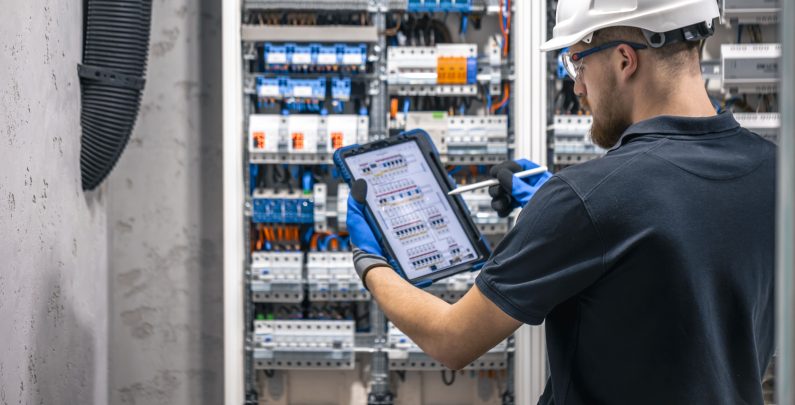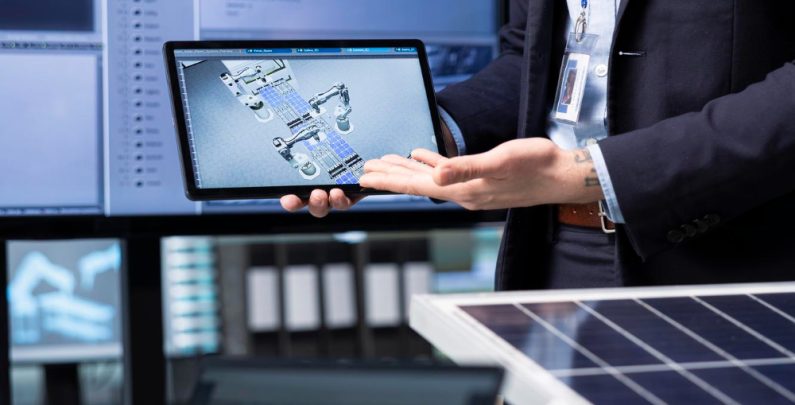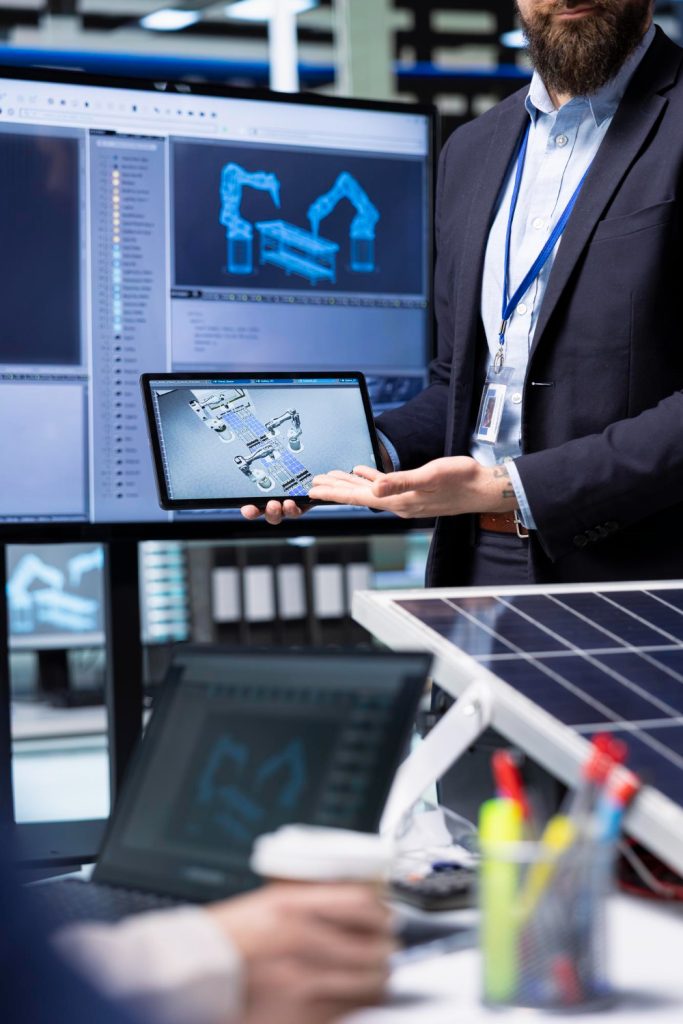
Project management industriale integrato

Integrated Industrial Project Management Solutions

In modern industry, the realization of complex electrical and instrumental plants cannot be left to chance. Every phase, from conception to commissioning, requires precision, coordination, and a comprehensive vision. This is where Integrated Industrial Project Management emerges as a critical success factor.

At ST2 Srl, we understand this deeply: our ability to manage the entire project lifecycle—from the initial technical specifications to the final control room testing—guarantees efficiency, adherence to timelines and budgets, and an impeccable result.

To discover our services, click here

Orchestration in Complex Environments

An industrial project, especially in the Oil & Gas or Energy sectors, is a complex orchestra of disciplines, suppliers, deadlines, and regulations. Without solid Industrial Project Management, the risks of delays, cost overruns, misunderstandings, and non-compliance increase exponentially. While many focus solely on technical execution, the real difference is made by those who can connect every dot, from the design table to the construction site and operational start-up.

Our Methodology: A Guaranteed Efficiency Cycle

For us at ST2 Srl, Integrated Industrial Project Management is not a linear sequence but a virtuous cycle of control. Our approach ensures the project suffers no interruptions, extra costs, or interface defects, transforming risk into predictability.

1. Zero Criticalities from the Bid Phase (Specification Analysis)

Control begins before the contract is even signed. We analyze every specification to identify potential bottlenecks or areas of ambiguity. This allows us to transform complex requirements into a clear action plan, anticipating problems that others would only discover on-site.

2. Technical and Multidisciplinary Integration

Synergy is our strength. Our electrical, instrumental, and automation teams work on a single integrated model. This eliminates compatibility errors between systems, ensuring that every component—from the electrical cabin to the sensors—is designed for perfect operational cohesion.

3. Stress-Free Logistics and Procurement

Our Project Manager serves as the single point of contact, coordinating a network of qualified suppliers. We manage procurement, compliance verification, and site logistics with the goal of ensuring the right materials arrive exactly when needed, strictly adhering to the schedule.

4. “Turnkey” Testing and Immediate Operability

Our responsibility doesn’t end with installation. We meticulously follow every phase of commissioning and final testing, from loop tests of individual instruments to the complete verification of the control room. We deliver a certified, tested plant ready to operate at peak performance from day zero.

Client Benefits of Integrated Industrial Project Management

Partnering with ST2 Srl for your project management needs provides:

  • Single Point of Contact: Greater communication and decision-making efficiency.
  • Maximum Predictability: No more delays or unexpected extra costs.
  • Risk Reduction: Proactive management of critical issues and high construction quality.

Conclusion

At ST2 Srl, our experience and methodology in Integrated Industrial Project Management are the guarantee that your investment will translate into an efficient, safe, and high-performing plant, from the initial specifications to the fully functional cabin.

Contact us today to ensure the success of your next industrial project!

READ MORE
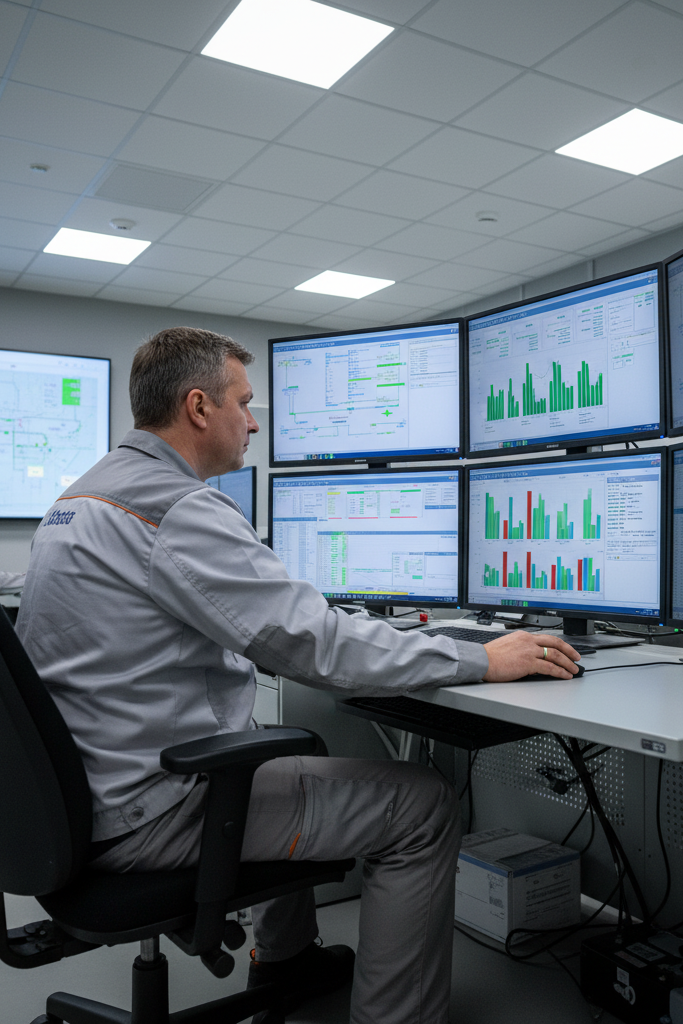
Ergonomia sala controllo

Control Room Ergonomics & HCD: Reducing Human Error

The control room and its ergonomics are the nerve center of any industrial plant, be it a refinery, a power plant, or a gas distribution hub. It is the place where critical decisions are made in fractions of a second. For decades, the focus was solely on the technology installed. Today, however, we know that the greatest operational risk is not technological, but human.

This is where Control Room Ergonomics and the Human-Centred Design (HCD) approach come into play. It is no longer just about where to place a monitor, but about applying science to design an environment that minimizes fatigue, optimizes cognitive capacity, and ultimately reduces operational error.

To discover our services, click here

From Adaptation to Design: Control Room Ergonomics

HCD represents a paradigm shift: we stop asking the operator to adapt to complex systems and instead design the environment and technology to adapt to human limits and capabilities.

An effective design focuses on reducing cognitive load and fatigue. Our approach is based on the integration of three fundamental elements:

  • Workflow Design: Optimizing the physical layout of workstations to reflect operating procedures and improve communication and collaboration among team members.
  • Cognitive and Visual Ergonomics: Designing HMI/SCADA consoles and screens with a clear information hierarchy. This minimizes distractions and allows for fast, accurate decisions in critical situations.
  • Environmental Ergonomics: Scientific control of factors such as lighting (often dynamic to support night shifts), acoustic alarm management, and thermal control to minimize stress and drowsiness.

Safety and Value: The Benefits of HCD

The benefits of a facility based on professional Control Room Ergonomics are direct and measurable:

  1. Drastic Reduction in Operational Error: The single most determining factor in preventing accidents and unplanned downtime.
  2. Increased Efficiency: Faster response times during emergencies and better productivity during routine tasks.
  3. Improved Staff Retention: A less stressful work environment translates to higher satisfaction and lower turnover among specialized technicians.

Investing in HCD means protecting assets and, above all, human capital. Modern engineering is not limited to connecting technology; it designs the perfect interface between the most advanced machine and the most crucial element: the human being.

Ergonomia sala controllo

Why Choose ST2 Srl

ST2 Srl, with its deep experience in multidisciplinary engineering and instrumental automation, specializes in transforming your control environments into safe, high-performing operational centers through advanced Control Room Ergonomics and HCD.

Contact us today to redesign your control room for peak performance!

READ MORE
Costo Totale di Possesso

Total Cost of Ownership (TCO): The Key to Winning Industrial Tenders

In the Oil & Gas and Energy industries, the era when tenders were won solely by offering the lowest list price is over. Today, clients seek partners who do not just deliver a plant, but who guarantee the efficiency and sustainability of operations throughout the entire asset lifecycle. The metric that has revolutionized this paradigm is the Total Cost of Ownership (TCO).

Understanding and demonstrating the ability to reduce the Total Cost of Ownership (TCO) is the secret weapon for securing strategic contracts. It is no longer just about how much it costs to build, but how much it will cost to manage the plant over the next 20 years.

To discover our services, click here

Beyond the Initial Price: Defining Industrial TCO

The Total Cost of Ownership (TCO) is the sum of all costs incurred for an asset, from purchase to decommissioning. For an electrical and instrumental plant, TCO consists of four main components:

  1. Initial Cost (CapEx): Engineering, procurement, and installation.
  2. Operating Costs (OpEx): Energy consumption and personnel.
  3. Maintenance Costs: Repairs, spare parts, and downtime.
  4. Risk Costs: Accidents and regulatory non-compliance.

In the Energy and Oil & Gas sectors, the real economic impact lies in the long term: one hour of plant downtime can cost hundreds of thousands of dollars. Therefore, a design aimed at minimizing TCO is a superior value proposition compared to a simple saving on component purchases.

Strategic Engineering Reduces TCO from the Design Phase

ST2’s expertise lies in making electrical and instrumental design an active driver in reducing the Total Cost of Ownership (TCO).

1. Electrical Optimization for Energy Efficiency

Technical choices made during the study phase have repercussions on energy consumption. Through multidisciplinary engineering, we select high-efficiency components, such as Variable Frequency Drives (VFDs) and premium efficiency motors, which significantly reduce long-term operating costs. These interventions, while potentially increasing the initial cost slightly, guarantee a rapid ROI and a significantly lower TCO.

2. Instrumentation for Reliability

Instrumentation is the backbone of process control. We choose only robust, long-lasting measuring instruments (pressure, temperature, flow sensors) that require less frequent calibration and maintenance. Fewer interventions = lower maintenance costs and, above all, less risk of failure and unexpected interruptions.

Costo Totale di Possesso

Automation and Predictivity: The Heart of Optimized TCO

The real revolution in reducing Total Cost of Ownership (TCO) comes from the integration of advanced automation systems:

  • Predictive Maintenance: Integrating smart sensors and SCADA/PLC systems from the design phase enables predictive maintenance. This eliminates costly surprise breakdowns—the number one enemy of TCO—transforming emergency repairs into planned, cost-effective interventions.
  • Risk Mitigation: Control systems and instrumentation designed for maximum safety reduce operational risks and the insurance costs associated with potential accidents.

By presenting a bid that not only lists material costs but also quantifies expected savings in terms of energy and maintenance through these automation solutions, we provide the client with a complete and winning financial perspective.

Conclusion

Today, Total Cost of Ownership (TCO) is the language of excellence. Companies that, like ST2, can translate their engineering and automation expertise into lower operational risk and higher long-term efficiency are destined not only to win tenders but to become strategic partners for the future of energy.

Contact us today to optimize the TCO of your next industrial project!

READ MORE

Maintenance Data Analysis, the Key to a Proactive Industry

Imagine an industrial plant: everything is running perfectly, then suddenly, an unexpected failure halts production. This is the reactive maintenance model—a traditional approach where action is taken only after the damage is done. Today, however, modern industry is moving toward a smarter, more advantageous alternative: predictive maintenance. This approach relies on Maintenance Data Analysis to prevent failures before they occur.

In this article, we compare these two approaches, revealing why investing in monitoring and analysis technologies is the most strategic choice for long-term success.

segui il nostro blog!

Unforeseen Costs and Downtime

Reactive maintenance is the “fix it when it breaks” philosophy. While it may seem simple and low-cost initially, it hides significant pitfalls. A sudden failure causes unplanned production downtime, leading to supply chain disruptions, lost revenue, and often, high costs for emergency repairs. This model is inefficient, unpredictable, and can even pose risks to worker safety. It is not about managing a process; it is about constantly chasing problems.

The Rise of Predictive Maintenance, from Cost to Investment

Predictive maintenance represents an evolutionary leap. Instead of waiting for a breakdown, this approach is based on the continuous monitoring of equipment conditions. Through the use of sensors, IoT (Internet of Things) devices, and advanced analysis software, real-time data is collected on key parameters such as vibration, temperature, pressure, and energy consumption.

By utilizing Maintenance Data Analysis, early signs of wear or anomalies indicating a potential failure can be identified. This allows maintenance teams to schedule interventions exactly when needed, avoiding both sudden shutdowns and the premature replacement of functioning components.

How Data Analysis Transforms Maintenance

The true power of predictive maintenance lies in the ability to transform a constant flow of data into valuable insights. Machine learning algorithms can analyze vast amounts of historical and real-time data to identify patterns and correlations that the human eye could never catch.

The benefits of Maintenance Data Analysis are clear:

  • Downtime Reduction: Planned interventions drastically reduce unplanned machine stoppages.
  • Cost Optimization: Expensive emergency repairs are avoided, and equipment lifespan is maximized.
  • Enhanced Safety: Preventing failures reduces the risk of accidents related to malfunctions.
  • Increased Efficiency: Maintenance is performed only when necessary, optimizing team resources.
Analisi Dati Manutenzione

A Strategic Choice for Growth

Moving from reactive to predictive maintenance is more than just a technological upgrade: it is a strategic choice that positions a company for future growth. Investing in Maintenance Data Analysis means transforming maintenance from a cost center into a driver for efficiency, safety, and competitiveness. For forward-looking businesses, there is no doubt: data analysis is the engine pushing industry toward smarter, more reliable operations.

Contact us today to transform your maintenance into a strategic asset!

READ MORE
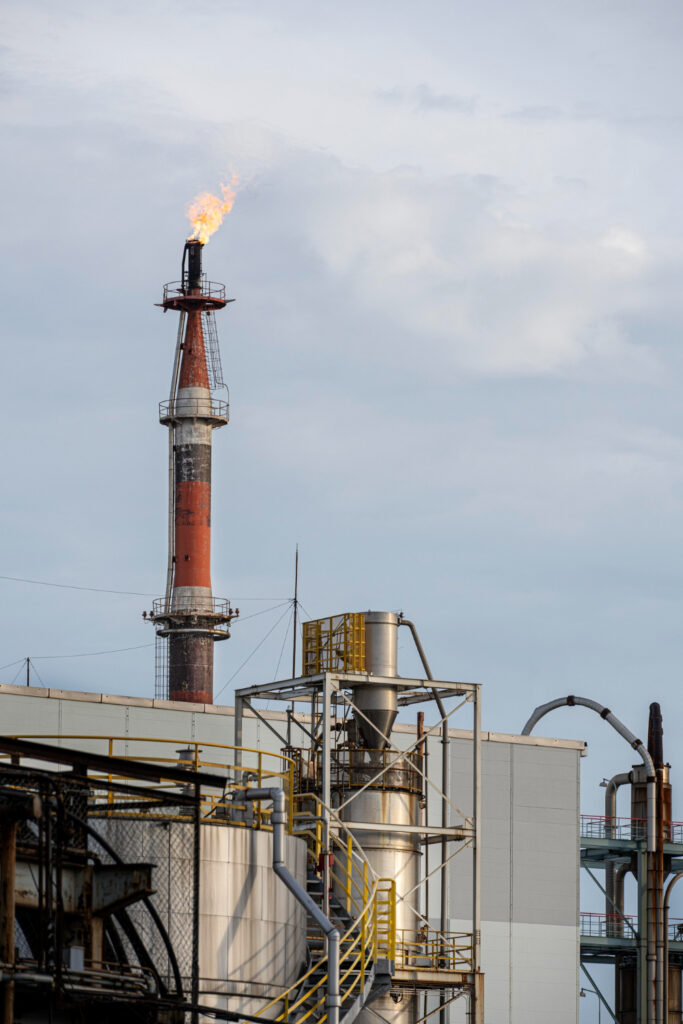
transizione energetica O&G

O&G Energy Transition, engineering & Automation Roles

The O&G Energy Transition is one of the greatest challenges and opportunities of our time. The global imperative to reduce carbon emissions and combat climate change is reshaping every aspect of the energy sector. At the center of this epochal shift lies the Oil & Gas industry—a pillar of the world economy that now stands at a crossroads: adapt or risk obsolescence. In this context, engineering and automation emerge as the fundamental driving forces to guide the conversion toward renewable sources and more sustainable processes.

To discover our services, click here

The Challenges of O&G Energy Transition: From Obstacles to Innovation

For decades, the O&G industry has perfected the extraction and processing of fossil fuels. The O&G Energy Transition requires more than just a change of course; it demands a radical transformation of infrastructure, skills, and business models. Key challenges include the need to reduce emissions (Scope 1, 2, and 3), intense regulatory pressure, and the adaptation of costly, complex assets. However, these challenges are also catalysts for unprecedented innovation.Le sfide della transizione energetica O&G, da ostacoli a motori di innovazione

transizione energetica O&G

The Role of Multidisciplinary Engineering in the New Scenario

Engineering is the heart of the response to these challenges. A multidisciplinary approach—combining mechanical, chemical, electrical, and civil expertise—is essential for the success of the O&G Energy Transition. Engineers are no longer just optimizing traditional processes; they are designing entirely new ones:

  • Carbon Capture, Utilization, and Storage (CCUS): Designing systems to capture, transport, and store CO2 produced by existing plants.
  • Hydrogen Engineering: Creating facilities for the production (Green and Blue Hydrogen), transport, and storage of hydrogen—the energy carrier of the future.
  • Asset Conversion: Reconfiguring refineries and plants for advanced biofuel production or integrating renewable power sources.

Automation: The Path to Efficiency and Sustainability

While engineering designs the “what,” automation handles the “how,” making processes more efficient, safe, and clean. Plant digitalization is the pillar of modernization:

  • Process Control: Advanced PLC and SCADA systems optimize energy consumption, product yield, and raw material use, reducing waste and emissions in real-time.
  • Predictive Maintenance: Data analysis supported by IoT predicts equipment failure before it occurs, ensuring maximum operational efficiency.
  • Safety: Automating high-risk processes protects personnel and prevents environmental incidents.

The Future is Already Here

The O&G Energy Transition is no longer a future concept; it is a reality in motion. O&G companies have a unique opportunity to reinvent themselves, using engineering and automation as strategic levers. Investing in these skills means more than just complying with new regulations—it means creating new business opportunities and securing a central role in tomorrow’s energy landscape.

Contact ST2 Srl today for professional support from the very start of your plant’s journey!

READ MORE
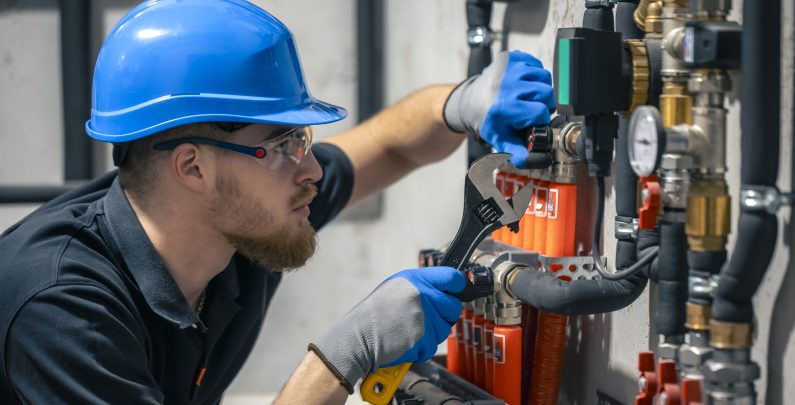
Collaudo e Ispezione (T&I)

Testing and Inspection (T&I) Services for Industry

In the industrial plant engineering sector, every successful project is built on reliable components and rigorous verification processes. The Testing and Inspection (T&I) service plays a key role in this journey, ensuring that every supply meets the required technical standards before field installation.

ST2 S.r.l., a company specializing in process engineering, automation, and industrial plants, offers its clients a comprehensive and highly qualified T&I service at supplier premises or directly on-site, both in Italy and abroad.

To discover our services, click here

What is Testing and Inspection (T&I)?

Testing and Inspection (T&I) refers to the set of technical activities aimed at verifying the compliance of materials, components, and electrical and instrumental systems before delivery or installation. This phase allows for:

  • Validating component quality against contractual specifications.
  • Detecting anomalies or defects before shipping.
  • Reducing risks of plant downtime or on-site modifications.
  • Ensuring alignment between design and supply.

It is a strategic activity, especially in complex projects where any error can generate significant delays or additional costs.

ST2’s T&I Service: Our Approach

ST2 supports clients in the complete management of Testing and Inspection (T&I) activities, deploying qualified technical personnel and certified verification tools. Our intervention is scheduled in coordination with suppliers to ensure timely and transparent control. Our activities include:

  • Visual inspection and functional verification of electrical panels, instruments, valves, and sensors.
  • Execution of electrical and mechanical tests according to IEC and CEI standards.
  • Technical documentation and certification review.
  • Drafting of minutes and test reports.
  • Assistance during FAT (Factory Acceptance Test) and SAT (Site Acceptance Test).

The entire process is documented and shared with the client to guarantee maximum traceability and reliability.

Sectors of Operation

Our Testing and Inspection (T&I) service is designed for companies operating in high-complexity sectors, including:

  • Oil & Gas
  • Energy and Power Generation
  • Chemical and Pharmaceutical Industry
  • Water Treatment Plants
  • Process Automation

Thanks to our cross-sector experience, we can manage everything from small instrumental supplies to complete LV/MV electrical systems.

[Image showing a FAT (Factory Acceptance Test) procedure in a specialized workshop]

Why Choose ST2 for Testing and Inspection (T&I)

Partnering with ST2 means having a technical ally capable of preventing problems before they turn into costs. Testing and Inspection (T&I) is not just a technical procedure: it is a key step to ensure reliability, safety, and performance. Investing in well-executed T&I reduces commissioning times and ensures that every component arrives on-site ready to perform.

Contact ST2 today for professional support from the very beginning of your project!

READ MORE
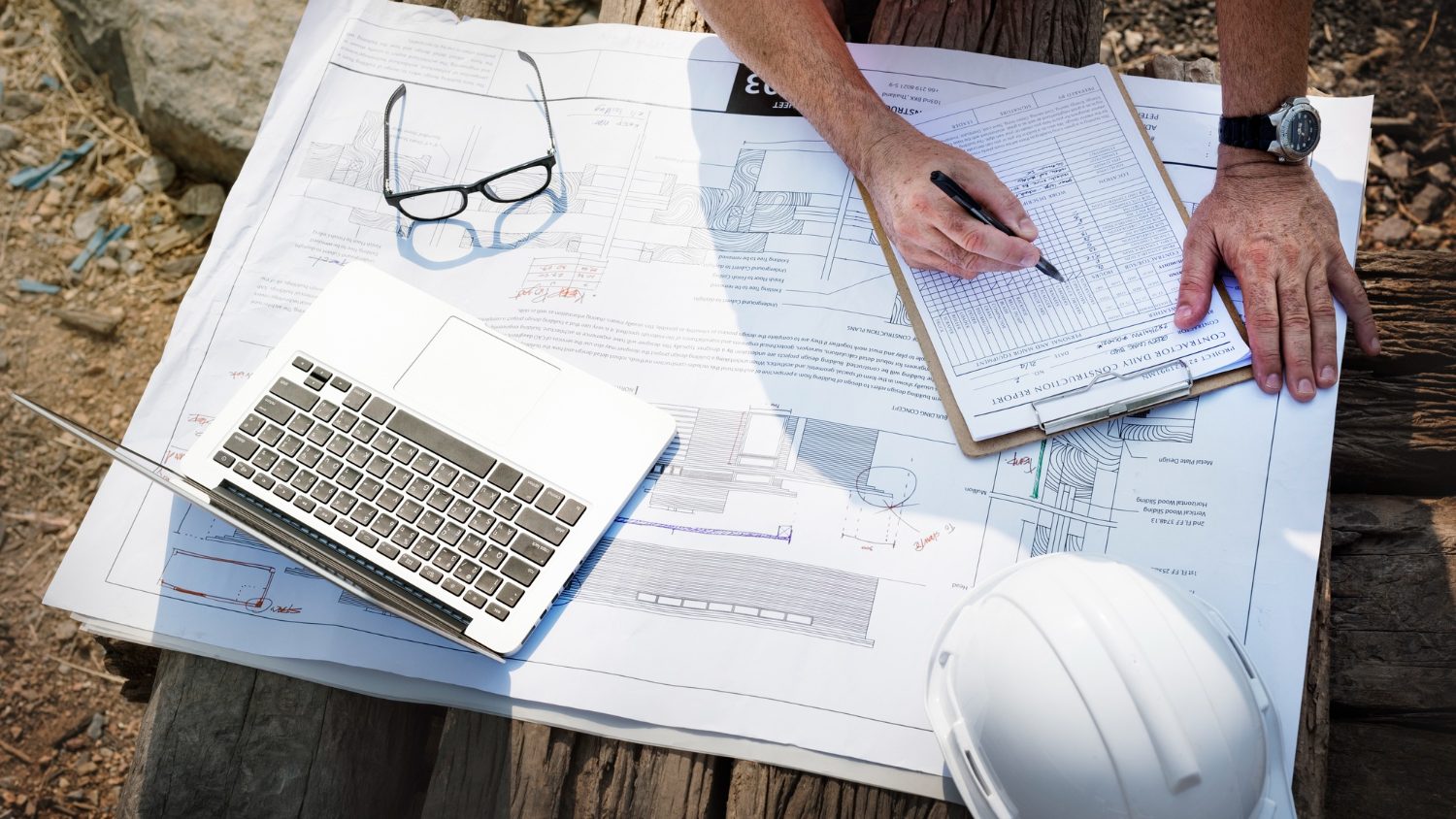
ingegneria di Gara

Bid Engineering, Technical Expertise for Winning Tenders

In the context of industrial engineering and process plants, technical documentation for tenders is much more than a mandatory step. It is a strategic lever that can determine the outcome of a bid, decisively influencing the perceived technical value of the offer.

For this reason, ST2 S.r.l. supports companies in preparing all necessary technical components, offering a comprehensive Bid Engineering service capable of transforming technical expertise into a concrete competitive advantage.

To discover our services, click here

What is Bid Engineering and Why Does It Matter?

Bid Engineering consists of preparing the design documentation required during the tendering phase: not just diagrams and drawings, but also estimates, analyses, timelines, and fundamental technical details to ensure the offer’s validity.

This phase typically includes:

  • Preliminary studies and plant layouts.
  • Functional technical specifications.
  • Cost and material estimates (MTO – Material Take Off).
  • Technical schedules and project milestones.

Its goal is twofold: to respond precisely to the call for tenders and to communicate reliability, competence, and project vision.

The ST2 Method: Experience and Reliability

With experience dating back to the 1980s in industrial engineering, ST2 manages every phase of technical tender documentation with an integrated and result-oriented approach.

Our engineers work closely with the client’s technical and commercial teams to transform the contracting authority’s requirements into a concrete, well-documented proposal consistent with the company’s real operational capabilities. All solutions are studied to be technically and economically competitive, aiming to anticipate potential criticalities and increase the probability of award.

ingegneria di Gara

The ST2 Method: Experience and Reliability

With experience dating back to the 1980s in industrial engineering, ST2 manages every phase of technical tender documentation with an integrated and result-oriented approach.

Our engineers work closely with the client’s technical and commercial teams to transform the contracting authority’s requirements into a concrete, well-documented proposal consistent with the company’s real operational capabilities. All solutions are studied to be technically and economically competitive, aiming to anticipate potential criticalities and increase the probability of award.

Areas of Application

ST2’s Bid Engineering services are applied across numerous sectors, including:

  • Industrial process plants (Oil & Gas, Chemical, Pharmaceutical).
  • Electrical and instrumental engineering.
  • Automation and control systems.
  • Complex industrial infrastructures.

We are active in both public tenders and private bids, with specific skills that adapt to every type of plant and technical regulation.

Why Invest in High-Quality Technical Documentation?

Well-structured technical documentation does more than satisfy formal requirements; it highlights the real value of the proposal. In high-competition environments, the best price is not enough. A convincing, solid, and well-presented technical design is required.

Bid Engineering is today a true strategic asset:

  1. Conveys Reliability: Shows the client you understand the project’s complexity.
  2. Reduces Risk: Minimizes the chance of exclusion due to technical non-compliance.
  3. Clarity: Offers a clear vision of how the company will execute the project.

Contact Us for Comprehensive Support

ST2 is the ideal partner for companies looking to participate in tenders with impeccable technical documentation. We offer tailor-made support, from the study phase to the final delivery of documents.

📧 info@st2srl.com
🌐 www.st2srl.com

Contact ST2 Srl today for professional support from the very start of your design process!

READ MORE
Wellhead Control Panels

Wellhead Control Panels (WHCP) Onshore & Offshore

At the heart of Oil & Gas operations, Wellhead Control Panels (WHCP) represent an essential pillar for ensuring control, safety, and operational continuity. Whether for onshore or offshore facilities, these panels combine pneumo-hydraulic technology with electronic control to manage critical valves under extremely variable conditions. In this article, we explore the key functions of WHCPs, the environmental challenges they face, and the regulations governing their design and installation.

To discover our services, click here

Critical Functions of WHCPs in Demanding Contexts

Wellhead Control Panels play a central role in controlling fundamental valves such as Safety (SSV), Master (MSV), Wing (WSV), Choke, ESD (Emergency Shutdown), and HIPPS (High-Integrity Pressure Protection System).

Thanks to their modular structure, it is possible to configure panels for single or multiple wells, integrating pull-out modules that simplify maintenance and upgrade operations. In offshore environments characterized by difficult access and saline air, this adaptability is vital for maintaining uptime and safety.

Robust Design for Extreme Conditions

Durability is an indispensable requirement. WHCP units are manufactured using certified materials, such as AISI 316 stainless steel, to offer maximum corrosion resistance. To ensure safe operation in the presence of explosive gases, components are selected for compliance with ATEX and IECEx standards. Furthermore, the ability to operate in offshore, desert, or arctic environments demonstrates the reliability of these systems under the most adverse conditions.

Integration with Advanced Control Systems

In modern industrial contexts, interfacing with PLC, DCS, SCADA, and RTU systems is essential. WHCPs integrate seamlessly with local and remote control systems, allowing real-time monitoring of well status and valve positions. Advanced automation requirements are supported by SIL2 or SIL3 design logics, compliant with IEC 61508 standards, certifying functional safety and the ability to react automatically during fault scenarios.

Regulations and Safety Best Practices

Regulatory compliance is fundamental for maintaining integrity in critical plants. Wellhead Control Panels are engineered according to:

  • IEC 61508: For Safety Integrity Levels (SIL), ensuring reliable responses in emergency situations.
  • ATEX and IECEx: For compatibility in explosion-risk areas.
  • International Directives: For onshore and offshore remote control management.

A compliant project achieves perfect integration between advanced technology and safety criteria, significantly reducing operational risks.

Real-World Applications and Success Stories

Offshore facilities in extreme conditions have benefited from WHCPs designed for multiple safety layers and full SCADA integration. Similarly, in onshore plants, the installation of high-quality panels has led to a drastic reduction in maintenance downtime and improved remote supervision.

Conclusion: Engineering Operational Safety

In critical Oil & Gas operations, Wellhead Control Panels are the key elements for ensuring safety, continuity, and integrated well management. Their robust design, adherence to international standards, and seamless integration into control systems make them fundamental components for any sophisticated facility.

Contact ST2 Srl today for professional support in designing and installing customized WHCP solutions!

READ MORE
studio di fattibilità

Why a Feasibility Study Guarantees Efficient Plants

In the design of industrial plants, a rigorous Feasibility Study is not a formality: it is the foundation that determines the safety, efficiency, and sustainability of the entire project. In this article, we will explore the strategic role of preliminary studies, highlighting how defining core diagrams and layouts reduces costs, minimizes risks, and makes the design process more coherent and collaborative for all stakeholders involved.

To discover our services, click here

Definition of Principle Diagrams: The Logic of Operation

Principle diagrams (such as PFDs or P&IDs) are the first concrete representation of the plant: they show process flows, main components, measurement instruments, valves, and maintenance paths.

A well-conducted study allows for:

  • Analytical flow verification, avoiding fundamental design errors.
  • Estimation of dimensions, flow rates, and real pressures before final equipment selection.
  • Facilitating dialogue between technical teams and stakeholders, aligning expectations from the early stages.

An accurate principle diagram identifies potential issues—such as equipment incompatibility or path complexity—before they become expensive to fix.

Feasibility Study Layout: Designing Space Effectively

The preliminary layout translates the process logic into the physical reality of the plant. it focuses on the allocation of machinery, piping, access points, and safety zones.

  • Optimization of Maintenance Paths: Reduces downtime by ensuring easy access for inspections.
  • Manageability: Ensures that operational activities can be carried out without interference.
  • Constraint Consideration: Account for height, component footprint, and accessibility to avoid unrealistic designs.

A layout that is coherent with the principle diagram avoids lengthy readjustments and delays, reducing the risk of modifications during the construction phase and their associated costs.

Reduction of Risks and Design Inconsistencies

A detailed Feasibility Study report, featuring shared diagrams and layouts, leads to a significant reduction in risks:

AspectKey Benefit
System IncompatibilityEliminated during the preliminary phase
Technical ErrorsAvoided through multidisciplinary cross-checks
Operational DelaysLimited thanks to a pre-validated coherent project

Validation by the technical office, the client, and site supervision significantly lowers the risk of bottlenecks, rework, and disputes.

studio di fattibilità

Optimization of Costs and Timelines

  • Fewer Reworks: Defining the system and layout correctly the first time eliminates subsequent revisions.
  • Accurate Component Selection: Prevents unnecessary expenses and over-specification.
  • Timeline Compliance: Starting assembly from validated layouts reduces delays and labor costs.

Stakeholder Engagement and Collaboration

An accurate study promotes:

  • Project Reusability: Validated layouts and diagrams can serve as replicable models for future installations.
  • Shared Decision-Making: Clients and specialized departments (mechanical, electrical, safety) participate actively.
  • Clear Responsibilities: Defined roles prevent overlaps and uncertainty.

Conclusion: An Investment in Excellence

A well-conducted Feasibility Study, with clear principle diagrams and optimized layouts, is the bedrock for building efficient, safe, and sustainable industrial plants. It cuts errors, time, and costs while improving team collaboration.

If you want to guarantee efficiency, quality, and deadline compliance in your next project, a feasibility study is not an option—it is a strategic investment.

Contact ST2 Srl today for professional support from the very start of your project!

READ MORE
sistemi di controllo

Designing Modern Control Systems, integration for Industry 4.0

In the era of Industry 4.0, the design of industrial control systems requires an approach that integrates precision, safety, and interoperability. Companies operating in critical sectors such as Oil & Gas, Energy, and Water Treatment need advanced solutions to ensure operational efficiency and regulatory compliance.

segui il nostro blog!

Precision in Control Systems: The Heart of Automation

Modern Wellhead Control Panels (WHCP) are designed to monitor and manage critical valves, including SCSSV, Master, Wing, Choke, ESD, and HIPPS. Their ability to operate in extreme conditions—handling pressures up to 1,379 bar (20,000 PSI) and fluctuating temperatures—makes them indispensable for maintaining the safety and operational efficiency of high-pressure facilities.

Functional Safety to Protect People and Assets

Safety in Modern Control Systems is not just a matter of compliance; it is an operational imperative. Standards such as ISO 13849 and IEC 61508 provide the framework for designing and validating safety functions. Implementing systems with the appropriate Safety Integrity Levels (SIL) significantly reduces the risk of dangerous failures, protecting both personnel and infrastructure.

Integration and Interoperability: Toward a Connected Industry

The ability to integrate diverse systems and devices is essential for efficient plant management. Platforms like Ignition SCADA offer flexible solutions for supervision and control, supporting a wide range of communication protocols and facilitating real-time data access across the entire enterprise.

sistemi di controllo

Tailor-Made Control Systems for Every Need

Real-world applications demonstrate the effectiveness of integrated solutions. For instance, incorporating WHCPs into offshore platforms allows for precise control of safety valves even in the harshest environments. Similarly, adopting advanced SCADA systems in water treatment plants improves resource management and the speed of response to critical events.

Conclusion: Precision, Safety, and Integration

Designing Modern Control Systems requires a delicate balance between technical precision, functional safety, and system integration. By adopting advanced technologies and international standards, companies can meet the challenges of contemporary industry, enhancing operational efficiency while ensuring maximum safety.

Contact ST2 Srl today for more information on implementing advanced control solutions in your facilities!

READ MORE