
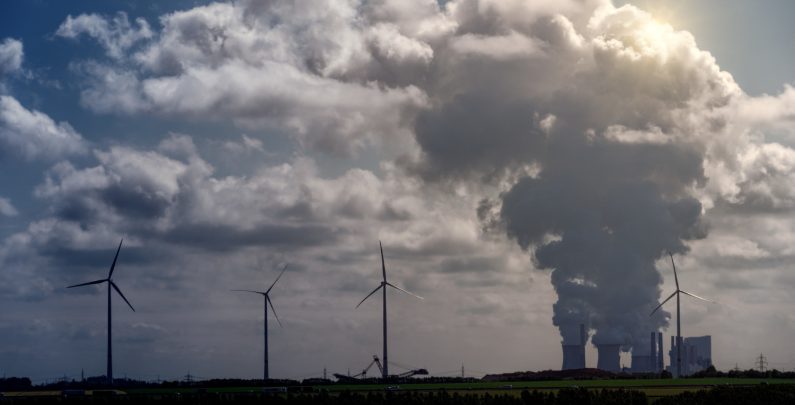
Energy Transition in Industrial Plants, challenges and opportunities
La transizione energetica è un tema cruciale per l’industria moderna, spinta dalla necessità di ridurre le emissioni di carbonio e migliorare l’efficienza energetica. Con normative europee sempre più stringenti, gli impianti industriali devono adottare strategie innovative per ridurre l’impatto ambientale e ottimizzare il consumo di risorse. In questo articolo esploreremo le principali sfide e opportunità legate alla transizione energetica nel settore industriale.
Le sfide della transizione energetica negli impianti industriali
1. Adeguamento alle Normative Europee
L’Unione Europea ha fissato obiettivi ambiziosi per la riduzione delle emissioni di CO2, con regolamenti come il Green Deal e il Fit for 55. Le aziende devono investire in soluzioni conformi alle nuove direttive, come l’adozione di tecnologie a basse emissioni e l’ottimizzazione dei processi produttivi.
2. Costi di Implementazione
L’adozione di tecnologie sostenibili richiede investimenti iniziali significativi. L’installazione di impianti fotovoltaici, l’efficientamento energetico dei macchinari e l’implementazione di sistemi di monitoraggio smart possono rappresentare una sfida economica, soprattutto per le PMI.
3. Integrazione con Sistemi Esistenti
Molti impianti industriali operano con tecnologie obsolete, rendendo complessa l’integrazione di nuove soluzioni energetiche. L’adozione di sistemi ibridi o la conversione verso fonti rinnovabili deve essere gestita in modo strategico per garantire continuità operativa.
The Opportunities of Energy Transition
1. Compliance with European Regulations
The European Union has set ambitious targets for CO2 reduction through frameworks like the Green Deal and Fit for 55. Companies must invest in solutions that comply with these directives, such as adopting low-emission technologies and optimizing production workflows.
2. Enhanced Efficiency and Productivity
Integrating digital solutions for consumption monitoring allows for precise control of energy usage. The application of IoT and Big Data helps identify optimization areas and eliminate systemic inefficiencies.
3. Access to Incentives and Funding
Numerous incentive programs exist at both national and European levels for companies investing in sustainable energy. Tools like White Certificates and various recovery funds provide essential financial support for green initiatives.
4. Competitive Advantage and Corporate Sustainability
Investing in the Energy Transition boosts market reputation, meeting the growing demand for sustainability from clients and investors. Sustainability is no longer just a legal obligation; it is a value proposition that drives long-term success.
Strategies for a Sustainable Future
The transition toward greener industrial plants is a complex but rewarding journey. With proper planning and the adoption of advanced technologies, companies can improve efficiency, slash costs, and position themselves as leaders in the global market. Investing today in innovative energy solutions means building a more resilient and competitive industrial future.
Contact us today to design your roadmap for industrial energy transition!
Recent Comments