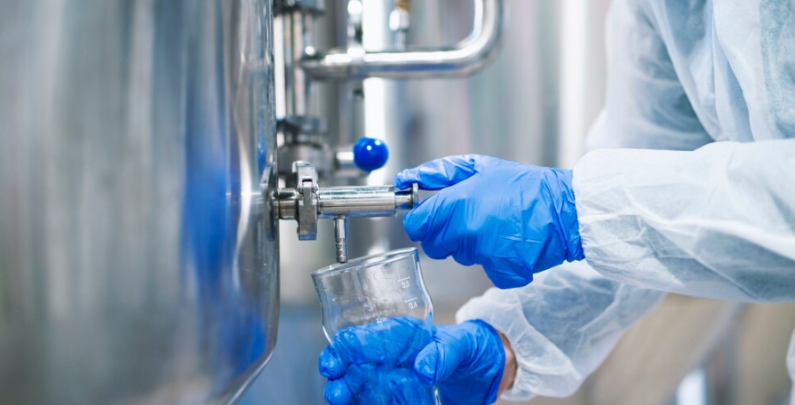
Industrial Water Treatment: High-Efficiency Oil & Gas Solutions

The energy sector faces a critical challenge: managing the massive volumes of water generated during extraction. Industrial Water Treatment has evolved from a simple regulatory necessity into a sophisticated engineering discipline. In the oil industry, produced water emerges as a complex byproduct containing hydrocarbons, salts, and heavy metals—contaminants that demand advanced purification to protect our ecosystems.

To ensure environmental compliance and operational efficiency, implementing a robust Industrial Water Treatment strategy is no longer optional. In this article, we explore the cutting-edge technologies that are redefining how the industry manages this vital resource.

Physical Separation: The First Line of Defense

The initial phase of Industrial Water Treatment involves physical separation. Gravitational separation utilizes density differences between water and oils, often through high-efficiency separators. This is complemented by mechanical separation, using specialized filters and settlers to remove suspended solids, ensuring the water is prepared for more intensive purification stages.

Trattamento delle acque nell'industria

Advanced Oxidation Processes (AOP)

When dealing with persistent organic pollutants, traditional methods fall short. Modern Industrial Water Treatment now frequently employs Advanced Oxidation Processes. By using UV light, ozone, or chemical reagents like chlorine dioxide, these systems accelerate the decomposition of toxic compounds, breaking them down into harmless substances at a molecular level.

High-Performance Membrane Technologies

Membrane systems are the “gold standard” for precision in Industrial Water Treatment. Technologies such as Reverse Osmosis (RO), nanofiltration, and ultrafiltration utilize semi-permeable barriers to isolate contaminants based on size and molecular charge. These systems are highly scalable and can be engineered to meet the strictest discharge or reuse standards.

Specialized Solvent Extraction and Biological Recovery

For specific hydrocarbon recovery, solvent extraction offers a targeted approach, though it requires precise chemical management. On the other end of the spectrum, biological treatment leverages the power of nature. By using bioreactors, we create controlled environments where microorganisms metabolize organic pollutants, offering a sustainable path for large-scale Industrial Water Treatment.

Engineering a Sustainable Future

Efficient Industrial Water is the cornerstone of responsible oil and gas production. By integrating technologies like membrane filtration and advanced oxidation, companies can transform a waste stream into a managed resource. At ST2, we believe that continuous innovation in water engineering is the only way to balance industrial growth with environmental stewardship.

Contact us today!

READ MORE
natural gas dehumidification

Natural Gas Dehumidification: The Crucial Role of Glycol

Natural gas is a valuable resource, playing a crucial role in fueling our economies and meeting global energy demands. However, before it can be used efficiently and safely, it often needs to have moisture and other contaminants removed, as these can damage transportation and utilization processes. Among the various techniques available for natural gas dehumidification, using glycol is one of the most common and effective.

The Dehumidification Process

Moisture in natural gas can cause several problems during its transport and use. These include hydrate formation, corrosion in pipelines and processing plants, and deterioration of combustion equipment performance. Therefore, it’s essential to remove moisture before natural gas enters the transmission network or is used for industrial or domestic purposes.

To discover our services, click here

One of the most common techniques for natural gas dehumidification is absorption with glycol. This process involves using a glycol solution, typically ethylene glycol or triethylene glycol, which is passed through the wet natural gas. Glycol has the ability to absorb moisture from the natural gas, thus yielding a final product with a low water content.

How the Process Works

natural gas dehumidification

The glycol dehumidification process occurs in several phases:

  • Glycol-Gas Contact: Wet natural gas passes through a contact tower, where it comes into contact with the glycol solution. During this contact, the glycol absorbs the moisture present in the natural gas, forming an aqueous solution.
  • Glycol-Water Separation: The aqueous solution formed from the glycol-gas contact is separated from the glycol. This can be done through physical separation processes, such as decantation or the use of membrane separators.
  • Glycol Regeneration: After separation, the water-saturated glycol is sent to a thermal regenerator, where it’s heated to vaporize the absorbed water. The regenerated, water-free glycol can then be reused in the dehumidification process.
  • Water Disposal: The water vaporized during glycol regeneration is typically treated to remove any contaminants and then disposed of appropriately, for example, through evaporation or wastewater treatment.

VAdvantages of Using Glycol
Using glycol for natural gas dehumidification offers several benefits:

  • Efficiency: The glycol dehumidification process is highly efficient at removing moisture from natural gas, resulting in a final product with very low water content.
  • Flexibility: Glycol technology can be adapted to meet a wide range of natural gas treatment requirements, from small production units to large transmission plants.
  • Reliability: Glycol dehumidification technologies are well-established and reliable, with a long history of success in the natural gas industry.
  • Risk Reduction: By removing moisture from natural gas, the glycol process helps reduce the risks of hydrate formation, corrosion, and other moisture-related problems.

In conclusion, using glycol for natural gas dehumidification is a widely used and reliable technique that yields a high-quality final product, free from moisture and ready for safe and efficient use. With the continuous development of new technologies and the optimization of existing processes, the role of glycol in natural gas dehumidification is expected to remain fundamental in ensuring the reliability and efficiency of natural gas production and transportation operations worldwide.

Blog

READ MORE