

System integration for optimal operational efficiency
In today’s industrial environment, where digitalisation and automation play a fundamental role, system integration is the cornerstone for achieving unprecedented operational efficiency. Connecting technologies, applications and processes within a single infrastructure allows information to be centralised and operational management to be improved, laying the foundations for a complete transformation.
What does integrating systems mean?
System integration consists of combining different platforms and technological solutions so that they can communicate and collaborate with each other. This approach breaks down barriers between different departments within a company, making processes more fluid and decisions faster and more informed. In practice, it creates a digital ecosystem where each component contributes to the harmonious functioning of the entire organisation.
Operational benefits and advantages
The adoption of integrated systems offers multiple benefits. First, it significantly reduces downtime, as data is shared in real time between the various operating units. Furthermore, the elimination of fragmented information facilitates more accurate resource management, with a direct impact on productivity and the quality of the final product. An integrated system thus becomes a strategic tool for maintaining a competitive advantage in the market.
Overcoming the challenges of integration
Integrating different technologies is not always an easy task, especially when it comes to combining legacy systems with modern solutions. Companies must deal with the complexity of compatibility and data security. However, by adopting targeted strategies and modular solutions, it is possible to achieve gradual and secure integration, minimising risks and enabling a smooth transition to an interconnected digital environment.
Key strategies for success
To successfully implement a systems integration, it is essential to follow a structured path:
- Analysis and Diagnosis: Evaluate existing processes to identify areas for improvement and technologies to be integrated.
- Strategic Planning: Define clear objectives and choose the solutions best suited to the specific needs of the company.
- Gradual Implementation: Proceed in stages, constantly monitoring results to ensure operational continuity and make any necessary adjustments.
- Continuous Monitoring: Use analysis tools to verify the effectiveness of the integration and adapt to market developments.
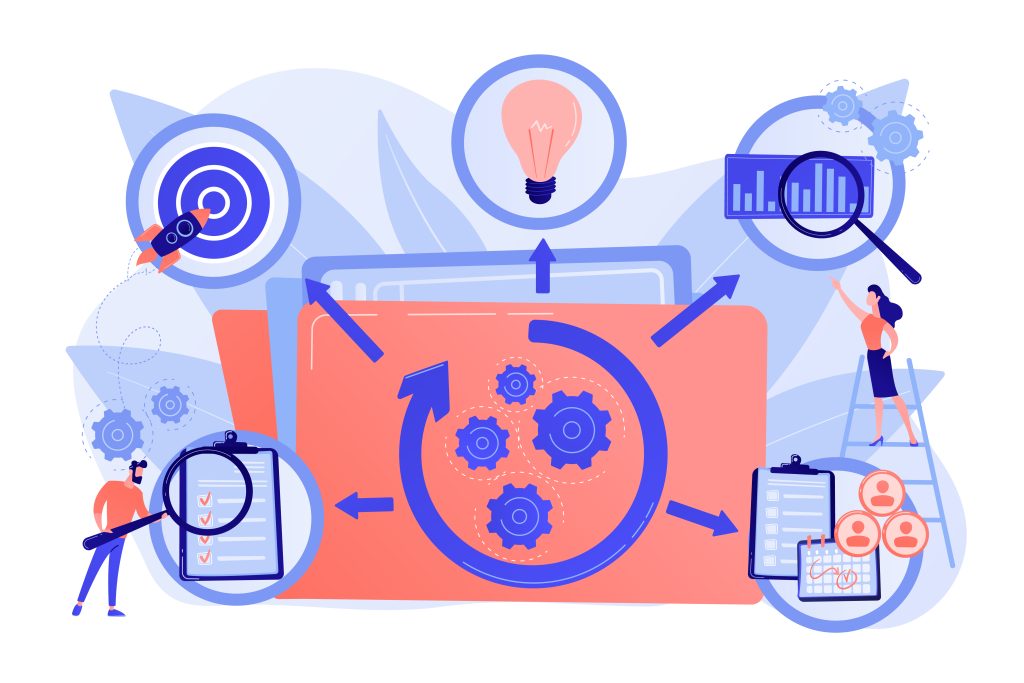
The Impact on Business Efficiency
When systems are effectively integrated, the entire company benefits from a more streamlined and responsive workflow. Centralising information reduces response times and optimises resource utilisation, contributing to greater competitiveness. In this scenario, each department works in synergy, transforming challenges into opportunities for growth and innovation.
System integration for an optimal strategy
System integration is an essential strategy for achieving optimal operational efficiency. Investing in integrated technological solutions and adopting a holistic approach allows you to overcome the complexities of digitalisation, creating a dynamic and resilient environment. For ST2 S.r.l., embracing integration means looking to the future with a clear vision: that of an increasingly innovative, efficient and competitive industry. Industrial integration is a strategic decision that must take into account a number of critical factors to ensure the success of the operation.
Reliability, compatibility, scalability, security, performance and support are just some of the aspects that should guide the choice of system. Only a careful assessment of these requirements will enable companies to make an investment that can optimise operations, reduce risks and improve competitiveness in the long term.
Recent Comments