
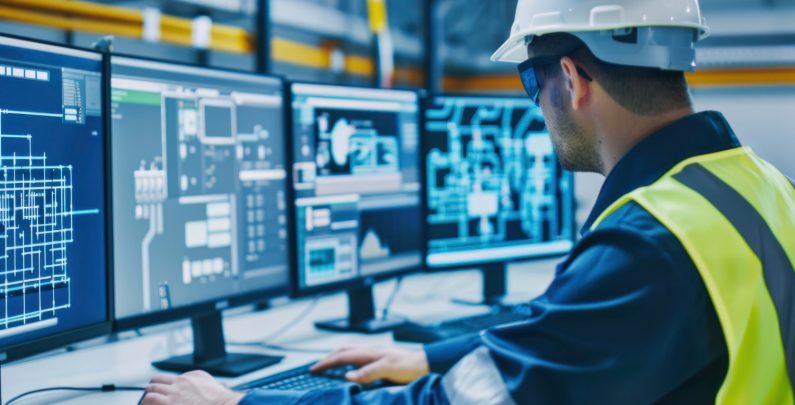
Digital twins and advanced simulations
In today’s industrial landscape, the ability to anticipate and resolve operational issues is essential to maintaining competitiveness and sustainability. Digital twin technology, combined with advanced simulations, is revolutionising plant design and management, offering innovative tools to improve operational efficiency, reduce costs and increase safety. This article explores these solutions in detail, illustrating the concrete benefits and real-world applications that are transforming the industry.
What are digital twins?
Digital twins are virtual replicas of physical systems, capable of simulating the behaviour of industrial plants in real time. These digital representations allow every aspect of the production process to be monitored, reproducing operating conditions and future scenarios. By integrating data from sensors and IoT systems, digital twins offer a comprehensive and dynamic view of the plant, serving as a predictive and analytical tool to identify potential anomalies before they occur.
Benefits of advanced simulations
The use of advanced simulations, supported by digital twins, allows different operating configurations to be tested without interrupting the actual operation of the plants. The main benefits include:
- Predictive Diagnostics: Real-time data analysis to identify imminent failures and schedule targeted interventions.
- Process Optimisation: Evaluation and improvement of operational flows to maximise productivity and reduce waste.
- Cost Reduction: Preventing unscheduled downtime and emergency maintenance leads to significant cost savings.
- Safety Improvement: Simulating critical scenarios helps implement preventive measures, ensuring safer working environments.
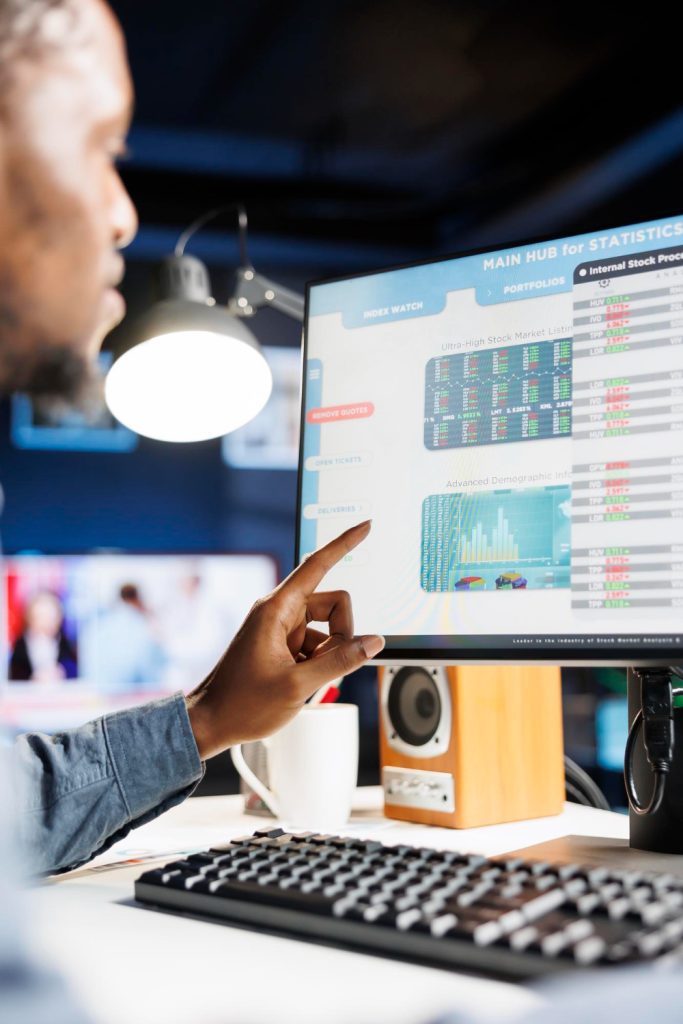
These technologies enable raw data to be transformed into strategic information, improving the quality of operational decisions.
Real-world applications and case studies
Several industrial sectors are already benefiting from the adoption of digital twins. For example, in large manufacturing industries, the implementation of advanced simulations has reduced machine downtime by 20% thanks to predictive maintenance based on accurate data. In the energy sector, simulations have helped to optimise resource distribution, ensuring more efficient and sustainable plant management. These case studies highlight how the integration of digital models and simulations not only improves operational performance but also becomes a strategic asset for the entire company.
Advanced innovation with digital twins
The innovation represented by digital twins and advanced simulations opens up new perspectives for the design and management of industrial plants. Thanks to these technologies, companies can operate more proactively, anticipating problems and optimising production processes. In an increasingly demanding market, investing in cutting-edge digital tools means preparing for the future, ensuring efficiency, safety and sustainability. ST2 S.r.l. confirms its leading role in this revolution, offering solutions that transform complexity into opportunities for growth and innovation.
Recent Comments