studio di fattibilità

Why a Feasibility Study Guarantees Efficient Plants

In the design of industrial plants, a rigorous Feasibility Study is not a formality: it is the foundation that determines the safety, efficiency, and sustainability of the entire project. In this article, we will explore the strategic role of preliminary studies, highlighting how defining core diagrams and layouts reduces costs, minimizes risks, and makes the design process more coherent and collaborative for all stakeholders involved.

To discover our services, click here

Definition of Principle Diagrams: The Logic of Operation

Principle diagrams (such as PFDs or P&IDs) are the first concrete representation of the plant: they show process flows, main components, measurement instruments, valves, and maintenance paths.

A well-conducted study allows for:

  • Analytical flow verification, avoiding fundamental design errors.
  • Estimation of dimensions, flow rates, and real pressures before final equipment selection.
  • Facilitating dialogue between technical teams and stakeholders, aligning expectations from the early stages.

An accurate principle diagram identifies potential issues—such as equipment incompatibility or path complexity—before they become expensive to fix.

Feasibility Study Layout: Designing Space Effectively

The preliminary layout translates the process logic into the physical reality of the plant. it focuses on the allocation of machinery, piping, access points, and safety zones.

  • Optimization of Maintenance Paths: Reduces downtime by ensuring easy access for inspections.
  • Manageability: Ensures that operational activities can be carried out without interference.
  • Constraint Consideration: Account for height, component footprint, and accessibility to avoid unrealistic designs.

A layout that is coherent with the principle diagram avoids lengthy readjustments and delays, reducing the risk of modifications during the construction phase and their associated costs.

Reduction of Risks and Design Inconsistencies

A detailed Feasibility Study report, featuring shared diagrams and layouts, leads to a significant reduction in risks:

AspectKey Benefit
System IncompatibilityEliminated during the preliminary phase
Technical ErrorsAvoided through multidisciplinary cross-checks
Operational DelaysLimited thanks to a pre-validated coherent project

Validation by the technical office, the client, and site supervision significantly lowers the risk of bottlenecks, rework, and disputes.

studio di fattibilità

Optimization of Costs and Timelines

  • Fewer Reworks: Defining the system and layout correctly the first time eliminates subsequent revisions.
  • Accurate Component Selection: Prevents unnecessary expenses and over-specification.
  • Timeline Compliance: Starting assembly from validated layouts reduces delays and labor costs.

Stakeholder Engagement and Collaboration

An accurate study promotes:

  • Project Reusability: Validated layouts and diagrams can serve as replicable models for future installations.
  • Shared Decision-Making: Clients and specialized departments (mechanical, electrical, safety) participate actively.
  • Clear Responsibilities: Defined roles prevent overlaps and uncertainty.

Conclusion: An Investment in Excellence

A well-conducted Feasibility Study, with clear principle diagrams and optimized layouts, is the bedrock for building efficient, safe, and sustainable industrial plants. It cuts errors, time, and costs while improving team collaboration.

If you want to guarantee efficiency, quality, and deadline compliance in your next project, a feasibility study is not an option—it is a strategic investment.

Contact ST2 Srl today for professional support from the very start of your project!

READ MORE
sistemi di controllo

Designing Modern Control Systems, integration for Industry 4.0

In the era of Industry 4.0, the design of industrial control systems requires an approach that integrates precision, safety, and interoperability. Companies operating in critical sectors such as Oil & Gas, Energy, and Water Treatment need advanced solutions to ensure operational efficiency and regulatory compliance.

segui il nostro blog!

Precision in Control Systems: The Heart of Automation

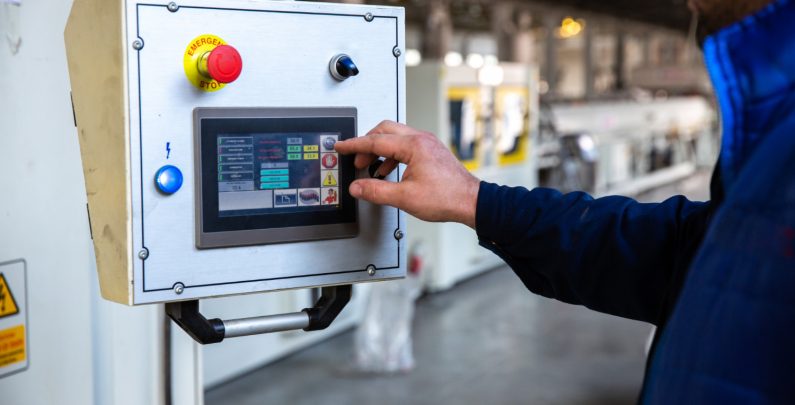
Modern Wellhead Control Panels (WHCP) are designed to monitor and manage critical valves, including SCSSV, Master, Wing, Choke, ESD, and HIPPS. Their ability to operate in extreme conditions—handling pressures up to 1,379 bar (20,000 PSI) and fluctuating temperatures—makes them indispensable for maintaining the safety and operational efficiency of high-pressure facilities.

Functional Safety to Protect People and Assets

Safety in Modern Control Systems is not just a matter of compliance; it is an operational imperative. Standards such as ISO 13849 and IEC 61508 provide the framework for designing and validating safety functions. Implementing systems with the appropriate Safety Integrity Levels (SIL) significantly reduces the risk of dangerous failures, protecting both personnel and infrastructure.

Integration and Interoperability: Toward a Connected Industry

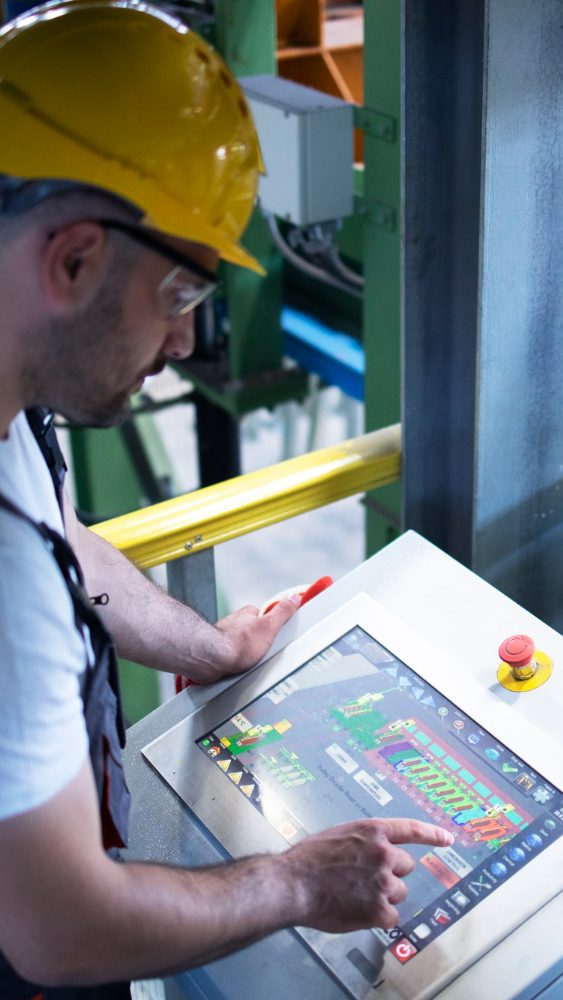
The ability to integrate diverse systems and devices is essential for efficient plant management. Platforms like Ignition SCADA offer flexible solutions for supervision and control, supporting a wide range of communication protocols and facilitating real-time data access across the entire enterprise.

sistemi di controllo

Tailor-Made Control Systems for Every Need

Real-world applications demonstrate the effectiveness of integrated solutions. For instance, incorporating WHCPs into offshore platforms allows for precise control of safety valves even in the harshest environments. Similarly, adopting advanced SCADA systems in water treatment plants improves resource management and the speed of response to critical events.

Conclusion: Precision, Safety, and Integration

Designing Modern Control Systems requires a delicate balance between technical precision, functional safety, and system integration. By adopting advanced technologies and international standards, companies can meet the challenges of contemporary industry, enhancing operational efficiency while ensuring maximum safety.

Contact ST2 Srl today for more information on implementing advanced control solutions in your facilities!

READ MORE

Technological innovations for industry: what to expect?

In today’s industrial landscape, technological innovations are the driving force behind transformation and progress. At ST2 S.r.l., we firmly believe that the integration of cutting-edge technologies is essential for making production processes more efficient, safer and more competitive. In this article, we explore emerging trends and what companies can expect in the near future.

follow the blog!

A new scenario for the industrial sector

The world of industry is constantly evolving. Digital technologies are redefining operating standards, creating an environment in which automation, artificial intelligence and real-time monitoring intertwine to offer innovative solutions. On the one hand, the adoption of IoT systems and predictive algorithms is transforming the way plants are managed; on the other, advanced robotics and digitalisation platforms are enabling greater flexibility and resilience. These innovations are paving the way for new business models and revolutionary operational strategies.

Key technologies and cutting-edge solutions

Technological innovations for industry are not just a trend, but a real necessity for those who want to remain competitive. Among the most relevant solutions, we highlight:

  • Internet of Things (IoT): Smart tools and sensors for continuous monitoring and data collection, essential for optimal plant management.
  • Artificial Intelligence (AI): Predictive analysis systems that anticipate anomalies and failures, enabling timely intervention.
  • Advanced Robotics: Automation of production processes through collaborative robots that improve efficiency and reduce downtime.
  • Process Digitalisation: Integration of cloud platforms and data-driven solutions that optimise operations and facilitate strategic decisions.

These technologies, applied synergistically, transform industrial production and create a competitive advantage in the global market.

Impact and benefits for businesses

Technological innovations are revolutionising not only production processes, but also the way companies prepare for the future. The adoption of new technologies brings with it multiple benefits, such as:

  • Operational Efficiency: Automation reduces errors, lowers costs and increases overall productivity.
  • Sustainability: Innovative technologies enable more responsible resource management, contributing to sustainability goals and reducing environmental impact.
  • Competitiveness: Investing in digital solutions allows companies to adapt quickly to market developments and consolidate their position.

This integrated approach promotes a profound transformation which, if well planned, can lead to tangible and lasting results.

Investing in the future, our vision

Looking ahead, we believe that investment in technological innovation must be at the heart of corporate strategy. At ST2 S.r.l., we are committed to supporting businesses on their journey towards complete digitalisation, offering personalised consulting and tailor-made solutions. Continuous training and constant updating are fundamental pillars for facing future challenges and ensuring a smooth transition to increasingly automated processes.

Technological innovations for a growing future

Technological innovations for industry are the key to a future full of opportunities and growth. By adopting targeted strategies and investing in cutting-edge technologies, companies can turn challenges into competitive advantages. ST2 S.r.l. supports its customers in this transformation process, convinced that the synergy between innovation and tradition is the secret to successfully facing the industrial future. It can optimise operations, reduce risks and improve competitiveness in the long term.

READ MORE

Industrial automation 2025: targets for a year of growth

2025 is shaping up to be a crucial year for the industrial sector, where automation will be key to unlocking new growth potential. In a context of rapid technological evolution, companies are being called upon to rethink their processes, investing in innovative solutions to remain competitive and optimise operations.

follow the blog!

Strategic investments in industrial automation for 2025

To meet the challenges of 2025, it is essential to plan targeted investments in key technologies. IoT solutions enable the installation of smart sensors and real-time monitoring systems, which are essential for collecting valuable data. Artificial intelligence, through advanced algorithms, supports predictive analytics and informed decisions, while robotics and process automation, thanks to collaborative robots and automated systems, help increase productivity. These investments dramatically reduce downtime, increase operational accuracy and optimise the use of company resources.

Optimisation of production processes

Adopting a data-driven approach is essential for transforming production processes. By carefully analysing operational flows, companies can identify and overcome bottlenecks, improve the quality of the final product and make the production environment more agile and responsive. This combination of technology and analysis promotes continuous innovation and delivers tangible results in terms of efficiency and competitiveness.

Technological integration and training

Integrating new technologies with existing infrastructure requires ongoing training. Investing in specialist training means preparing staff to use new digital solutions effectively, promoting a corporate culture focused on innovation. This training programme is crucial to ensuring a smooth and sustainable transition to automated processes, combining the potential of technology with the expertise of human capital.

Industrial automation for growth in 2025

Industrial automation is not only a response to current challenges, but also the foundation on which to build a year of growth and development in 2025. Planning targeted investments and optimising production processes are essential steps in transforming challenges into concrete opportunities. With a clear strategy and the adoption of the most advanced technologies, companies will be able to consolidate their position in the global market, preparing for an increasingly competitive and innovative future. Industrial plants are a strategic decision that must consider a number of critical factors to ensure the success of the operation.

Reliability, compatibility, scalability, security, performance and support are just some of the aspects that should guide the choice of system. Only a careful assessment of these requirements will enable companies to make an investment that can optimise operations, reduce risks and improve competitiveness in the long term.

READ MORE

How the IoT is changing plant management

The Internet of Things (IoT) is revolutionising the industrial sector, offering advanced solutions for predictive maintenance. Thanks to smart sensors, real-time data analysis and artificial intelligence, industrial plants can proactively monitor their equipment, preventing breakdowns and reducing operating costs. In this article, we will explore the challenges and opportunities associated with IoT-based predictive maintenance.

follow the blog!

What is predictive maintenance?

Unlike corrective maintenance, which only intervenes after a failure, and preventive maintenance, which is based on periodic checks, predictive maintenance uses data collected in real time by sensors to identify anomalies and predict malfunctions before they occur. The goal is to minimise downtime and optimise the use of resources.

The role of IoT in predictive maintenance

The Internet of Things plays a key role in predictive maintenance, enabling the continuous collection and analysis of data from plants. Through advanced sensors, cloud connectivity and artificial intelligence algorithms, companies can obtain detailed information on the status of machinery and intervene before a failure occurs.

1. Smart Sensors for Real-Time Monitoring

IoT sensors installed on equipment detect parameters such as temperature, vibrations, pressure and energy consumption. Any abnormal variation in these values may indicate an imminent problem, allowing targeted interventions to be planned before the fault becomes critical.

2. Data Analysis and Machine Learning

Data analysis technologies enable large amounts of raw information to be transformed into useful predictions. Machine learning algorithms analyse operating patterns and identify anomalies, providing a predictive view of the status of industrial equipment.

3. Cloud Connection and Remote Access

Thanks to cloud integration, the data collected can be analysed in real time and accessed from any connected device. This allows technicians to monitor the efficiency of the systems even remotely, reducing the need for frequent physical inspections.

Benefits of predictive maintenance

Reduced Maintenance Costs

One of the main benefits of IoT in predictive maintenance is cost savings. Preventing breakdowns means avoiding high repair costs and minimising downtime, which has a positive impact on business productivity.

Greater Plant Reliability

Constantly monitoring the operating conditions of equipment improves plant reliability. More efficient maintenance management translates into fewer unexpected events and improved workplace safety.

Energy Efficiency and Sustainability

Optimising maintenance processes not only reduces operating costs but also contributes to environmental sustainability. A well-maintained plant consumes less energy and generates less waste, aligning itself with the ecological transition objectives required by European regulations.

Implement a predictive maintenance system

Adopting a predictive maintenance system requires a strategic approach and targeted investments. Companies need to equip themselves with IoT sensors, data analysis platforms and advanced management systems to fully exploit the benefits of this technology. Collaborating with industry experts and adopting a gradual strategy allows for optimised integration without impacting daily operations.

IoT for industrial plant management

Predictive maintenance, enabled by the IoT, represents a revolution in industrial plant management. Real-time monitoring, predictive analysis and resource optimisation enable companies to reduce costs, improve efficiency and ensure greater plant reliability. Investing in these technologies today means building a smarter, more sustainable and efficient industrial future.

READ MORE

Energy Transition in Industrial Plants, challenges and opportunities

La transizione energetica è un tema cruciale per l’industria moderna, spinta dalla necessità di ridurre le emissioni di carbonio e migliorare l’efficienza energetica. Con normative europee sempre più stringenti, gli impianti industriali devono adottare strategie innovative per ridurre l’impatto ambientale e ottimizzare il consumo di risorse. In questo articolo esploreremo le principali sfide e opportunità legate alla transizione energetica nel settore industriale.

segui il nostro blog!

Le sfide della transizione energetica negli impianti industriali

1. Adeguamento alle Normative Europee

L’Unione Europea ha fissato obiettivi ambiziosi per la riduzione delle emissioni di CO2, con regolamenti come il Green Deal e il Fit for 55. Le aziende devono investire in soluzioni conformi alle nuove direttive, come l’adozione di tecnologie a basse emissioni e l’ottimizzazione dei processi produttivi.

2. Costi di Implementazione

L’adozione di tecnologie sostenibili richiede investimenti iniziali significativi. L’installazione di impianti fotovoltaici, l’efficientamento energetico dei macchinari e l’implementazione di sistemi di monitoraggio smart possono rappresentare una sfida economica, soprattutto per le PMI.

3. Integrazione con Sistemi Esistenti

Molti impianti industriali operano con tecnologie obsolete, rendendo complessa l’integrazione di nuove soluzioni energetiche. L’adozione di sistemi ibridi o la conversione verso fonti rinnovabili deve essere gestita in modo strategico per garantire continuità operativa.

The Opportunities of Energy Transition

1. Compliance with European Regulations

The European Union has set ambitious targets for CO2 reduction through frameworks like the Green Deal and Fit for 55. Companies must invest in solutions that comply with these directives, such as adopting low-emission technologies and optimizing production workflows.

2. Enhanced Efficiency and Productivity

Integrating digital solutions for consumption monitoring allows for precise control of energy usage. The application of IoT and Big Data helps identify optimization areas and eliminate systemic inefficiencies.

3. Access to Incentives and Funding

Numerous incentive programs exist at both national and European levels for companies investing in sustainable energy. Tools like White Certificates and various recovery funds provide essential financial support for green initiatives.

4. Competitive Advantage and Corporate Sustainability

Investing in the Energy Transition boosts market reputation, meeting the growing demand for sustainability from clients and investors. Sustainability is no longer just a legal obligation; it is a value proposition that drives long-term success.

Strategies for a Sustainable Future

The transition toward greener industrial plants is a complex but rewarding journey. With proper planning and the adoption of advanced technologies, companies can improve efficiency, slash costs, and position themselves as leaders in the global market. Investing today in innovative energy solutions means building a more resilient and competitive industrial future.

Contact us today to design your roadmap for industrial energy transition!

READ MORE

Excellence in Industrial Automation: Driving the Future of Production

Industrial Automation is one of the primary forces behind the technological evolution and production efficiency of modern industry. In an increasingly globalized and competitive world, excellence in automation is no longer an option but a necessity for companies aiming to remain competitive, reduce costs, and enhance product quality. This sector—which encompasses advanced technologies like robotics, Artificial Intelligence (AI), the Internet of Things (IoT), and Big Data—is redefining the boundaries of production and corporate management.

The Role of Automation in Industrial Competitiveness

In today’s industrial landscape, automation is the engine fueling competitiveness. The ability to automate production processes allows companies to gain significant advantages in speed, quality, and cost-efficiency. Automated systems can operate 24/7 without interruption, reducing the risk of human error and ensuring constant precision.

Beyond simple repetitive tasks, Industrial Automation involves the intelligent management of workflows, coordination between production lines, and resource optimization. In a context of shorter production cycles and tighter margins, automation excellence is the key to maintaining high quality while lowering operational costs.

Core Technologies of Excellence

Achieving excellence in Industrial Automation requires the integration of advanced technologies that improve efficiency, safety, and sustainability:

  • Industrial Robotics: From welding and painting to assembly and quality control. Collaborative robots (cobots) work alongside humans, increasing efficiency without compromising safety.
  • Internet of Things (IoT): Real-time connection of devices and sensors allows for continuous monitoring and the detection of anomalies before they become critical issues. This is the foundation of predictive maintenance.
  • Artificial Intelligence (AI) and Machine Learning: These solutions optimize production through predictive analysis. Intelligent systems can analyze data to optimize operation sequences and reduce downtime.
  • Big Data Analytics: The vast amount of data generated by smart machines enables more informed decision-making and waste reduction.
Automazioni Industriali

Sustainability through Automation

Industrial Automation is also a powerful tool for environmental sustainability. It allows companies to reduce resource consumption and optimize energy use. Through intelligent energy management, companies can monitor consumption in real-time and implement efficiency strategies, such as auto-adjusting processes based on demand. Furthermore, automation promotes the production of higher-quality, more durable goods, contributing to a reduction in industrial waste cycles.

The Challenge of Training and Organizational Adaptation

To reach peak excellence, implementing technology isn’t enough; companies must invest in people. Digital skills and innovation must become integral to employee training, with a focus on managing automated systems. Automation also requires a rethink of organizational models to maintain a balance between technological innovation and the value of human capital.

New Frontiers: The Smart Factory

The future of Industrial Automation points toward the “Smart Factory,” where every machine, sensor, and device is interconnected. Technologies like 5G and cloud platforms will enable even more flexible production environments, capable of adapting in real-time to demand fluctuations or unforeseen events.

The result of integrating advanced technology

Excellence in Industrial Automation is the result of integrating advanced technology, continuous training, and a long-term vision centered on quality and sustainability. Companies that invest in automation with an innovative mindset will lead the future of the industrial sector, transforming efficiency into a true competitive engine.

Contact us today to achieve excellence in your production processes!

READ MORE
Tabulazione delle offerte

Bid Tabulation for E&I Procurement, a technical guide

A critical step in the procurement process for E&I (Electrical and Instrumentation) equipment is Bid Tabulation. This indispensable operation ensures that the necessary materials and devices are selected with the perfect balance of quality, reliability, and price. Let’s examine in detail what technical bid tabulation entails and how it fits into the procurement cycle for E&I equipment.

What is Bid Tabulation?

Bid Tabulation is the systematic process of analyzing and comparing various proposals received from suppliers following a tender or a Request for Quotation (RFQ). It is a delicate and complex phase where it is necessary to evaluate not only the price but also fundamental technical aspects, such as material quality, compliance with specifications, and lead times.

During tabulation, data from different proposals are entered into a comparison document. This allows for a rapid and effective evaluation, with the goal of identifying the proposal that best satisfies technical, economic, and scheduling requirements.

The Importance of Bid Tabulation for E&I Equipment

In the context of E&I equipment—which includes electronic devices, automation systems, sensors, and measuring instruments—precision in supplier selection is paramount. These components are essential for the safety, efficiency, and reliability of an industrial plant.

Therefore, Bid Tabulation for these materials must consider multiple parameters:

  • Technical Compliance and Reliability: Equipment must meet regulatory standards and specific technical datasheets to ensure safe, continuous operation.
  • Material Quality and Durability: To prevent failures, components must be of high quality and capable of operating under the specific conditions of the plant.
  • Delivery Times: Industrial projects often have tight installation schedules; punctuality is essential to avoid operational delays.

The Phases of Bid Tabulation

  • Receipt of Bids: Proposals are collected after the RFQ is issued.
  • Technical Analysis (TBE): Bids are evaluated technically to verify compliance with plant standards. This is often referred to as a Technical Bid Evaluation.
  • Price Comparison (CBE): A Commercial Bid Evaluation follows, considering not just the lowest price but overall value.
  • Creation of the Comparative Table: Entering technical and economic data into a matrix to highlight the pros and cons of each bidder.
  • Overall Evaluation: Selecting the bid that represents the best compromise between quality, cost, and delivery.

Assistance in E&I Procurement

Beyond Bid Tabulation, technical assistance during procurement is key:

tabulazione delle offerte
  • Supplier Selection Support: Identifying qualified vendors with a proven track record in the E&I sector.
  • Regulatory Compliance Verification: Ensuring devices meet international certification standards (e.g., ATEX, SIL, IEC).
  • Quality Control: Monitoring production to ensure the materials supplied match the agreed-upon technical specifications.

Technical and commercial Bid Tabulation is a crucial process in E&I procurement. It ensures that materials meet quality, safety, and economic requirements. Expert procurement assistance helps minimize risks associated with supplier selection errors, ensuring the long-term sustainability and correct functioning of the industrial plant.

Contact us today to optimize your E&I procurement and bid evaluation processes!

READ MORE
Supervisione del montaggio

Assembly Supervision, a key Role in the Success of Assembly Operations

The supervision of assembly activities, whether at a company’s facility or at a client’s site, is a crucial aspect of ensuring that the process is executed efficiently, safely, and in compliance with the required standards. In an industrial context where precision and coordination are paramount, Assembly Supervision acts as the foundation for the success of any complex project.

Objectives of Assembly Supervision

Effective Assembly Supervision aims to achieve multiple strategic goals:

  • Quality Control: Ensuring every component is assembled according to technical specifications, eliminating errors that could compromise the product’s integrity.
  • Safety: Overseeing that all operations strictly adhere to workplace safety regulations.
  • Process Optimization: Identifying inefficiencies in real-time and implementing solutions to improve workflow and reduce downtime.
  • Team Coordination: Managing human and material resources optimally to maintain project momentum.

Phases of the Supervision Process

1. Initial Planning

Supervision begins during the planning phase. The supervisor analyzes projects and technical specs to define the assembly plan, detailing the sequence of activities and resource allocation.

2. Resource Verification

Before operations start, the supervisor ensures that materials, equipment, and qualified personnel are ready. Coordination with warehouse management is essential to prevent delays.

3. On-site Assembly Supervision

Once assembly begins, active oversight is critical. The supervisor monitors the correct execution of each phase, utilizing technical expertise to solve unforeseen issues or criticalities in real-time.

4. Quality Control and Testing

Intermediate quality checks, including functional tests and visual inspections, are conducted throughout the process to verify that the work aligns with the project’s original design.

5. Safety Management

Workplace safety is a top priority. The supervisor monitors compliance with safety procedures, ensuring all workers are equipped with the necessary Personal Protective Equipment (PPE).

6. Final Report and Feedback

Upon completion, the supervisor drafts a report documenting the process, solutions adopted, and a final evaluation. This feedback loop is vital for continuous improvement and client satisfaction.The Importance of Communication

A fundamental aspect of Assembly Supervision is maintaining continuous communication between the assembly team, management, and the client. The supervisor acts as a bridge, ensuring information flows correctly and client requests are implemented without causing delays.

Engineering Excellence

Assembly Supervision is a strategic role that ensures work is performed to the highest standards while improving overall efficiency. In a constantly evolving market, ST2 S.r.l. continues to stand out as a benchmark for certified quality, providing clients with the peace of mind that comes from working with products and processes that are second to none.

Contact us today to ensure the success of your next assembly project!

READ MORE
Testa di pozzo

Wellhead Systems, an examination of different Types

The extraction of hydrocarbons, a cornerstone of the oil and gas industry, involves complex processes requiring highly specialized equipment. Among these, Wellhead Systems play a crucial role, providing the structural and pressure-containing interface for drilling and production equipment. They are essential for controlling the flow of fluids from the reservoir to the surface. Let’s examine the primary types used in the sector.

Surface Wellheads

Surface Wellheads
Surface wellheads are located at the top of the well on land or on a platform. They are responsible for the initial flow control of hydrocarbons. These systems must be robust and capable of withstanding extreme environmental conditions. They typically include a series of valves and adapters (the “Christmas Tree”) to prevent accidents during drilling and production.

teste di pozzo

Subsea Wellheads

Installed on the seabed, subsea wellheads are connected to underwater wells through flexible or rigid flowlines. These must be engineered to resist immense water pressure and marine currents. They often feature sophisticated remote control systems (subsea control modules) that allow monitoring and operation from a surface vessel or platform.

Production Wellheads

Used during the active extraction phase, production wellheads manage the flow of oil, gas, and water. They direct these fluids toward treatment and storage systems. These systems are designed to handle high production rates and incorporate choke valves to optimize and regulate the flow according to reservoir pressure.

Workover Wellheads

Workover (or “intervention”) wellheads are employed during maintenance or well stimulation operations, such as directional drilling, well cleaning, or installing auxiliary equipment. They are designed for flexibility and adaptability, often equipped with locking devices to ensure maximum safety during maintenance tasks.

Engineering Operational Safety

In conclusion, Wellhead Systems are vital to the hydrocarbon industry, ensuring the safe management of fluid flow from the subsurface to the surface. Proper design, selection, and maintenance of this equipment are fundamental to operational efficiency and environmental safety in oil and gas activities.

Contact us today to learn more about our engineering solutions for well control!

READ MORE